| OCR Text |
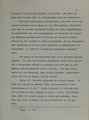
Show 34 those who stand halfway between the living and the dead.13 The ancient law that "as a man hath wrought, so must he sufferfi was not limited to this world; hence, the belief that both murderer and murdered were punished alike. When it comes to tyrants, however, the Greeks made an exception. In the republican city-states the tyrant was a usurper, and it was considered just as honorable for a citizen to risk his life trying to remove a domestic usurper as it was to die repeling an invader. Before eXploring this theme further, it should be exPlained that tyrannies existed in just about all periods of Greek history, but the time referred to by historians as "the age of tyrants" in Greece was between 650 and 510, beginning with the accession of Cypselus of Corinth and ending with the eXpulsion of the sons of Peisistratus from Athens. It was then that tyrannies were most prevalo ent, marking as they did a transition period when an old order, classical democracy, monarchy, was breaking down but a new one, was just not established. In Green terms, ruler but an autocrat, strong executive. a tyrant was not necessarily a wicked generally a usurper, who provided a He obtained sole power in the state and held.it in defiance.of any previous constitution. The Greek 13Modern Greek Folklore and Ancient Greek Religion (New York: p. 434-35. University Books, 1964), by John Guthbert Lawson, |