| OCR Text |
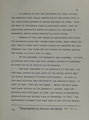
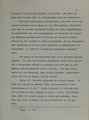
Show 155 political circumstances of the dictator0s removal, the decision to kill must come from a deep personal conviction that such an act was not only morally right but also inevitable. Finally, he argued, an assassination which was not accompanied by a putsch replacing the Third Reich with a better government, would be useless. Beyond Bonhoefferrs notion of divine forgiveness, there was in German tradition before the advent of Hitler other means of protecting political murderers. One was the laws of amnesty such as those of 1928 in which death sentences and life imprisonment imposed for crimes against life were reduced to prison terms of only seven and a half years. Another was the theory of ubergesetzlicher Notstand (supra~ legal necessity) by which the High Tribunal, although conu damning political murders in general, acknowledged "extras ordinarily difficult situationsu in which political murder was legalized when it was done "out of love for the Fathern land" and was the "only" way to defend the interests of the state.12 Such "protections," however, were no safeguards for the Kreisau Circle or for the Beck-Goerdler-Hassell group. On July 20, 1944, Colonel Claus Schenk Stauffenberg, chief of staff to the commander of the Reserve Army and the develoPer of Tresckowas Valkyrie plan, walked into Hitlervs 12Jaszi and Lewis, op. cit., pp. 160-61. |