| OCR Text |
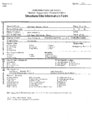
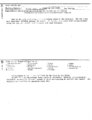
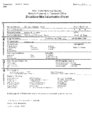
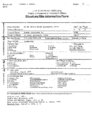
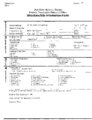
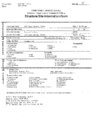
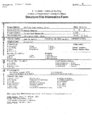
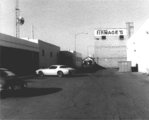
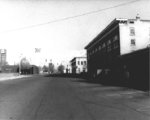
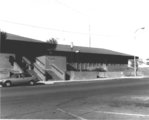
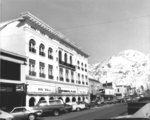
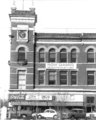
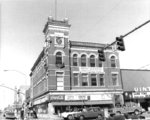
Show UJ c ^ Architect/Builder: j. B. Ashton Building Materials: brick Building Type/Style: Description of physical appearance & significant architectural features: ' (Include additions, alterations, ancillary structures, and landscaping if applicable) t X o < K >; O ' . • This large multi-leveled theatre remains essentially the same-although it £s no longer used for live stage productions, therefore the upper levels are used for storage. The front facade has been reworked--concrete plates cover the row of six windows and eliminate the curviliniar cornice. Statement of Historical Significance: D D n D J8 Aboriginal Americans Agriculture Architecture TheAns Commerce P D D D 'D Communication Conservation Education Exploration/Settlement Industry O D D D D Military Mining Minority Groups Political Recreation D D O b Religion Science Socio-Humanitarian Transportation In 1914 John B. Ashton built the Columbia Theatre to "cater exclusively to the upper class of productions." It was built at a time when the porov Opera House which had been built in 1883-1888 was declining in use. The Opera House was closed about 1916, used as an armory for a few years and torn down in the 1950s. Many productions were held in the Columbia Theatre. Emma Lucy Gates brought her Grand Opera Company there in May, 1916, and several times after. The building was remodeled about 1927 when it changed names to the Paramount. |