| OCR Text |
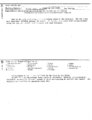
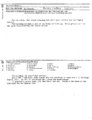
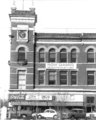
Show Form No 10-300a (Hev 10-74) UNITED STATES DEPARTMENT OF THI-; INTHRIOR FOB NFS US€ OfltLY NATIONAL PARK SERVICE NATIONAL REGISTER OF HISTORIC PLACES INVENTORY - NOMINATION FORM CONT! NUATION SHEET ITEM NUMBER MAY") DATE ENTERED 8 PAGE 5 Charles E. Loose used his Tintic-made fortune to buy up much of Provo's commercial property. The Loose Block, though fairly modest, remains as part of that legacy. Jesse Knight who attempted to establish "clean" mining towns built one of the most impressive of Provo's buildings - the Knight Block on east center where the East Co-Op had stood in the Mormon tithing yard. He became the symbol and the power of Provo's east-side in the way Thomas N. Taylor became that for the west side. In 1883, construction began on a new LDS Tabernacle on the same block as the older one, a massive structure of brick and stone. Though the structure was not ocmpleted until 1896, its beginnings were part of a new building boom. In 1888, the Provo Enquirer ran headlines that read, "Boom, Boom, Boom."15 Entrepreneurs and real estate investors from the East and the West came to 1 Provo and began paying exorbitant prices for real estate. The Provo Chamber I of Commerce which had been organized the year before to stimulate the growth in the community, published a 50-page pamphlet describing the "Garden City" of Utah.16 In 1889, the Rocky Mountain Bell Telephone Company secured a twenty-year franchise and eventually built a building on the east side. The North American Asphalt Company began paving sidewalks, North and University Avenue (then called Academy Avenue). The Provo Lake Resort was established on Utah Lake. The "Boom" did not last long, however. During the winter of 1891-92, only a few of the 16 new real estate dealers renewed their licenses.17 The national panic of 1893 further aggravated the situation. Many businesses failed including Samuel S. Jones. There were those able to rise out of the panic. One was George Startup who began his candy business in 1895. By 1897, the business had grown so much that he and his brother Walter built a little factory on 3rd West which still remains. The large factory built in 1900 on the south side is on the National Register of Historic Places. Candy-making was a popular business in Provo at the turn of the century, with enterprises so numerous, Provo could have been called the "Candy City", a situation made possible by the large sugar beet industry in the area. The turn of the century saw a continuation of the West-East side controversy, a culmination in the 1905-11 fight over the location of the railroad depot and the conclusion in favor of the east side as more businesses continued to locate there and north along University Avenue. The prominence of this section of town was even more emphasized by the building of the public library (1907, since greatly remodeled), the Provo Post |