| OCR Text |
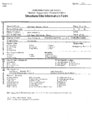
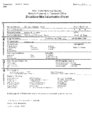
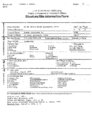
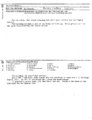
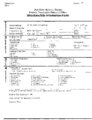
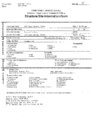
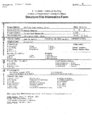
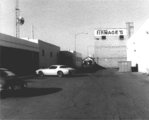
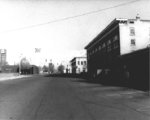
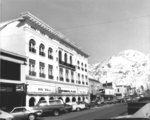
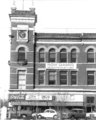
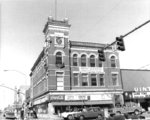
Show u.CC Architect/Builder: Building Materials: brick______ Building Type/Style: Commercial ___________ ---------- .... - --.- . .- ----. - ~--,--i ,- - -._-'....•- ....... Description of physical appearance & significant architectural features: (Include additions, alterations, ancillary structures, and landscaping if applicable) The upper facade remains essentially intact-brick piers, bracketted cornice, three segmented windows -but has been paintede The date ornament still remains at the top« The lower facade is highly altered with concrete and wood. The metal canopy which jutted out from the front of the building- to the street-* has long since been removed. jGj' >: O £5 55 Statement of Historical Significance: D a D D ft Aboriginal Americans Agriculture Architecture TfteArts Commerce O O D D O Communication Conservation Education Exploration/Settlement Industry D D D D D Military Mining Minority Groups Political Recreation D D D D Religion Science Socio-Bumanitarian Transportation ' This was built during, the 1390*building boom along this block. The 1890 Sanborn map indicates this building as a grocery. However, it was occupied by the Skelton.Company, stationers. Robert Skelton Jrl had come from Tooele; later started a printing company (61 N Academy). By the turn of"the century the building , by OlivetW. Bailey^ who had been a bartender at Henry Harrison f s (60 West Center^ and David J. Vincent* and turned into the Eureka Saloon-one of Provo's finest. In 1875 the Provo City Council had passed an ordinance to prohibit the sale of liquor 9 however, this and other such ordinances were repealed. In 1891 the Enquirer reported there were eleven saloons in Provo and two drug stores licensed to sell liquor. The efforts to prohibit the sale of liquor continued, however, and by the early 1910s most of the saloons had been closed or gone out of .business. In 1916 the Provo Ppsj: declared, "Utah County has long been one of the 'dry 1 counties of Utah." Within just a few years of its opening the Bailey^Vincent saloon building was taken over by the Wood-Clifton Mercantile Company. 0. W, Bailay himself became a clerk at Wood-Clifton's. |