| OCR Text |
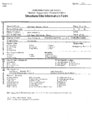
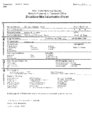
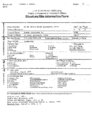
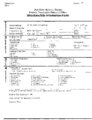
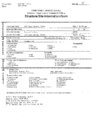
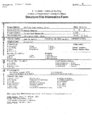
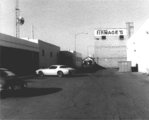
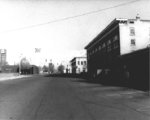
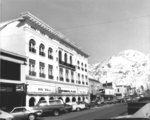
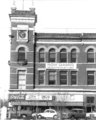
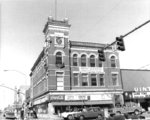
Show 5 til ec Architect/Builder: Building Materials: brick_________Building Type/Style: commercial Description of physical appearance & significant architectural features: (Include additions, alterations, ancillary structures, and landscaping if applicable) o < g >; O 0? x The marble interior has been nominally altered, and the outside facade remains fairly in The upper windows-on the west side 10 pairs, on the south side 6 separated by brick piers with capitals-are as they were originally-^-in three segments. The lower 10 windows on the west side are also unaltered. However, the original large display windox^ and large indented entrance have been reworked into a center entrance flanked by windows. This south lower entrance and part of the west side have been covered with tile. The roof is flat and a bracketed cornice sets it off. Statement of Historical Significance: D G D D Ef Aboriginal Americans Agriculture A'chitecti,ra TneArts Commerce O D D D D Communication Conservation Education Exploration/Settlement Industry D D D D D Military Mining Minority Groups Political Recreation D D D D Religion Science Socio-Humanitarian Transportation This building was built for one of the many businesses organized by Thomas M. Taylor. In December, 1906, Thomas N. Taylor, who had two years previously finished his second term as mayor of Provo and who was continuing as an important businessman- Xtfith Taylor Brothers Furniture, organized the Farmers and Merchants Bank of Provo. Organized with Taylor as president, Homer J. Rich as vice-president (John F. Bennett soon took over as vice-president) , and John D. Dixon as cashier, the bank opened for business in its nex? building in 1908. Taylor operated the bank until 1932 x^hen it fell victim to the economic depression, The bank was reopened that year by a group of men led by Alex Hedquist, another of Provo's leading businessmen. The bank moved to a new building, 9 North 300 West, about 1955 and soon afterwards sold out to Walker Bnnk. |