| OCR Text |
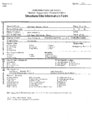
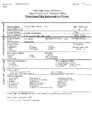
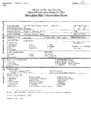
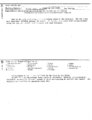
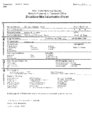
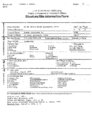
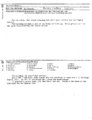
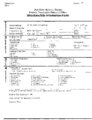
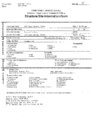
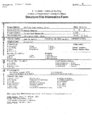
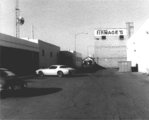
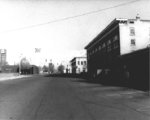
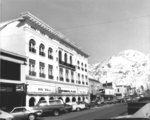
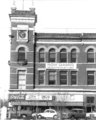
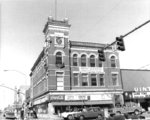
Show Architect/Builder: Building Materials: j2 JlJ t o < g > O co X brick________Building Type/Style: Description of physical appearance & significant architectural features: (Include additions, alterations, ancillary structures, and landscaping if applicable) The upper facade has remained essentially intact-even left unpainted. The bracketed cornice, the three segmented windows with ornamental arches (metal frames have replaced the wood, the.upper half of the windows have been boarded over). The lower facade is highly altered--with concrete panels, stucco, reworked entrance. Statement of Historical Significance: D Q 87 D {* Aboriginal Americans Agriculture Architecture The Arts Commerce a D a D d Communication Conservation Education Exploration/Settlement Industry D D D a D Military Mining Minority Groups Political Recreation D D D O Religion Science Socio-Humanitarian Transportation This is one of a group of late Victorian buildings which are a part of Provo's architectural heritage- it is the remaining portion of the First National Bank building. In 1884 the First National Bank of Provo built a building erected for the purpose. A. 0. Smoot was president of the bank and he housed his offices and his son Reed operated his book coma^gny in the west half of the building which was separated from the bank with a brick wall (the wall did not go through to the basement). The Provo Book and Stationary Co. was incorporated in 1889»w^Reera Smoot president; John C. Graham vice-president; Joseph B. Keeler, secretary; George S. Taylor treasurer and superintendent. • In 1910 a new building was built for the bank which had been taken over by the Provo Commercial and Savings Bank. Only the east part of the building was replaced; the Smoot Drug Co. (by 1903 Alex Hedquist was the manager) continued to operate from the west of the older building. Smoot Drug in #4, incorporated Sept. 1, 1890; Reed Smoot president; W. P. Pike, vice-president; M. H. Hardy, secretary and treasurer. |