| OCR Text |
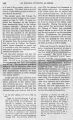
Show 1096 481 FEDERAL REPORTER, 2d SERIES in the direction of drafting an impact statement now. To begin with, commercial implementation of LMFBR technology is far from speculative. The massive amounts of money being pumped into this program by Congress and the Presidential Energy Policy statement committing the nation to completion of the first commercial-sized demonstration plant by 1980 both indicate widespread confidence that the program will succeed in its twin goals of demonstrating the commercial feasibility of the breeder reactor and producing an industrial infrastructure ready, willing and able to construct such reactors on a commercial basis. The Commission also has a great deal of confidence in the program. As the Director of the Commission's Division of Reactor Development and Technology stated in the introduction to the LMFBR Program Plan: "Sufficient experience exists to provide assurances that each complex element of the LMFBR program, if carefully pursued in a diligent and disci-v. Volpe, supra note 67. See Hanly v. Kleindienst, supra, 471 F.2d at 828-830. We think it largely irrelevant which standard of review is verbalized in the context of the instant case. Under Overton Park the court must first delineate the scope of the agency's authority and discretion under the governing statute and then determine "whether on the facts the [agency's] decision can reasonably be said to be within that range." 401 U.S. at 416, 91 S.Ct. at 823. Under the rational basis test, the court would have to determine whether the agency's decision had "reasonable support in relation to the statutory purpose." See Hardin v. Kentucky Utilities Co., 390 U.S. 1, 9, 88 S. Ct. 651, 19 L.Ed.2d 787 (1968). In the present case, the scope of the AEC's au- • thority and discretion in determining when to draft a NEPA statement for its research and development program is defined specifically by reference to the underlying statutory purpose of timely and meaningful impact statements and, as a result, the two standards of review merge into one. 69. AEC, LMFBR Program Plan, supra note 7, at ii. See also Authorization Hearings, supra note 6, at 672: "The energy supply and environmental crises have served to underscore the plined manner, can produce a viable industrial capability which will provide LMFBR plants on a self-sustaining competitive basis at a minimum cost, and in a timely manner. # * * » 69 Nor do we think completion of the program may be termed remote. While 10 years may seem a long time in other contexts, by 1968 the Commission already had a carefully planned and detailed schedule for the LMFBR program through the year 1980.70 Secondly, the Commission's own documents indicate that there already exists much meaningful information on the reasonably foreseeable environmental impact of development of LMFBR technology. The impact statement for the first demonstration plant, for example, contains detailed estimates of the radioactive wastes produced annually by a single commercial-scale LMFBR electrical power plant. It also contains estimates of the amount of land area necessary for short- and long-term storage of vital importance of expeditiously completing the breeder's development and commercial introduction, in order to assure the great potential economic, environmental, and resource conserving benefits of this reactor type. "General agreement has developed among most of the key energy community leaders in the cognizant agencies of the Government, in the Congress and in the nuclear community that the breeder reactor is the major long-term solution to the energy supply and related environmental problems. In addition the endorsement by the principal reactor manufacturers and the utilities of the LMFBR program as the highest [priority] energy development program is evidenced by the present commitment of about $25 million per year, and participation of more than 100 private and public utility organizations in cooperative development and design studies with the reactor manufacturers." Thus the whole tone of discourse about the LMFBR program suggests that commercial implementation of breeder reactor technology is not a question of "if," but rather a question of "when." 70. A chart of the program through 1980 may be found in AEC, LMFBR Program Plan, supra note 7, at 1-41. -\ |