| OCR Text |
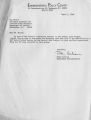
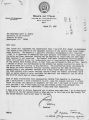
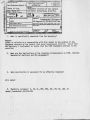
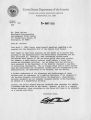
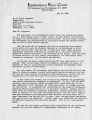
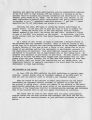
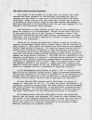
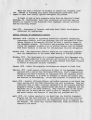
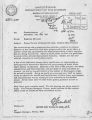
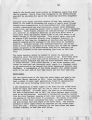
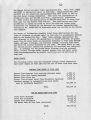
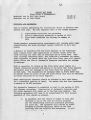
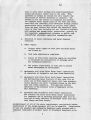
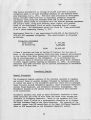
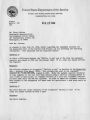
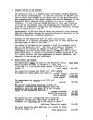
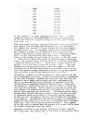
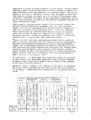
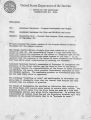
Show "To: Regional Director, PN, MP, LC, UC, SW, CMj LM From: Commissioner- Subject: Implementation of Bureau of Reclamation Planning Procedures, It is essential that the change to multi-objective planning be made as soon as possible. Although the Water ifesources Council's proposed principles and standards have not been approved, there is little doubt that multi-objective planning is the concept that will be used in the evaluation of our projects. Accordingly, multi-objective planning procedures should be put into effect immediately, unless specifically exempted by this office, they should be applied to all project studies under preparation in your office regardless of where they are in the planning process. The National Water Commission also recommended that "Straight-line extrapolations of water use are deceptive and a poor basis for planning and policy formulation because water use is responsive to many variables in policy and technology as well as to the rates of growth in the population and the economy which cannot be forecast with any assurance. The alternative futures discussed in this chapter indicate the wide range of policy choice, tradeoffs, and flexibility in water use that are available. The Commission strongly believes that all future water planning activities should give serious consideration to the widest possible range of realistic choices so that the selected course of action reflects a conscious decision to accept one alternative in preference to others, rather than a projection of past trends into the future," 14 The State of Utah has the following amounts of different quality trout streams (Class I and II are blue-ribbon trout water): Qass_ Miles I 62 II 451 III 2,522 IV 1,530 V 645 VI 267 By comparison, the State of Idaho has 5,327 miles of quality streams which contain anadromous fish or are of great importance as trout streams, while Wyoming contains 19,000 miles of trout water. The Utah Fishing Waters Inventory and Classification report contains the recommendation that classes I and II be protected as high quality fishing areas, i.e. any water development should in no way decrease their recreation values. On Class III streams damages from water development should be minimized, In terms of lakes and reservoirs Utah ranks fifteenth among the 50 states, exclusive of the alpine lakes and reservoirs stocked by aircraft. It has 394,184 acres of lakes and reservoirs. Over 200,000 acres consist of reservoirs over 500 acres in size, 20 |