| OCR Text |
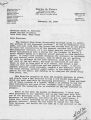
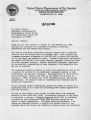
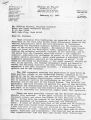
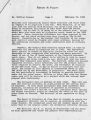
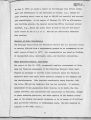
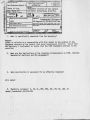
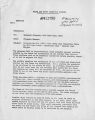
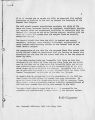
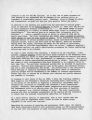
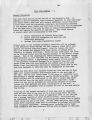
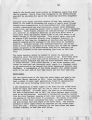
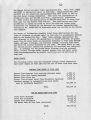
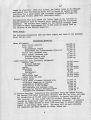
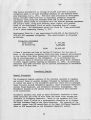
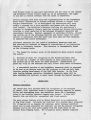
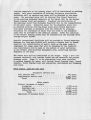
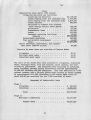
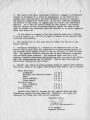
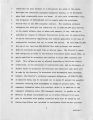
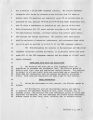
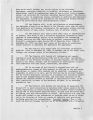
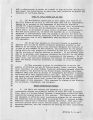
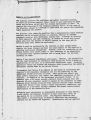
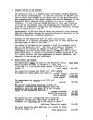
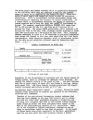
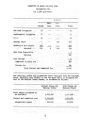
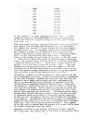
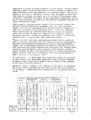
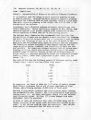
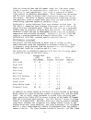
Show The above supply and demand schedule which is graphically displayed in the following table does not indicate a need for the limited amount of water to be supplied by the Bonneville Unit. These esti-mates of water supply and demand are based in part on*population projections. There is disagreement between development groups and conservationists regarding the accuracy of various projections. As a result there is disagreement regarding the degree of population growth expected and in turn the level and timing ot development re-quiredu For example, population projects through 2020 range from 267 to 400 million for the U.S. and from ab at 2 million to 3.2 million for Utah0 The latest OBERS projections (1971) indicate 1.99 million for Utah in the year 2020, although current planning is based upon 1967 projections of 2,94 million by year 2020, Thus? planning remains unchanged in spite of a 321 reduction in projected population, Even though the figures in this text were taken from the Great Basin Comprehensive, Water Resources Appendix, which is development oriented, the data do not establish a present need for Bonneville Unit water. £ - *"*> Graphic Presentation of Above Data sgaaz Bonneville Additions Present Use 7 / / 7 / 5 7 Future Use 1965 2020 5, 914,000 6,227,000 3,966.000 5,129,000 IT T Millions of Acre Feet Regardless of the disagreement or confusion over the finite amount of various growth, there is certainly no immediate water shortage. Extending the demand schedule in the graph on page , the data indicate that the in-basm supply of water will not become a limiting factor until about 2050= And these figures include projections for significantly increased agriculture as well as M § I use The National Water Commission's Report a 5-year, $5-million water resource study authorized by Congress ana approved by the President, contained this statement: "Results of the agricultural forecasting studies indicate that food and fiber demands in the year 2000 could be met by returning land now idled under government programs to production and by using less irrigated land that at the present without placing undue strain on either the total available water supply in the West or the food producing capacity of U.S. agriculture. Under all of the alternative futures considered, consumptive use of water in agriculture would be less than at present. In the event of future water scarcxties, especially in the West, agriculture need not use more water but could actually release a fairly |