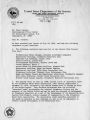
| OCR Text |
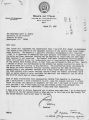
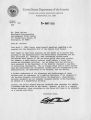
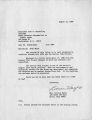
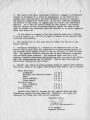
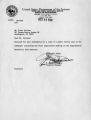
Show and wildlife facilities that are transferred to other local or State agencies for O&M. The existing repayment contract requires full reimbursement of O&M costs to the Service at any time the Service has the O&M responsibility for any of the project works (such as a brief period following completion of construction). Any new contract will contain the same requirement. With regard to calculating and implementing provisions relating to the "ability to pay" of the district's water users, this would occur if the entire repayment contract is renegotiated. If this occurs, then the irrigation repayment obligation would be set to recover 100 percent of the irrigators' payment capacity. Likewise, we would examine ad valorem tax usage and institute an account charge if the existing repayment contract is renegotiated. To the extent that these revenues contribute to the repayment of the unit's irrigation function, the repayment assistance provided by the power function would decrease. The extent of this effect can be estimated eventually. However, since these factors are somewhat variable due to changes in ability to pay, property assessments, etc., the final repayment distribution will not be known until complete repayment is achieved. Any new or amendatory contract will include the latest articles on excess land and compliance with Secretarial Rules and Regulations. It is likely that the main reason that a repayment contract would need to be renegotiated for a participating unit or project of the Colorado River Storage Project is the one you have cited; i.e., the securing of additional repayment commitments from the contractor. However, there are additional causes or factors which can influence or lead to a need to amend a particular contract. Certainly, if a contractor wishes additional benefits not previously covered by a contract, such benefits would require a new or amended contract. Substantive changes to change benefits could involve congressional reauthorization. For situations which present different factors of irrigation versus M&I use, repayment assistance from power and ad valorem taxes, other contractors' usage of facilities, etc., the outcome of the Bonneville Unit decisions and negotiations may have some precedent. However, these various factors will make each situation somewhat unique. I appreciate your observations on this issue, and I invite your further comments and suggestions as we proceed. Sincerely yours, (2e^ttt^~ Acting Assistant Commissioner |