| OCR Text |
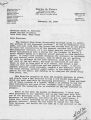
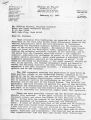
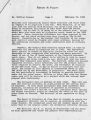
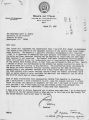
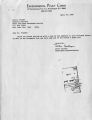
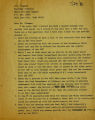
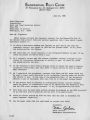
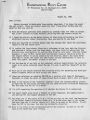
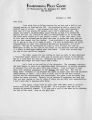
Show I -2- functions and asked how public participation could be substantially improved. At the very start of that process, EPC was invited to a meeting at the Department which we attended and provided information and observations to your advisory group headed by Dr. Adams. And we noted that last January, in the draft regulations on general public participation that public participation is intended to be a "...genuinely consultive process..." and that "...equal opportunities for all individuals and groups to be heard." . Starting last year, EPC began to review the Central Utah Project in greater detail. In the past year we made two trips to Utah to examine the project. During the second trip, we met with Regional Director Plummer, several members of his staff, and during the same visit, initiated a review of some of the WPRS' file material on the project. In particular, the files on the contract with the Central Utah Water Conservancy District (CUWCD) were examined. As a result of that review, we began to undertake a detailed review of the situation with the repayment contract. While in Utah we learned of what we had been led to believe were negotiating meetings on the repayment contract. In early February of this year we sent a letter to you, asking that we be informed of any meetings and have the opportunity to participate, persuant to the regulations, as observers. That early February request was denied and it was denied on the grounds that no negotiations were in fact taking place. We accepted this assurance in good faith, at face value. We have, however, learned of facts in the last few weeks which suggest that negotiations were not only taking place this past February, but in fact have been underway for some time. Most notably, while you insist that negotiations are not taking place, the Conservancy District is regularly reporting to its board about the detailed development in those negotiations. THE CONCERNS OF THE CENTER In June, 1978 the WPRS published the draft guidelines on contract negotiations. Several months later in September, members of the WPRS staff in Utah met with the District staff to develop a new repayment program. Upon our review of the policies of public participation and the events surrounding the repayment contract problems, it appears to us that one of two actions is taking place: either your agency is not adhering to the public participation guidelines and the water policy of the Administration concerning contracts, or the Conservancy District is misrepresenting meetings and statements that it has received from you and your agency concerning the contracts. The issues that we raise in this letter with the public participation problem concern how the whole problem with repayment came about and how the public has not been involved pursuant to your published procedures on participation. |