| OCR Text |
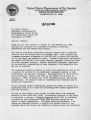
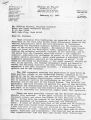
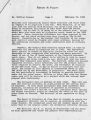
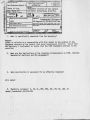
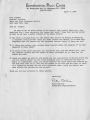
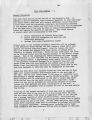
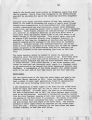
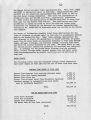
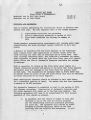
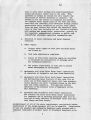
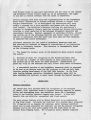
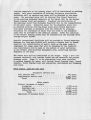
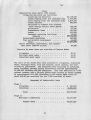
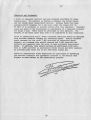
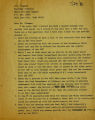
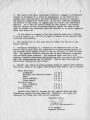
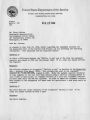
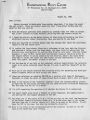
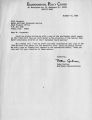
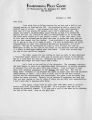
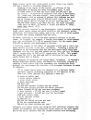
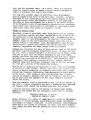
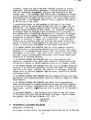
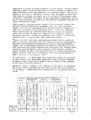
Show speaking before the National Water Resources convention in Salt Lake City on November 15, 1972. "Reclamation builds a sounder and wider economy base wherever our projects are built. The resulting tax increases help local state and federal government to finance new social programs which are placing such a burden on the nation." There appears to be some conflict between that statement and the following quote in a report to the Governor of Wyoming from the Wyoming Reclamation Projects Survey Team (1963) dealing with problems on the Eden, Seedskadee, Savery-Pot Hook, Kendrick and Lyman Projects, "Some people expressed the idea that the project acreage (Eden) should be reduced to 13,000 acres by having the government purchase farms at the price of a fully developed paid-for farm, and that damages should be paid to the settlers for the time they had been on the land for misrepresentation of the area to them by the Soil Conservation Service and/or the Bureau of Reclamation. After a careful examination of weather records, water records, public notices of land sales and other data the Survey Team is of the opinion that the accusation that government officials misrepresented the proj ect lacks concrete evidence and is not justified," • Statements such as the Commissioner's and those of other government officials warrant close attention and should be subjected to rational, objective analysis by an informed public. This is Especially true since Utah is already comparatively rich economically and environmentally, and we presume residents have no wish to see it threatened to any degree. For example, between 1940 and 1965 Utah had a per capita income that paralleled the average income frowth at the national level. Amounts were $1,266 in 1940 and 2,602 in 1965. 6 In terms of space per individual as a measure of environmental quality, Utah residents total 1,100,000 individuals and land area amounts to 82,381 sq. miles. This breaks down to 48 acres per individual. 12 1 An example of the results of development from across the continent might indicate the widespread use of this approach and might tend to encourage closer scrutiny of the Bonneville Unit or at least temper the natural enthusiasm for economic growth at no cost: "Housing developments located on waterfront canal systems have been often presented as local economic assets which convert unused land into taxable property, broaden the tax base and increase the value of surrounding property. Additional benefits often cited are that high value homes with convenient access to a naviagable waterway attract affluent people to Florida, which as beneficial to business and creates more jobs." The theory that 'getting lands on the tax rolls' will lower taxes generally, or provide more and better community services, is apparently an illusion. If development were invariably beneficial, highly-developed areas such as Miami and Jacksonville would have lower taxes than less-developed communities. The present trend of population is a movement to rural areas to escape high city taxes and general urban degredation. "Never in history has the addition of property to the tax rolls reduced an individual's taxes. Always has the cost of serving, and the investment required gone up as an area grew, not down." (John McQuigg, May 5, 1971). ~~ 13 |