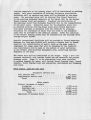
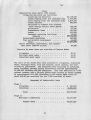
| OCR Text |
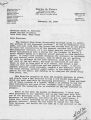
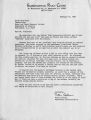
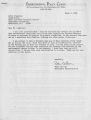
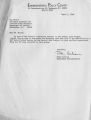
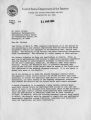
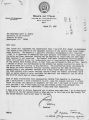
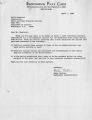
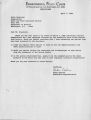
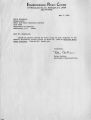
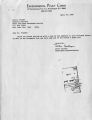
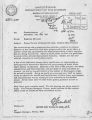
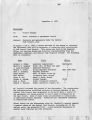
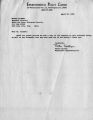
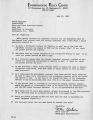
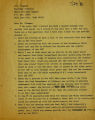
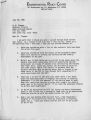
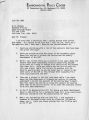
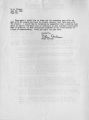
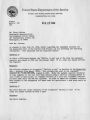
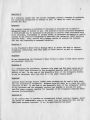
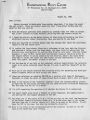
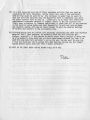
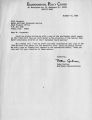
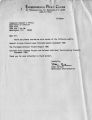
Show ENVIRONMENTAL POLICY CENTER 317 Pennsylvania Ave., S.E.. Washington, D. C 20003 202/547-6500 May 22, 1980 Mr. R. Keith Higginson Commissioner Water & Power Resources Service Room 7654 Department of Interior Washington, D.C. 20240 Dear Mr. Higginson: For many years, the Environmental Policy Center has studied and spoken out on a wide-ranging number of water issues. We .have been at the forefront of support for the President's water policy reforms. We have closely followed the development and implementation of that policy within the Interior Department as well as other Federal agencies. Over the years EPC has observed that all too frequently those members of the public who would be adversely impacted by the development of water resource projects were often the last to knoxtf about them. Water Resource development proponents-both here in Interior and at the Corps-carefully worked with project supporters to the exclusion of the public. Over the years, it became obvious to us that "public participation" too often simply meant "contractor relations," and the public was excluded. In the past few years, others besides the EPC have taken notice of this problem. When the Government Operations Committee published its report on Garrison in 1976, it concluded that project proponents in government badly mistreated citizens of North Dakota. For that reason, EPC was pleased when Congress directed the San Luis Task Force to review the manner in which public participation occurred in the Unit. For that and other reasons, EPC supported that legislation. We felt that the conclusions of the Task Force were valid and the recommendations sound. It was a bold step forward, and you are to be commended for recommending that public participation guidelines be implemented. In July, 1978 the Water and Power Resources Service (WPRS) published draft regulations and, at the very beginning of 1979, published the final regulations. We commend the WPRS for this action. It recognized that contracting for the change of reclamation subsidies behind closed doors is not in the public interest. Whether they're power users and consumers, recreation enthusiasts, farmers whose land will be taken or impacted, or just plain tax-paying citizens, they all have a right to know what arrangements are being made, what decisions are being made, and of equal importance, how the bill will be paid. Until the most recent few months, this has proved to be impossible. However, under your leadership and direction, the WPRS has recognized this situation and dealt with it in a conscientious manner. Not only did your agency promulgate final regulations for the contracting process, but you also undertook a comprehensive examination of all agency |