| OCR Text |
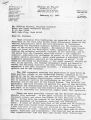
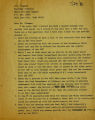
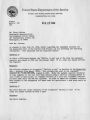
Show / / ClA'DlS S: PKATT Mr. William Plummer Page 2 February 15, 1980 District will voluntarily cancel their contracts and start back at "Square 1" to negotiate a new one. That District, as is the case with the Central Utah District, has spent large sums of money to construct facilities to take water from the Jordan Aqueduct, and in fact it is doing so at the present time. Allotments have also been made to irrigation users, based on the 1965 contract. These irrigation allotments have been approved by the Bureau, and two block notices have been issued by the United States. Cancellation by the Central Utah District of its repayment contract would be fraught with legal problems, because of the underlying contracts and other commitments made in reliance thereon. Further; the Central Utah District itself does i. jt want to surrender the things it bargained for in 1965. The agreements there reached in regard to supplying irrigation water are more favorable to the irrigators than anything now being proposed. At least 12 out of the 19 board members of the District represent rural areas. They do not appear to be willing to vote to cancel' the contract and enter into a new one, which will cost the irrigators they represent more money. The District, under the present repayment contract, would ultimately pay for the project facilities required to deliver the water, and thereafter be required to pay O&M costs only. It has no desire to surrender that contract, and accept in lieu thereof an arrangement where it pays the price set by the Government in perpetuity. The rural areas are not particularly interested in bonding to provide municipal water for the urban areas. Efforts to force this with the larger urban vote will be devisive on a project which has already been plagued with controversy. The irrigators have no problem of debt limit. They will pay what the. contract provides, as conte,plated by the various Acts of Congress. To tell these irrigators they must surrender that contract, including the petitions we approved in accordance therewith, and accept a new set of rules, requiring tract changes and higher repayment, simply is changing the rules of the game 16. years after we started. The District is not agreeable to doing that. The Board of Directors is firm that it intends to retain its 1965 repayment contract, and to receive, in accordance with the terms thereof, the irrigation water and the largest amount of M&I water that it can acquire within the obligation authority therein The District, the U. S. Bureau of Reclamation and the State of Utah sponsored and "sold" the project with representations |