| Title |
Central Utah Project Litigation Documents |
| Description |
Correspondence and documents concerning litigation for the Bonneville Unit of the Central Utah Project; from the The Dorothy Harvey papers (1902-2005), a collection of materials focusing on the Central Utah Project (CUP), a water resource development program to use Utah's alloted share of the Colorado River. Includes correspondence, federal documents, project litigation materials. |
| Subject |
Central Utah Project. Bonneville Unit; Colorado River Storage Project (U.S.); Ute Indians--Claims; Water resources development--Environmental aspects--Utah; Natural resources--Environmental aspects--Utah; Natural resources--Management--Utah; Strawberry Aqueduct; Western Bands of Shoshoni Indians--Claims |
| Contributor |
Ruckel, H. Anthony; Oberhansly, Curtis K.; Owens, Wayne; Raskin, David C.; Leshy, John D.; Olsen, Dennis F.; Phillips, Howard K.; Barker, Robert W.; Hatch, Orrin G.; Blackwelder, Brent; Carlson, Peter; Lynn, Laurence E.; Horton, Jack O.; Reed, Nathaniel P.; Black, Kenneth E. |
| Additional Information |
Includes: Letters and documents concerning Sierra Club, et al. v. Gilbert Stamm, et al.; Water Resources Development Act of 1974; Letters from the Sierra Club Legal Defense Fund, Natural Resources Defense Council, the Environmental Policy Center; United States Court of Appeals, Tenth Circuit case No. 74-1425 Sierra Club, etc., et al. v. Gilbert Stamm, etc., et al.; Case before the Indian Claims Commission: Western Shoshone Identifiable Group etc., et al. v. United States of America; Memo from Department of the Interior on the Central Utah Project, Bonneville Unit; Study from Bureau of Sport Fisheries and Wildlife: Stream Flows Recommended For the Uinta Mountain Streams, Central Utah Project; U.S. Dept. of Interior Water Projects Review Office Preliminary Information and Data Sheets for Bonneville Unit |
| Spatial Coverage |
Uinta Basin (Utah and Colo.); Little Dell Reservoir (Utah); Currant Creek Dam (Utah); Uintah and Ouray Indian Reservation (Utah); Utah Lake (Utah); Provo River (Utah); Bonneville Basin (Utah); Salt Lake County (Utah); Jordanelle Reservoir (Utah); Uinta Mountains (Utah and Wyo.); Colorado River Watershed (Colo.-Mexico) |
| Collection Number and Name |
Accn2232 Bx 118 Fd 2; Dorothy Harvey papers |
| Rights Management |
Digital Image © 2010 University of Utah. All Rights Reserved. |
| Holding Institution |
J. Willard Marriott Library, University of Utah |
| Date |
1973; 1974; 1975; 1977; 1978; 1979; 1980 |
| Digitization Specifications |
Original scanned on Epson Expression 10000 XL and saved as 400 ppi TIFF. Display image generated in Contentdm. |
| Publisher |
Digitized by J. Willard Marriott Library, University of Utah |
| Type |
Text |
| ARK |
ark:/87278/s6hh6j1p |
| Setname |
wwdl_neh |
| ID |
1155349 |
| Reference URL |
https://collections.lib.utah.edu/ark:/87278/s6hh6j1p |
| Title |
Page 130 |
| Setname |
wwdl_neh |
| ID |
1155323 |
| OCR Text |
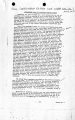
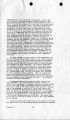
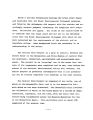
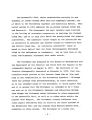
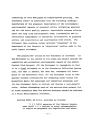
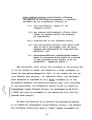
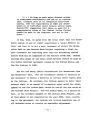
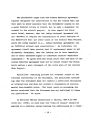
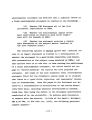
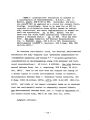
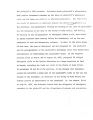
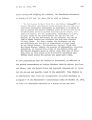
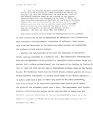
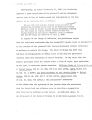
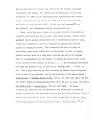
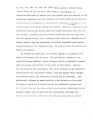
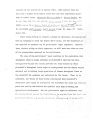
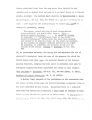
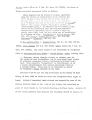
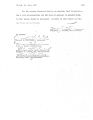
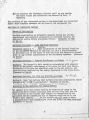
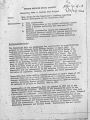
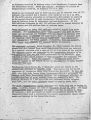
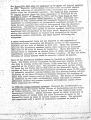
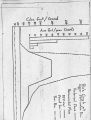
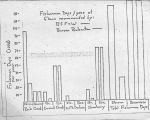
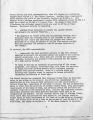
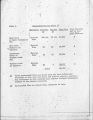
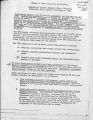
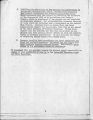
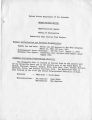
Show Forest Service and Utah recommendations, when all streams are considered, require about 40,000 a.f. for fishery bypasses. Meeting these requirements would decrease the yield of the Strawberry Aqueduct by 25,000 a.f. This appears to be a minimum requirements because BSFW recommends almost 50,000 a.f more (or a total of 90,000 a.f.) bypass flow. The graph of Rock Creek illustrates the different concepts which are used to arrive at these figures. The Forest Service is requesting > . *". . .minimum flows necessary to sustain the aquatic habitat and preserve the natural fisheries. ... " The objective to retain sufficient streambottom coverage and a favorable depth for existing pools is not intended to imply the fisheries will remain the same after the streams are altered; Retention of at least 80 percent of the low flow aquatic habitat "does not guarantee 100 percent or even 80 percent retention of the fishery." - In contrast, the BSFW recommendation ". . .represents the best available estimate of the flow regimens required to maintain the existing habitat and preserve the existing aquatic ecosystems; i.e., flov/s that will provide for successful spawning, incubation and growth of fish necessary for the support of a high quality fishery. ..-.-,-; "A range in flow may be essential to preservation of the stream ecosystem. For example, occasional high, wild flows are necessary to flush silt from spawning gravels and to replenish spawning ; gravels from upstream sources. Water of a certain depth and * velocity over spawning areas is required to insure successful. incubation and hatching of trout eggs." The Forest Service has requested that increased stream flows be discussed prior to any action on the project; the A/S LWR has recommended that negotiations on this issue be held concurrent with the construction of Currant Creek Dam. Regardless of the order of events, the EIS on Bonneville makes it clear that the provision of minimum fishery flows, even the minimum requirements of the State of Utah, can seriously affect the political and economic viability of the Bonneville Unit. Possibly the repayment contract and almost certainly the Indian Deferral Agreement would have to be renegotiated and amended. The EIS strongly implies that if minimum fishery flows above that now provided for were agreed to, the Indians would no longer agree to defer development of its lands as in the Deferral Agreement. Thus, the effect would not be a loss to the project of just 25,000 a.f. for fish flows, but closer to 65,000 a.f. If the above scenario is accurate, . - . . . • ' » » - |
| Reference URL |
https://collections.lib.utah.edu/ark:/87278/s6hh6j1p/1155323 |