| Title |
Central Utah Project Litigation Documents |
| Description |
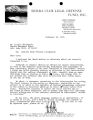
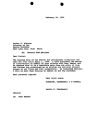
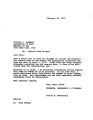
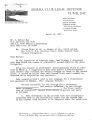
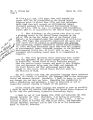
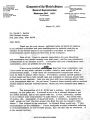
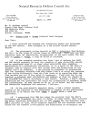
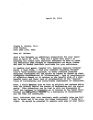
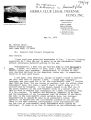
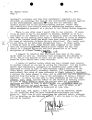
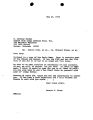
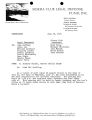
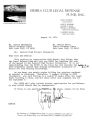
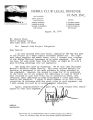
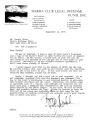
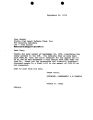
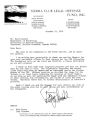
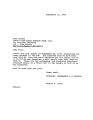
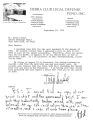
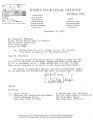
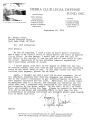
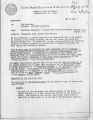
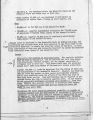
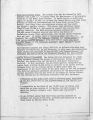
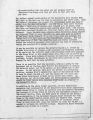
Correspondence and documents concerning litigation for the Bonneville Unit of the Central Utah Project; from the The Dorothy Harvey papers (1902-2005), a collection of materials focusing on the Central Utah Project (CUP), a water resource development program to use Utah's alloted share of the Colorado River. Includes correspondence, federal documents, project litigation materials. |
| Subject |
Central Utah Project. Bonneville Unit; Colorado River Storage Project (U.S.); Ute Indians--Claims; Water resources development--Environmental aspects--Utah; Natural resources--Environmental aspects--Utah; Natural resources--Management--Utah; Strawberry Aqueduct; Western Bands of Shoshoni Indians--Claims |
| Contributor |
Ruckel, H. Anthony; Oberhansly, Curtis K.; Owens, Wayne; Raskin, David C.; Leshy, John D.; Olsen, Dennis F.; Phillips, Howard K.; Barker, Robert W.; Hatch, Orrin G.; Blackwelder, Brent; Carlson, Peter; Lynn, Laurence E.; Horton, Jack O.; Reed, Nathaniel P.; Black, Kenneth E. |
| Additional Information |
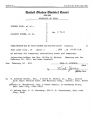
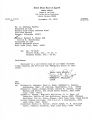
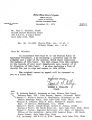
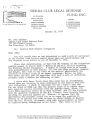
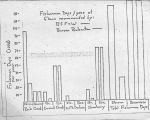
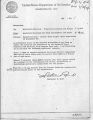
Includes: Letters and documents concerning Sierra Club, et al. v. Gilbert Stamm, et al.; Water Resources Development Act of 1974; Letters from the Sierra Club Legal Defense Fund, Natural Resources Defense Council, the Environmental Policy Center; United States Court of Appeals, Tenth Circuit case No. 74-1425 Sierra Club, etc., et al. v. Gilbert Stamm, etc., et al.; Case before the Indian Claims Commission: Western Shoshone Identifiable Group etc., et al. v. United States of America; Memo from Department of the Interior on the Central Utah Project, Bonneville Unit; Study from Bureau of Sport Fisheries and Wildlife: Stream Flows Recommended For the Uinta Mountain Streams, Central Utah Project; U.S. Dept. of Interior Water Projects Review Office Preliminary Information and Data Sheets for Bonneville Unit |
| Spatial Coverage |
Uinta Basin (Utah and Colo.); Little Dell Reservoir (Utah); Currant Creek Dam (Utah); Uintah and Ouray Indian Reservation (Utah); Utah Lake (Utah); Provo River (Utah); Bonneville Basin (Utah); Salt Lake County (Utah); Jordanelle Reservoir (Utah); Uinta Mountains (Utah and Wyo.); Colorado River Watershed (Colo.-Mexico) |
| Collection Number and Name |
Accn2232 Bx 118 Fd 2; Dorothy Harvey papers |
| Rights Management |
Digital Image © 2010 University of Utah. All Rights Reserved. |
| Holding Institution |
J. Willard Marriott Library, University of Utah |
| Date |
1973; 1974; 1975; 1977; 1978; 1979; 1980 |
| Digitization Specifications |
Original scanned on Epson Expression 10000 XL and saved as 400 ppi TIFF. Display image generated in Contentdm. |
| Publisher |
Digitized by J. Willard Marriott Library, University of Utah |
| Type |
Text |
| ARK |
ark:/87278/s6hh6j1p |
| Setname |
wwdl_neh |
| ID |
1155349 |
| Reference URL |
https://collections.lib.utah.edu/ark:/87278/s6hh6j1p |
| Title |
Page 82 |
| Setname |
wwdl_neh |
| ID |
1155275 |
| OCR Text |
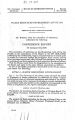
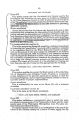
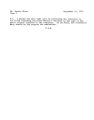
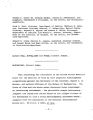
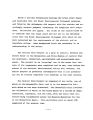
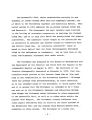
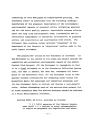
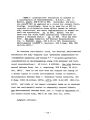
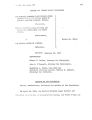
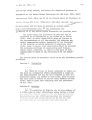
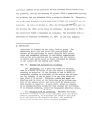
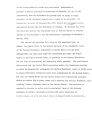
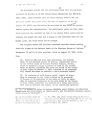
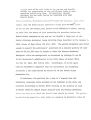
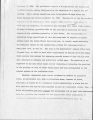
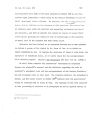
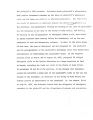
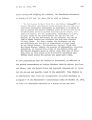
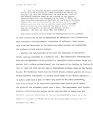
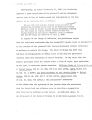
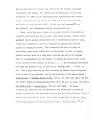
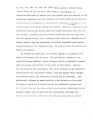
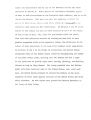
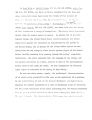
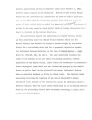
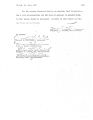
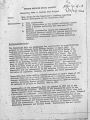
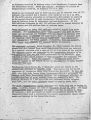
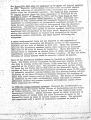
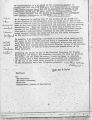
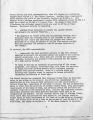
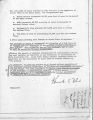
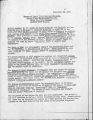
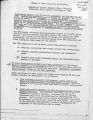
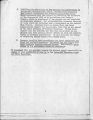
Show property of the members of an Indian tribe. This follows from the fact that a member of an Indian tribe does not have, individual ownership in tribal lands. Minnesota Chi •••p-.y.-n Tribe v. United States, 161 Ct. Cl. 258, 315 E 2d. 906 (I'VE.'), L^JU::UJI:SL r' '}rA- c:1- Cl!::::*- 7 :i (1960) .Docket 18-B; S:>uk::u- Tribe of Tg-dLovs v. En [ t od ^t o'.-oj-^ 163 Ct. Cl. 58 (1963) affr* in part, rov^J, in part 9 Ind. Cl. Comm. 23' 1961), Docket 331. There being nothing to support a charge of collusion, the petitioners have no standing to amend the Docket 326-K claim, and the Commission Is not required to consider any of petitioners' legal arguments. Nonetheless, without ruling on their arguments, we. will note our views-on some of the propositions advanced by the petitioners. ; The crux of the petitioners' legal position is the contention that aboriginal title to large portions of plaintiff's land has not been extinguished because the treaty provided the only methods by which plaintiff's aboriginal title might be extinguished and the United States obtained and is holding large quantities of former aboriginal lands of the plaintiff for purposes not authorized by the treaty. Thus, it is contended, the Treaty of Ruby Valley anticipated that plaintiff's aboriginal lands might be acquired by the defendant for roads and military posts and used by non-Indians for specific uses such as mining and agricultural development. But the petitioners argue in substance that the treaty did not permit the United States to acquire lauds for i;:;E.: Ion in national >orests nud grazing district:*., although many of plaintiff's |
| Reference URL |
https://collections.lib.utah.edu/ark:/87278/s6hh6j1p/1155275 |