| OCR Text |
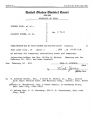
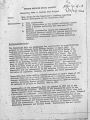
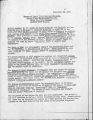
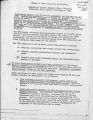
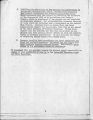
Show the defendant moved to strike the petitioners' memorandum of November 7 and the plaintiff's memorandum of November 13, or, in the alternative, that the defendant be granted time to reply to these pleadings if the defendant deemed such a reply to be advisable. The Commission, by order of November 20, 1974, denied the i\\otionpb strike, and allowed 30 days for the defendant to respond. On November 25, 1974, the defendant advised the Commission that it did not desire to respond further to the plaintiff's and the petitioners' pleadings of November 7 and 13, 1974. The crux of the. petition for a stay is the assertion that, in effect, the Indian title to the greater portion of the aboriginal lands of the Western Shoshones, plaintiffs in Docket 326-K, has not been extinguished, but that such lands are unoccupied and under the supervision of the United States which, as guardian of the Western Shoshones, has the duty of supervising and protecting their property. The petitioners also assert that the Docket 326-K proceeding before the Commission, seeking an award of damages, will extinguish the Western Shoshones1 claim to lands, title to which petitioners allege has never been extinguished by the United States, and that the Temoak Bands and the United States have collusively included, within the Docket 326^-K claim, lands still owned by the Western Shoshones, thus "selling" Western Shoshone lands to the United States. The petition is apparently intended to refer only to aboriginal lands of the Western Shoshones in Nevada, amounting to 22,211,753 acres (exclusive of reservations), and dovs not aiiect their aboriginal lands in California. |