| OCR Text |
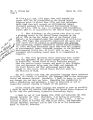
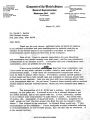
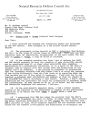
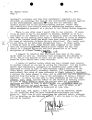
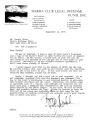
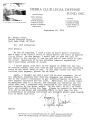
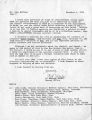
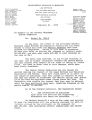
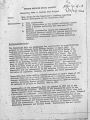
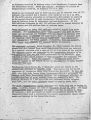
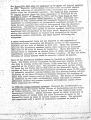
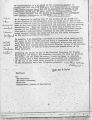
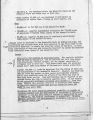
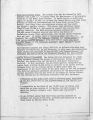
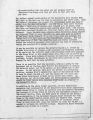
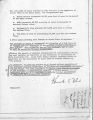
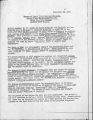
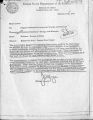
Show former.aboriginal lands have for many years been included in and administered as federal land and part of a national forest or a federal grazing district. The Supreme Court observed in United States v. Sent a Zl:J^lJ. r:CJ\i- • 31/| l?-s* 33y> 3':7 0947) i--''i i-"C power of Co^rc?^ in supro -r with regard to the extinguishment of I ndiau ti 11 e h^j&fC on aboriginal possession, adding: The manner, method and time of such extinguishment raise political, not justiciable, issues. Butta v. Northern Pec if I_c Jvail road, . . . . As stated by dojinscm v* i'-_ J.ntosh . . . "the exclusive right of the United States to extinguish" Indian title has never been doubted. And whether it be done by treaty, by the.sword, by purchase, by the exercise of complete dominion adverse to the right of occupancy, or otherwise, its justness is not open to inquiry in the courts. Beecher v. Wotherby, 95 U.S. 517, 525. If, as petitioners maintain, the treaty did not authorize the use of plaintiff's aboriginal lands for some of the purposes for which the United States took them, e.g., for national forests or for federal grazing districts, Congress had full, power to authorize such uses b}r subsequent legislation which superseded the treaty in this respect. (See Lone Wolf v. Hitchcock, 187 U.S. 553, 564-568 (1903); F. Cohen, Handbook of Federal Indian Law, Ch. 3, §6 (1945))'. A further legal argument of the petitioners is the contention that the Treaty of Ruby Valley gave the Western Shoshones recognized title to the lands described in that treaty. Recognized title is a technical term which the courts use to describe a legal right or interest in land which Congress intended to grant to an Indian tribe. 3'n Miami ;'••*.'ho v. .Er.Lv>l..;'--'iaJ:» ]/;^ (::-• (:]- /j-] » •'*'•>" i l"/5 1'. :kx^. 226, 936 (195v), ;/_/_,;, |