| OCR Text |
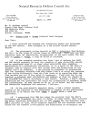
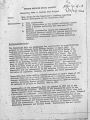
Show Subsequently, by order of February 11, 1966, the Commission approved a joint stipulation of the plaintiff and the defendant, entered into in lieu of further proof and adjudication by the Commission on th' valuation dote, as follows:. Counsel for both parties, having reviewed pertinent information relating to the time as of which the Western Shoshone lands in Nevada (Indian Claims Commission Finding No. 23) should be valued, hereby stipulate that the Nevada portion of the Western Shoshone lands in dockets 326 and 367 shall be valued as of July 1, 1S72. In support of the charge of collusion, the petitioners assert that the stipulated evaluation date for plaintiff's Nevada lands is detrimental to the interest of the plaintiff (all Western Shoshones) without indication of evidence to sustain the charge. The Court of Claims has held that the date of extinguishment, of Indian title is the date the government actually takes over possession or exerts dominion. It may occur when the federal government ousts the Indians under a claim of right, gets possession of the land, or otherwise asserts dominion. (Pillager Bands of Chippewa In? tans v. United States, 192 Ct. Cl. 698, 428 F.2d 1274 (1970), aff^g Docket 144, 21 Ind. Cl. 1 (1969); see Simon Plamondon ex rel. Cowlitz Tribe v. United States, 199 Ct. Cl. 523, 467 F. 2d 935 (1972), aff'g Docket 218, 25 Ind. Cl. Comm. 442 (1971).) The petitioners1 assertions to the effect that the agreement of the parties about the evaluation date for Nevada land was collusive seem to stem from a supposition that there was no evidence on this matter. As indicated above, in our discussion of the basis of Finding 26 in the title decision herein, |