| OCR Text |
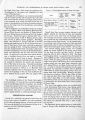
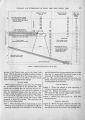
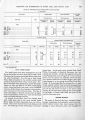
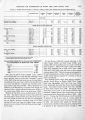
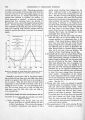
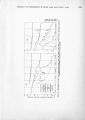
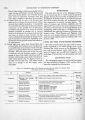
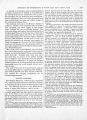
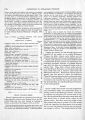
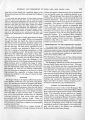
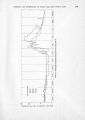
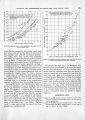
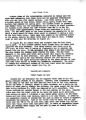
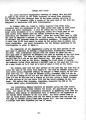
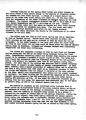
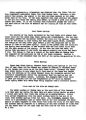
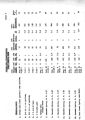
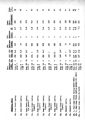
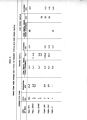
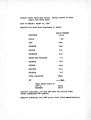
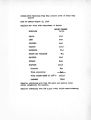
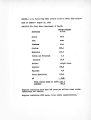
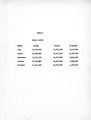
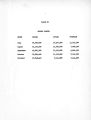
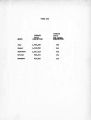
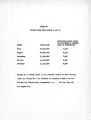
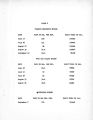
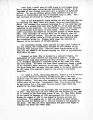
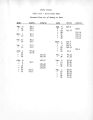
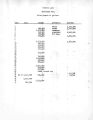
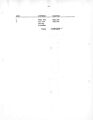
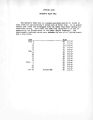
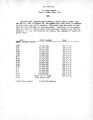
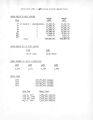
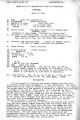
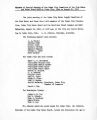
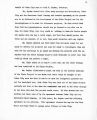
Show HYDROLOGY AND HYDROGEOLOGY OF NAVAJO LAKE, KANE COUNTY, UTAH TABLE 3.-Partial chemical analyses, in parts per million, of waters from Navajo Lake and from selected springs Cll Date sampled (1954) Discharge (cfs) Temperature (°F) Bicarbonate (HC03) Sulfate (SO*) Hardness as CaCOs Specific conductance (micromhos at 25°C) Navajo Lake Navajo Lake surface l _ _ Navajo Lake outflow 2 - July 14 _ . Aug. 2 . _ _ 73 70 87 60 3. 1 69 51 139 100 Springs fed in part from Navajo Lake Cascade Spring Do Do Do Do Do Duck Creek Spring. Do Do Do Lower Asay Spring. Do Do Upper Asay Spring. Do Do ____. Mammoth Spring. _ Do Aug. 2_. Aug. 12. Aug. 19. Aug. 13. Aug. 14. July 16. Aug. 21. Aug. 2_. Aug. 4_. July 16. Aug. 3_. Aug. 11. July 13. 1. 2. 2. 2. 3. 5. 9. 9. 12 16 28 29 35 6 2 4 6 6 4 3 9 47 49 51 52 54 45 45 50 50 50 51 155 147 136 113 108 124 128 145 115 130 193 182 182 6.4 4.9 5.4 3. 1 6.9 3.7 4. 1 6.6 11.0 3. 6 128 122 111 92 89 100 104 116 90 104 156 146 149 242 234 214 180 171 194 203 226 181 207 294 280 282 Springs independent of Navajo Lake July 13- Aug. 3__ Aug. 11. July 14_. Aug. 6_. 47 47 47 40 40 271 271 259 92 92 7.4 4.0 3.6 221 224 223 70 70 410 408 406 152 152 1 Average of five samples collected from various parts of lake. 2 Water released at beginning of first special test (p. C7). VARIATIONS OBSERVED IN 1954-58 AND FREQUENCY OF OCCURRENCE OF HIGH AND LOW YEARS Water year Acre-feet 1954 3, 700 1955 630 1956 550 1957 - 5, 930 1958 11, 710 The years of special study included 1 year (1954) when the lake did not overtop the dike, although it was above spillway crest for more than 2 months; 2 years (1955,1956) when the lake level was at all times below the spillway crest; and 1 year (1958) when the lake level was above the dike for 5 months and reached a maximum about 8 feet over the dike. These variations are reflected in the fluctuations in annual water supply, as tabulated above, which indicate 20 times more water in the wettest year (1958) than in the driest year (1956). Records of lake level are not available prior to October 1953. The lake is reported to have risen above the top of the dike in several earlier years, but the maximum level and length of time that the dike was overtopped are not known; however, maximum stage of the lake during 1958 was very near the highest water contour preserved on the shores of the lake from previous high-water years. In the 25-year (1935-59) records obtained at the Cedar Breaks (12M1) and Duck Creek (12M4) snow courses, 1954 was the median year as to water content of snow on April 1. There were 3 years (1952,1945,1937) when snow exceeded that in 1958, and 5 years (1959, 1953, 1951, 1946, 1940) when the snow at these courses was less than in 1956. Thus the 5-year period appears to be fairly representative of the variety of conditions recorded during the past quarter of a century, so far as snow is concerned. The drainage basins above three gaging stations- namely, Sevier River at Hatch, North Fork Virgin River near Springdale, and Coal Creek near Cedar City-practically surround the Navajo Lake drainage basin. Concurrent runoff records have been collected on these three streams since 1940. Percentage variations from year to year in the annual yield are very consistent, largely because their headwaters are in the same general area (Gatewood and others, 1964). (See fig. 11.) During the 1954-58 period, runoff was about 60 percent of the 21-year mean in 2 years, about 85 percent in 2 years, and about 160 percent of the mean in 1958. The surface-water supply for Navajo Lake was far more variable in these same years, ranging from 14 percent of the computed 21-year average in 1955 |