| OCR Text |
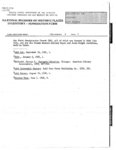
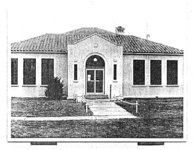
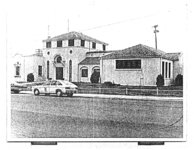
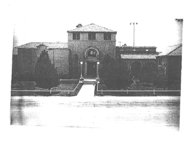
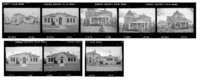
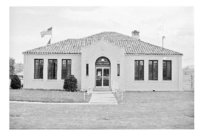
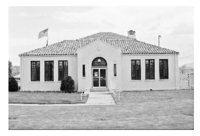
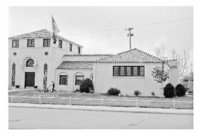
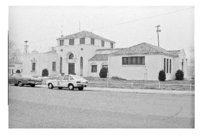
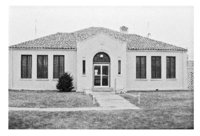
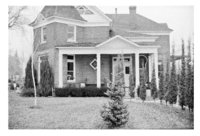
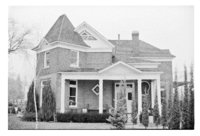
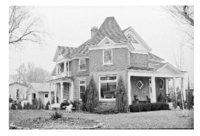
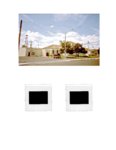
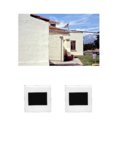
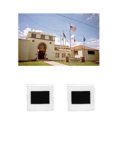
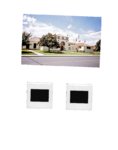
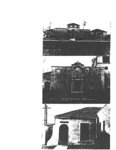
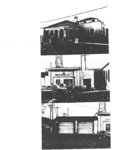
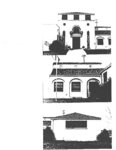
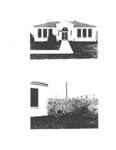
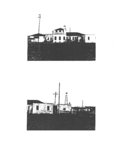
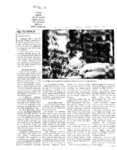
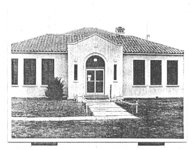
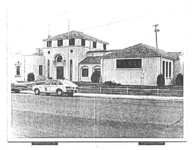
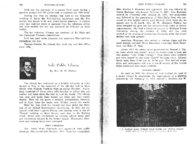
Show HISTORY OF LEHI 348 " d by the library and installed free of charge by wtherer!~:c L~~~S Club. The five large lights furnish ~dequate e l f the room A light was lighting for every nook and corner 0 • also placed in the entrance way. . . I d At the present time the library hold.s 10,400 book~ ~nc :n~ . ets of encyclopedia makmg an up-to- a e mg three new s d t t Current magazines are also splendid reference epar men . kept on the racks. t d . The library is as large and attractive as any IOcca e ~n . . A ortrait of Andrew B. arnegle, cities of correspondmg size. P ted by the Carnegie done in oil, ha~gs. on ~he ~~~. ~t wa~~:!eo~ation of his 100th Library AssoclatlO~ III 1. , I l l ~owhich we can be proud and anniversary. Our library !IS °hne ~ helped to make it the fine we should be grateful to a , w 0 ave institution it is. Central School: This was the Lehi High School in 1913. : .... ~ ',.' " . Center Street and Sixth North. At that time it housed the students in grades nine to twelve inclusive. Each year this building continued to serve its purpose until the year 1922 when it was abondoned in favor of the new, more modern, structure further down town. Sego Li"y School: This school was needed to take care of the growing number of children in the Lehi Fourth Ward area. One room was erected in 1894 and an additional room was added in 1913. It was a brick structure and was located just across the street north from the present, 1950, Fourth Ward Chapel. In 1930 the school was closed and the pupils were transferred to the Primary and Grammar Buildings which were more centrally located. Primary School Building: Crowded conditions in the lower grades of the schools of Lehi made it necessary to provide further space. As a result, in 1905, the School Board began the construction of a buPding on the west side of Center Street, between First and Second North. This was, and still is, in 1950, a sturdy structure with eight classrooms and has been in constant use since its completion. By Leo Hanson The public schools are very close to the heart of any com; nit This is due to the fact that they are an outgr.owth 0 ::ite:'public interest and effort. They are anteXTP~essl~:~!d~ d d' f r growth and advancemen . ey ~~:p~:e;:: an:s::~ir~tionS of an already established cultur~. for yet greater and broader achil>vements for future genera IOns. Grammar School Building: This school house was completed in 1910 and was made of cream colored brick. There were orginally eight classrooms in the two-story building, but an · extra room was added by utilizing a portion of the upstairs hallway and a small storage room. These nine rooms are filled to overflowing at the present time, 1950, and appear to have many more years ·of service in them. The schools of Lehi had their beginning in 1851. MoS; umble indeed was this pioneer school. Howe~er, the cultura :nd educational ideals of a sturdy and dete;mmed people . we~ woven into the activities within this humb e log str:tctu~ e to d deal of wholesome sentiment naturally was. a ac e d gO? h i d to the many incidents which occurre thiS first sc 00, an within its walls. And this is as it should be. d children of Lehi city. 349 It was located on the northeast corner of the intersection of The Lehi Schools.-' 1913-1950 1913 The year of 1913 found the following schools serving the THE LEHI SCHOOLS Franklin School: This building was located on the west side of Fifth West at the intersection with State Street. It was erected in 1875 to accommoda te the growing number of children in the New Survey area. It served a'most continuously until the year 1927 when it was closed in order to more closely consolidate the schools in the interests of better schooling and additional advantages not possible otherwise. h SCHOOL BUILDINGS IN :: ',-:" New West School: Any history of the schools of Lehi would be incomplete if mention were not made of this school. Many excellent pupils entered and profited by instruction within its walls. It was erected in 1883 by the New West Educational Commission, with headquarters in Boston, Massachusetts. The location selected was on the south side of Main Street between Center and First West Streets. |