| OCR Text |
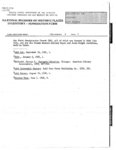
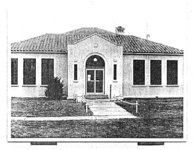
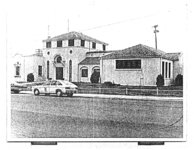
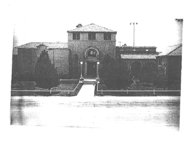
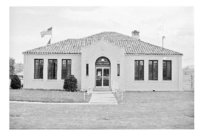
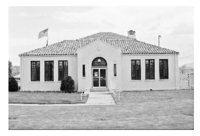
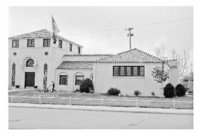
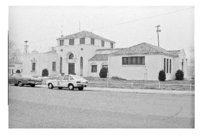
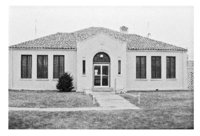
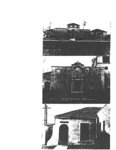
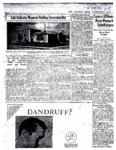
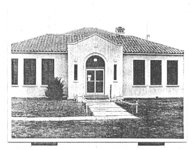
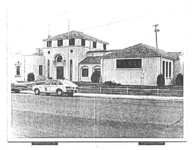
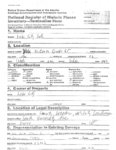
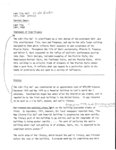
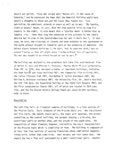
Show FHR-8-300A (11/78) UNITED STATES DEPARTMENT OF THE INrERIOR HERITAGE CONSERVATION AND RECREATION SERVICE NATIONAL REGISTER OF IDSTORIC PLACES INVENTOR Y -- NOMINA TION FORM CONTI NUATION SHEET ITEM NUMBER ' 8 PAGE 2 In November 1917, the Carnegie Foundation granted $10,000 for the erection of a free public library in Lehi, with the stipulation that thecit:y coureil agree4to a resolution to maintain it at a cost of not less than $1000 per , ~&. - ~ ! Originally the lehi Library Comnission envisioned a separate building for the library, but as plans for the Memorial Hall eme-rged, it seemed logical to house the library in it, and in August 1920 the Carnegie Foundation approved that · plan. 5 The building was completed in its entirety in May 1926 and a dedicatory service was held on Memorial Day, May 31, 1926. Preceeded by a band coocert and a 21 gtm salute by the Lehi National Guard, the service itself featured remarks by fonner mayor Joseph Brimhall, under whose administration .c onstruction of the building hadbegtin, and Salt l.ake City Mayor Clarence Neslen. The main speaker was Governor of Utah Geo-rge Dern. The people of Lehi should be proud of their men who served during World W& I, he said. That pride should lead them to resolve that the cause for which they died - should not perish. Those whO served were ''Heroes all, ' in the cauSe of trumanity ," and he expressed the hope that the Memorial Building would turn people's thoughts to those men and the cause they fought for. True patriotism, he continued, extends to peace as well as to war. 'My Country, right or wrong , " meant, he said, that the true patriot' b;i.eg to keep his _ country in the right. It also meant that a "glorius death is better than an ignoble life." Dern then drew the attention of his audience to the ideals .America bad in view in the Spanish-American War and in World W& 1. In each case, he said, the blessings of liberty had been extended to the oppresssed of the earth witmut thought of financial gain or the extension of daninion. The United States entered \V'orld \V'ar I, he said, "not to save her skin," but to . .. extend liberty so that all might enjoy freedom withou~ fear of oppression. The war was fought in an effort to put an end to war • . The building was designed by the prominent Salt · Lake City architectural ·finn of Walter E. Ware and Alberto O. Treganza. During their 25 year pm:tnership, from 1901 to 1926, they designed a number of important buildings, including the Utah Savings and Trust Building (NR), the Ccmnercial Club building (NR), the Ladies Literary CLub (NR), the Mat;hew H. Walker Residence (NR) the William H. McIntyre residence (NR), ~ University Club, St., Mark l s Hospital, the IDS 17th Ward, the Exposition Buildog at the State Fair Grounds (NR), and |