| OCR Text |
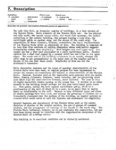
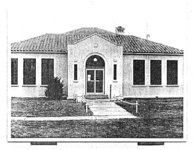
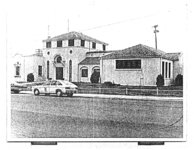
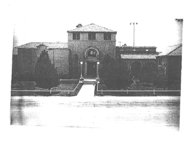
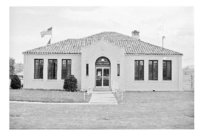
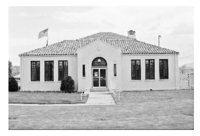
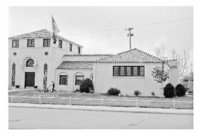
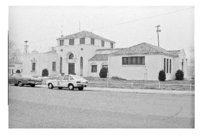
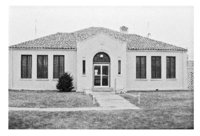
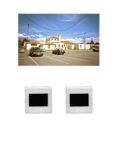
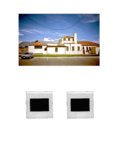
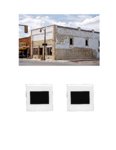
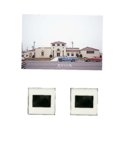
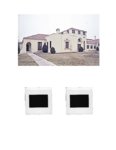
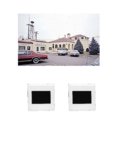
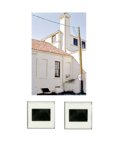
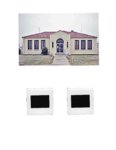
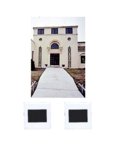
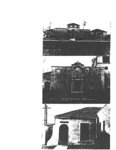
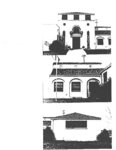
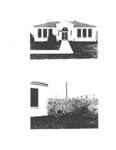
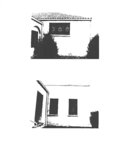
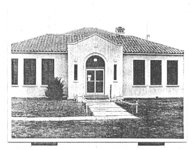
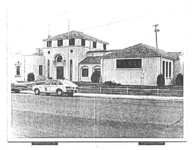
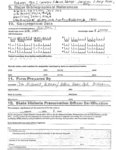
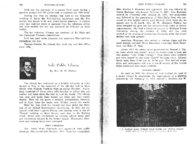
Show . ' 8. Significance Period _ ' prehistoric _1400-1499 _1500-1599 _1600-1699 _1700-1799 _1800-1899 ---.ll 1900- Specific dates Areas of Significance-Check and justify below _ archeology-prehistoric _ community planning _ archeology-historic _ conservation _ agriculture _ economics ~ architecture _ education _art _ engineering _ exploration/settlement _commerce _ communications _ industry _ invention 1918-1926 Builder/Architect _ landscape architecture_ religion _law _ science _ literature _ sculpture _ military _ sociaJl _ music humanitarian _ philosophy _ theater ---.:....:: politics/government _ transportation -'- . - _ other (specify) /Ware and Treganza Statement of Significance (in one paragraph) The rehi City Hall was constructed at an approximate cost of $55,000 between December 1918 and May 1926 as a Memorial Building to rehi's World War I veterans. Construction began two weeks after the Armistice was signed, and is reputed to be the first such building in the United States. It was intended to be used as a city. hall, museum, ·and public library. The lehi City Hall is significant as a late design of the prominent Salt lake City architectural firm., Ware and Treganza., and may be the only large building designed by them which reflects their exposure to ancI ,acceptance, of :the 11ission Style.• : . .. ',. Throughout the life of their partnership, Alberto o. Treganza. and Walter E. Ware responded to the influx of stylistic preferences pouring into Utah. Their designs, included examples of the Prairie Style, the Renaissance Revival Style, the Craftsman Style, and the Mission StyIe. While this building is an eclectic blend of elements of the Mission Style rather than a pure form, it reflects what can happen toa particular style in the hands of architects who are open to a variety of influences. Work on the building began in. 1918, and for reasons not entirely clear proceeded sloWlX at first. By September, 1921, however; the local ' newspaper reported that, 'The New Library-City Hall and Merrorial Building is progressing now more rapidly. The library part of the building is up and the ' roof on the remainder of the building is being pushed rapidly. • • The work of enclosing the entire building tinder roof and putti~ in of windows, doors; etc. is expected to be. completed before winter. "I '. . The north ~ of the library, which housed the public library, was finished before the rest of the buildi~. A program marking its cexnpletion was held December 30, 1921. MayorJames H. Gardner delivered the opening remarks, and Levi Edgar Yo~, Professor of History at the University of Utah,spoke on the historical and beneficial effects the library might bring. The library began operation in January 1922, with Sylvia Bushnan as Jibraq..cln.2 ;, ;. Until 1910, Lehi had nopub~ic library,~ , In that year, the Lehi City CotmCil established a public library and readi~ room in the old Senate Building on Main Street, next to the Darling Hotel. In 1914, the city 1:xmght the Samuel J. Taylor House and moved the library there. It soon became clear, however, that larger facilities were needed. In the spring of 1917, the City CotmCil named a Library Commission to investigate the financing of a new public library through a grant from the Carnegie Foundation. Bet:Y.een 1898 and 1920, more that 1400 free public libraries were established throughout the United States through grants from Andrew Carnegie, a multi -millionaire steel magnate who felt that the rich had an obligation to use their excess wealth for the betterment of mankind. Twenty three Carnegie Libraries ,were established in Utah. Carnegie was particularly impressed with the value of public libraries, seeing them a~ a means of ''moral elevation" and an agency for alleviatir:g socials ills. j |