| OCR Text |
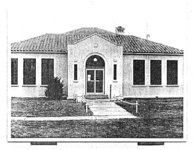
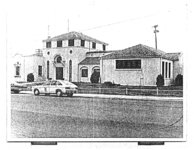
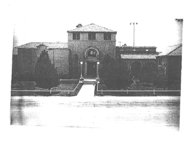
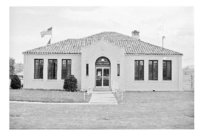
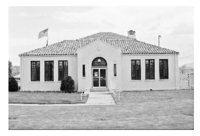
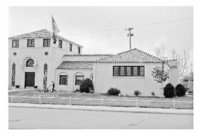
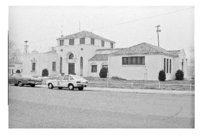
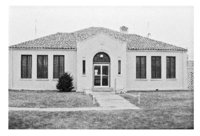
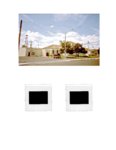
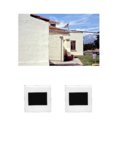
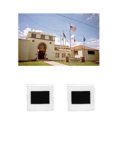
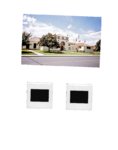
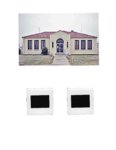
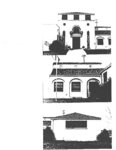
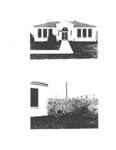
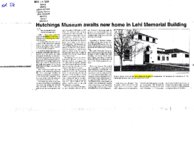
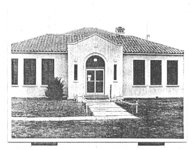
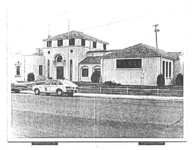
Show useful as a storage area for a future art gallery or museum. Other than improvements to the utility systems, and ceiling of the boiler room, no other work is presently needed. CONCLUSIONS, COMMENTS AND RECOMMENDATIONS The Memorial Hall is more than a significant piece of architecture. Built in the early 1920's from the designs of one of Utah's leading architectural firm, the building is sound and offers many decades of future usefulness. Although worn and showing its age in some areas, the Hall is in good, salvageable condition overall. Because so much of the building can be reused with little or no additional cost (the infrastructure, superstructure, electrical system windows, stairs, walls and ceilings, ornamental features, etc.). These reusable elements constitute approximately 30% or more of the cost of comparable new construction. That is, the Memorial Building can be renovated/restored for 30-40% less per square foot than it would cost for new construction. The savings inherent in renovation will allow the City to either renovate the same number of square feet as needed in a new building while saving 30-40% of the cost, or renovate more square footage in the Memorial Building than would exist in a new building, but at no additional cost. The latter option would allow the City to find other uses for the library and ambulance spaces on the Memorial Building. The library area (and loggia) could be converted to a City Art Gallery like the one in Springville or a museum or some other public use. The Ambulance Room could be used for the expansion of city offices and services, or for some other public or private use. Renovating the Memorial Building, therefore, provides the triple benefits of cost savings, greater mixed-use and expansion poSSibilities, and the restoration of a significant historical and architectural resource. Our cost study proposes a two-phased renovation/restoration. Phase I would address immediate needs and result in the finished product that be usable as a modern, functional City Hall. The spaces designed in the schematic floor plan are equivalent in number, size, convenience and quality to those planned for a new building. The major Phase I expenses would be for heating system upgrade, energy conservation upgrade, refinishing and repainting exterior and interior plaster, remedial structural upgrade, roof repairs, insulating, restroom upgrade, barrier-free accessing, security and fire alarm systems and the addition of new offices to make the floorplan as a City Hall. 12 |