| OCR Text |
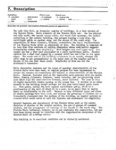
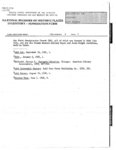
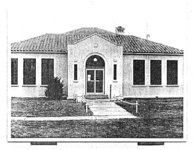
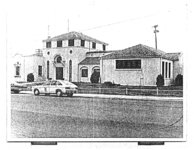
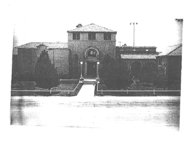
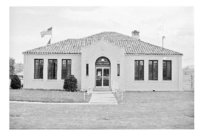
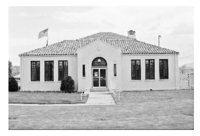
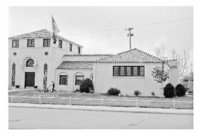
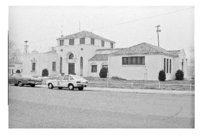
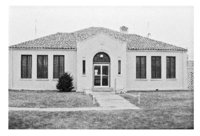
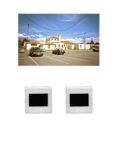
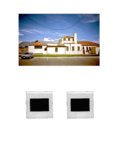
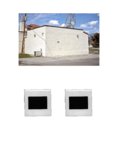
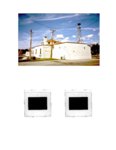
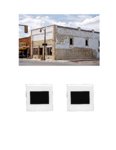
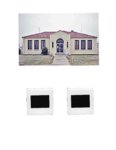
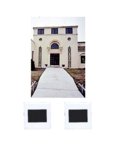
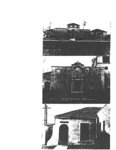
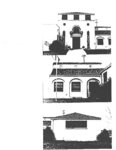
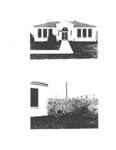
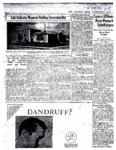
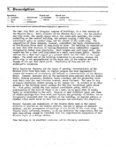
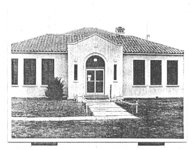
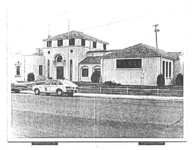
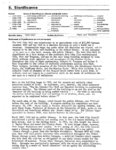
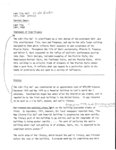
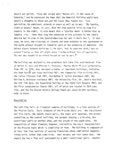
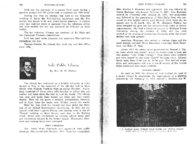
Show 346 LEHI PUBLIC LIBRARY HISTORY OF LEHI 347 DEDICATION OF LIBRARY A program markin g the opening of the new Carnegie Library was held in the 'high school auditorium (former Lehi Tabernacle), Friday, December 30, 1921, at 2 :00 p.m. Mayor James H. Gardner gave the speech of presentation and the dedicatory prayer was spoken by Andrew B. Anderson. The master of ceremonies was Senator Edward Southwick; Bishop R. J. Whipple offered the opening prayer. Profess::r Levi Edgar Young spoke on the historical and beneficial effects the library might bring. Professor Joseph F. Smith played an organ so·o. Other features included: music by the high school chorus; the history and origin of the Lehi Library given by .J oseph A. Anderson; a vocal solo by Jennie Welsh; and the ceremonial march to the library was led by the high school band. The library commenced operation in January, 1922, with Sylvia Bushman as librarian. It was built and prepared for use at a total cost of $10,377.45. All books were turned in from the former library. A budget was set up by the city, and purchasing of books and magazines began. The library is a beautiful and worthy project and was built in connection with the Memorial Building (City Hall). LEHI CARNEGIE UBRARY. 1950 Karl Hopkins met with the Lehi City Coun.cil ~nd Mr. ~opkins presented a proposition whereby a Carnegie Library ml gh~ be secured. This was approved . The first public libra~y committee was composed of Mayor William F. Gurney and SIX other, ap-poihtedJul~ -'12, 1917. , Appointed for two year terms. were Samuel 1. Goodwin and Abel John Evans ; four year term. Heber Bennion, Jr., and Sydney Gilchrist; six year term, J. E. Cotter and Joseph A. Anderson. Mr. Goodwin was chosen as chairman with Joseph Anderson as secretary and treasurer. Others were appointed as their terms expired. A letter dated November 7, 1917 promised the appropri~t~on of $10,000 for the erection of a free p~blic Iibra.r y , .pr~vldmg the city council would agree by resolutIOn to mamtam . It at a cost of not less than $1,000 per year. The letter was wrItten by James Bertram, secretary of the Carnegie Corpora!ion of New York. The city council complied with all requirements. The corporation was not in favor of the combination library and city hall, but agreed upon the condition that the library be kept distinct from the other building and a separate fund maintained. One mill on the dollar was the appropriation agreed upon by the city council. During the war years building plans lagged, but in January, 1920, the present site was accepted and .work was '.S;~Jted, with Walter Dickerson in charge of constructIOn and Wllha~. Knight supervising the cement work. Committ.ees, we~e later appointed to purchase the desk, tables, and chaIrs In time for the dedication. PHONOGRAPH RECORDS In 1924 phonograph records were placed in the library for lending, but this lasted only a short time during the popularity of phonographs. THURMAN MEMORIAL o o With the permission of the library board, the D. J. Thurman Memorial shelf was started in 1926 with a contribution of 28 volumes through the courtesy of Mrs. Elgiva E. Thurman, Miss Ida Thurman, and Mrs. lone Gilchrist. RELIEF SOCIETY SHELF In 1930 a shelf for Relief Society literature and reference books was set aside at the request of the Relief Society. MOVABLE SECTIONS o To accommodate the increased number of books, two movable sections were built. In January, 1950, a section of corresponding size was built and presented by the Junior Chamber of Commerce. It holds over 600 books. Another section was promised for the near future. LIGHTING A major step forward in the lighting of the library was accomplished in November, 1949. Attractive fluorescent lights |