| OCR Text |
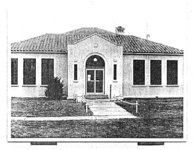
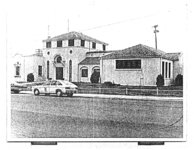
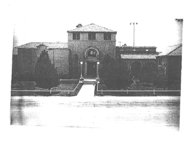
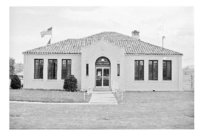
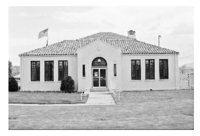
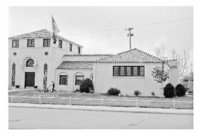
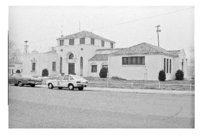
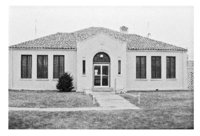
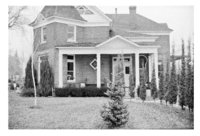
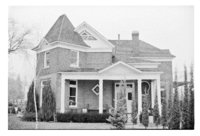
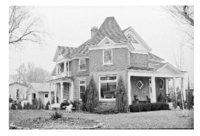
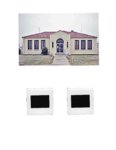
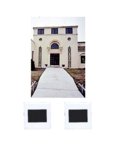
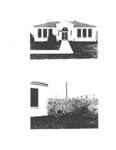
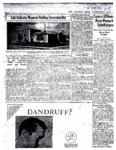
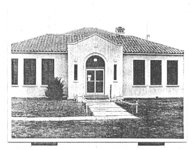
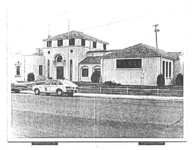
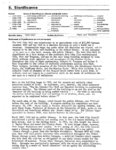
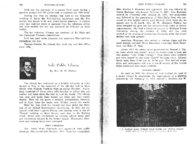
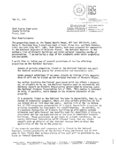
Show December 30, 1971. Mayor James H. Garrlner rlel i vered the openin~ remark s , an n Levi Edgar Young, Professor of Histo~y at the University of Utah, spo~e on the historical and beneficial effects the library might hrin~. The lihrary hegan operation in January 197::>, with Sylvia Bushman as lihrari an.? Until 1910, Lehi had no public lihrary. In that year, the Lehi City rouncil established a public library and rearling room in the old Senate Building on Main Street, next to the Oarling Hotel. In 191 4 , the city hought the Samuel J. Taylor House and moved the lihrary there. It soon hecame clear, however, that larger facilities were needed. In the spring of 1917, the rity rounc il named a Library Commission to investigate the financing of a new public library through a grant from the Carnegie Foundation. Between 1898 and 197.0, more that 1400 free public libraries were established throughout the Uniterl States through grants from Andrew Carnegie, a mul ti -mill i onai re steel magnate who felt that the rich had an obligation to use their excess wealth for the betterment of mankind. Twenty three Carnegie Libraries were estahlished in Utah . Carnegie was particularly i mpressed with the value of public lib raries, seeing them as a means of "moral elevation" and an agency f or all eviating socials ills. In November 1917, the Carnegie Foundation granted $10,000 for the erection of a free public library in Lehi ~ with the stipulation that the city council agree to resolution to maintain it at a cost of not less than $1000 per year. Originally the Lehi Lihrary rommission envisioned a separate building for the library, hut as plans for the Memorial Hall emerged, it seemed logical to house the library in it, and in August 19?O the Carnegie Foundation approverl that plan. The building was completerl in its entirety in May lQ26 and a dedicatory servi ce was held on Memori a1 [lay, ~1ay 31, 19?€i. Preceeded by a ~anrJ concert and a 21 gun salute by the Lehi National Guard, the service itself featured remarks by former mayor Joseph Brimhall, under whose administration construction of the building had hegun, and Salt Lake City r~ayor Clarence Neslen. The mafn speaker was Governor of Utah George ne~n. The people of Lehi should he proud of their men who serverl during World' War I, he said. That pride should lead them to resolve that the cause for which they died |