| OCR Text |
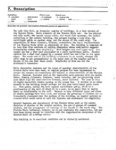
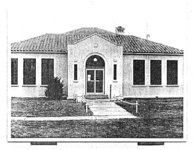
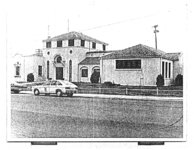
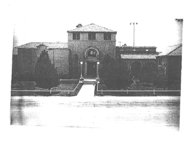
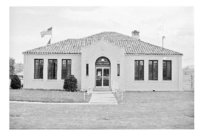
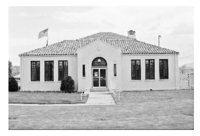
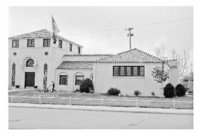
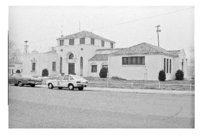
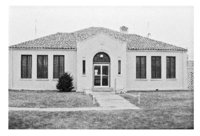
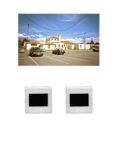
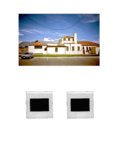
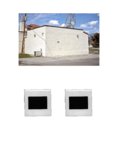
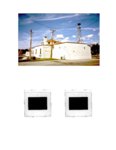
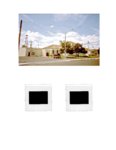
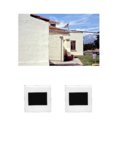
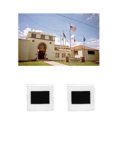
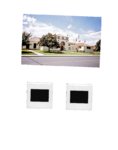
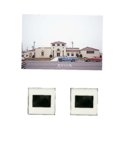
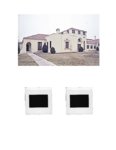
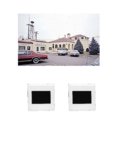
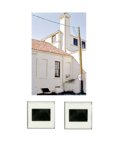
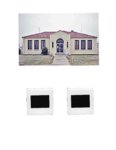
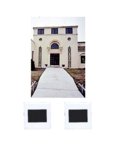
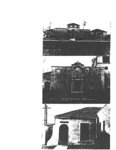
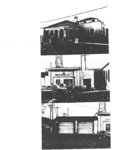
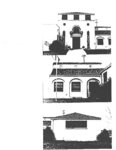
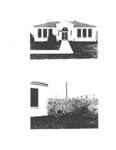
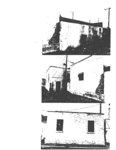
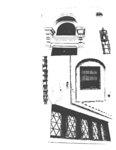
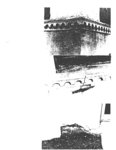
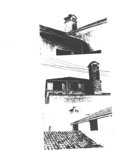
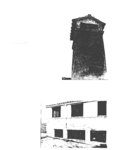
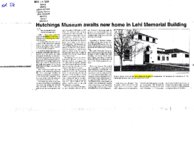
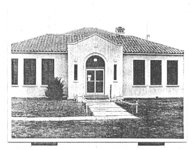
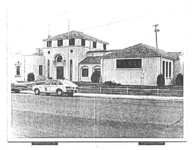
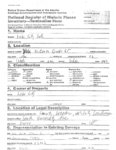
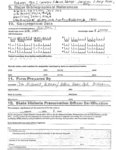
Show LEHI MEMORIA'L BUILDING HUTCHINGS MUSEUM OF NATURAL HISTORY Constructed: 1920-26 Address: 100 North Center Present owner: Lehi City Corporation Lessee: John Hutchings Museum of Natural History W. A. Knight first raised the idea of a Lehi Soldier's, Sailor's, and Marine's Memorial Building five weeks after the signing of the armistice to end World War I. During a late 1918 committee ' meeting, Mayor Gilchrist invited Knight to present his ideas regarding the building proposal. Knight envisioned a "structure suited to recreation(,] amusement and instruction" which would contain .~- \·~/'clUbrOOms. a 1ilUseUiD- liicf' sWimiiiin pool." 'A Gkritan c8Mc'm" 'fur pJacmu!t near the' , building's entrance was also desired. The first steps towards construction of the building began in March of 1919, Public subscription for excavation work was sufficient to begin the basement. The Pavilion at City Park (the Lehi Rodeo Grounds), was demolished and materials salvaged for the Memorial Building. In early 1919 new architects Walter E. Ware and Alberto O. Treganza drew up new plans to incorporate only a memorial hall, a city hall and a public library. The Carnegie Foundation's $10,000 grant allowed the library to be completed for its 30 December 1921 dedication. Progress on the other two sections of the building was slower. The entire structure was not completed until the administration of Mayor Joseph S. Broadbent. Dedication services for the $55,000 center, the first municipal facility in America erected to the memory of World War I veterans, were held on Memorial Day, 31 May 1926, Like other civic buildings in Lehi's history, the Memorial Building has served a wide variety of public interests. City council meetings, court proceedings, public assemblies, political primaries, mass meetings, elections, community fairs, and Lehi Garden Club shows have been held there, The basement, with connecting kitchen facilities, originally served as a recreation hall. In the ensuing years it has served as a W.P.A. sewing center, a school lunch facility, the local national guard armory, a shooting gallery for the National Rifle Association (N.RA.), the Lehi Senior Citizen Center, and headquarters for the local American Legion organization, and Lehi Veteran"s Council. .;<,,;~ -;. ~ >..... ",~ 1 02 The second-story room above Memorial Hall, in addition to being used by the veterans, also served for many years as the office for the Alpine Soil Conservation District. Later it was used . _primarily for library storage. During the Cold War era of the late 1950s and early 1960s, a GroUnd Observation Corps facility was constructed on the -" 'roofto obse_rye aircraft flying in the vicinity. :.J~-:::::= ' ,-'J1ie first structural change to the MerriOiial =-Building on the in 1930. City fathers originally intended to raze the old city hall and fire station on Main Street as soon as work began on the Memorial Building. But this wasn't done until 1938. Materials from the razed structures were used to construct a new fire station south of the Memorial Building's jail.. In 1957 a new $32,000 fire station was built on the east side of Center Street opposite the Memorial building. The earlier station was remodeled into a jail while the older one became a storage room, In 1979 Lehi City purchased the old Fifth Ward Church building and remodeled it into a civic center and Senior Citizens Center. Mayor George Tripp's administration in 1988 announced long-term plans for future city buildings, Work began in the spring of 1989 on a new Public Safety Building (police and fire departments and municipal court) on the former site of the old Lehi Junior High School building--just north of the new Lehi Public Library, A new city administration building was then built just north of the old Lehi Civic Center (Fifth Ward building). For a time after city offices vacated the Memorial Building its only tenant was the Lehi Veterans Council. In 1996, after a $450,000 restoration, thefacility re-opened as the new home of the John Hutchings Museum of Natural History, The impressively distinctive Memorial Building, with decorative features and openings characteristic of the Spanish-mission style of architecture, is now on the National Register of Historic Places, ~the8ddiiioli'ofaJ8iJ soUdi'\td ~' |