| OCR Text |
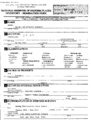
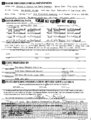
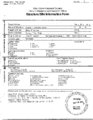
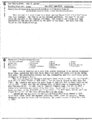
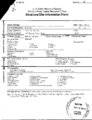
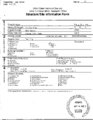
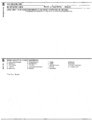
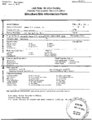
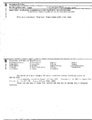
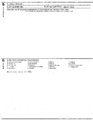
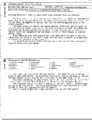
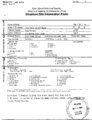
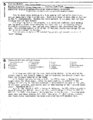
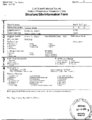
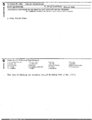
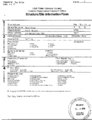
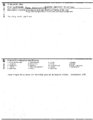
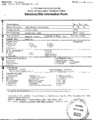
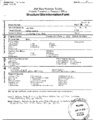
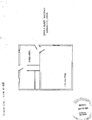
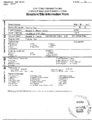
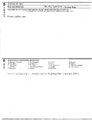
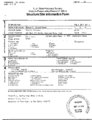
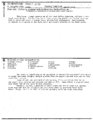
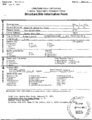
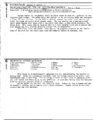
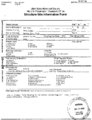
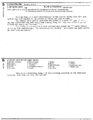
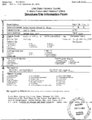
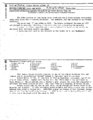
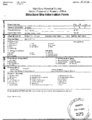
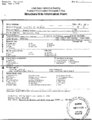
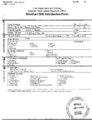
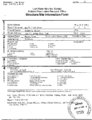
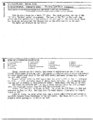
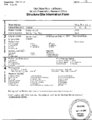
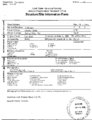
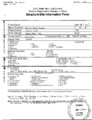
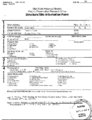
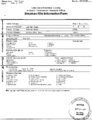
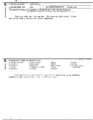
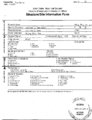
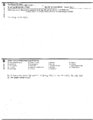
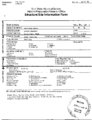
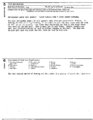
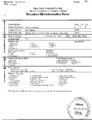
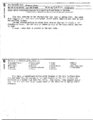
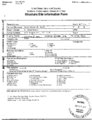
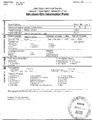
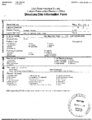
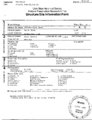
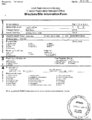
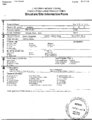
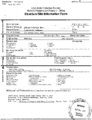
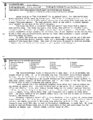
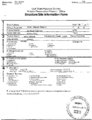
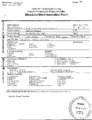
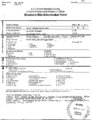
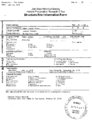
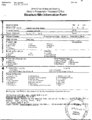
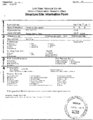
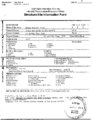
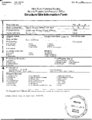
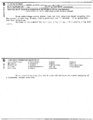
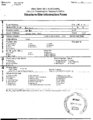
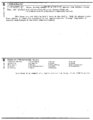
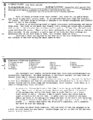
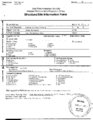
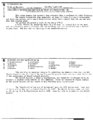
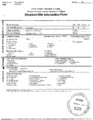
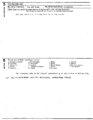
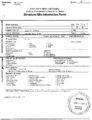
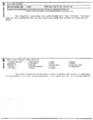
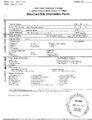
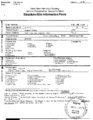
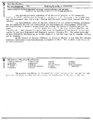
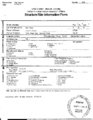
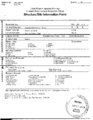
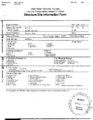
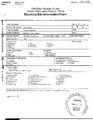
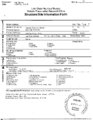
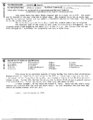
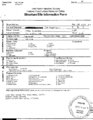
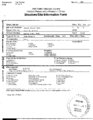
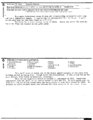
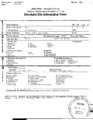
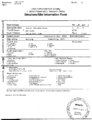
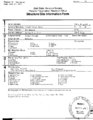
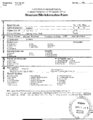
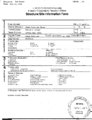
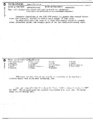
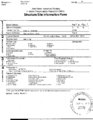
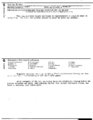
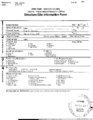
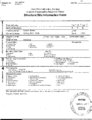
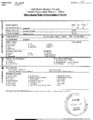
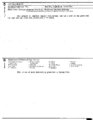
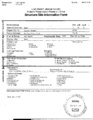
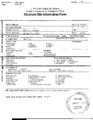
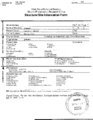
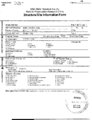
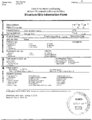
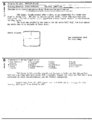
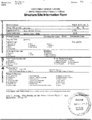
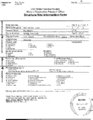
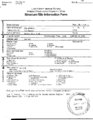
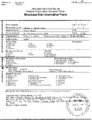
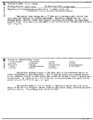
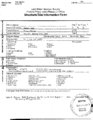
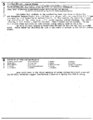
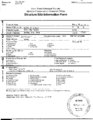
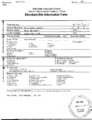
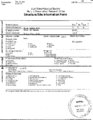
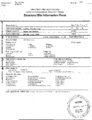
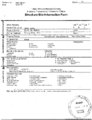
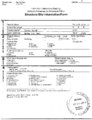
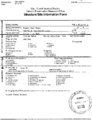
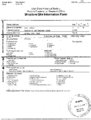
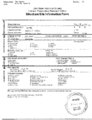
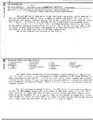
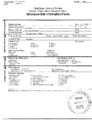
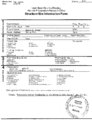
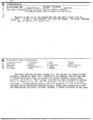
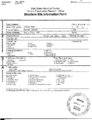
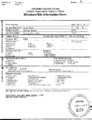
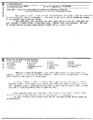
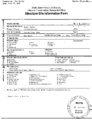
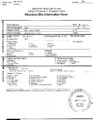
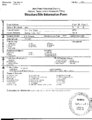
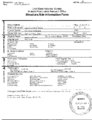
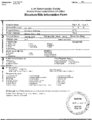
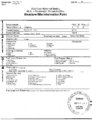
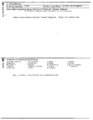
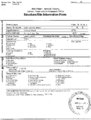
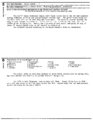
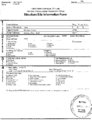
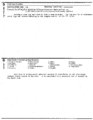
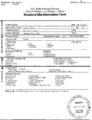
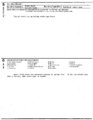
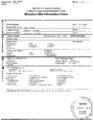
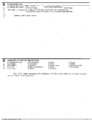
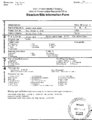
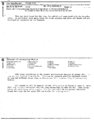
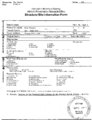
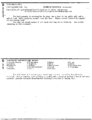
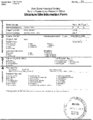
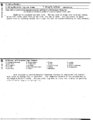
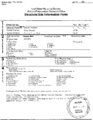
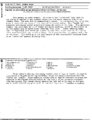
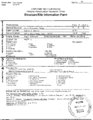
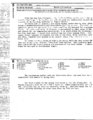
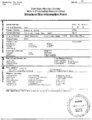
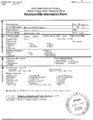
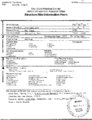
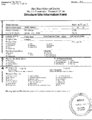
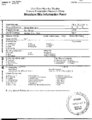
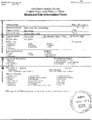
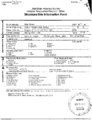
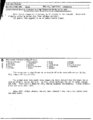
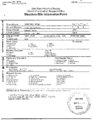
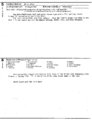
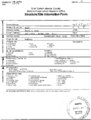
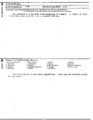
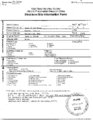
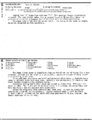
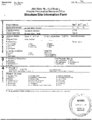
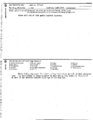
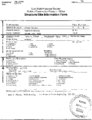
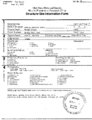
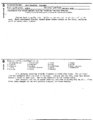
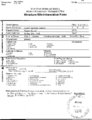
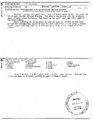
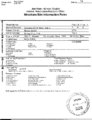
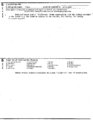
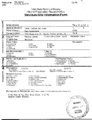
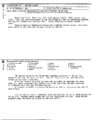
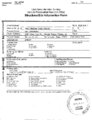
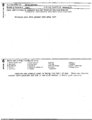
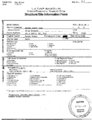
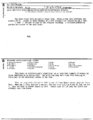
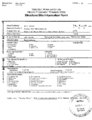
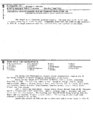
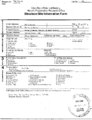
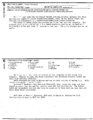
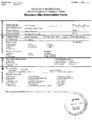
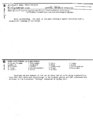
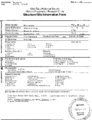
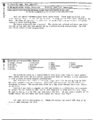
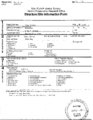
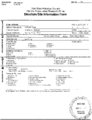
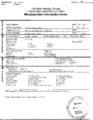
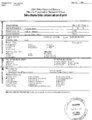
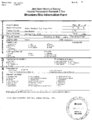
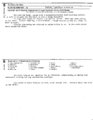
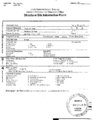
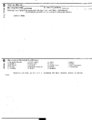
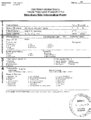
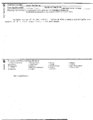
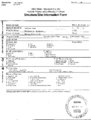
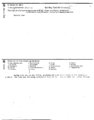
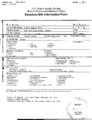
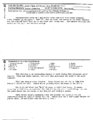
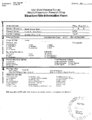
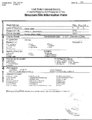
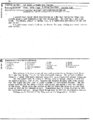
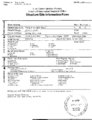
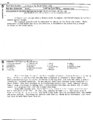
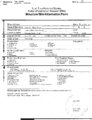
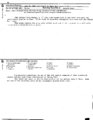
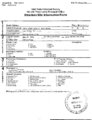
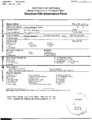
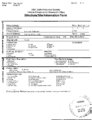
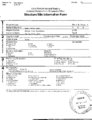
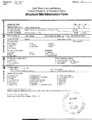
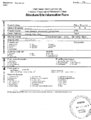
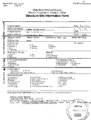
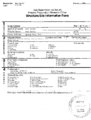
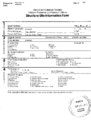
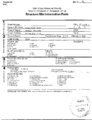
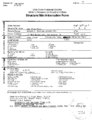
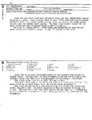
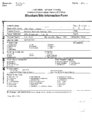
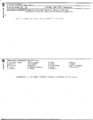
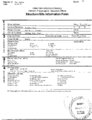
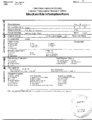
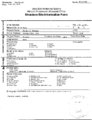
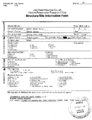
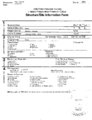
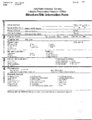
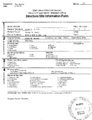
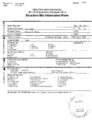
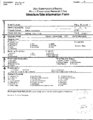
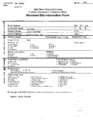
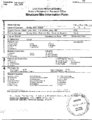
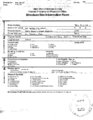
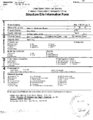
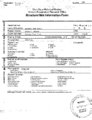
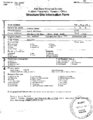
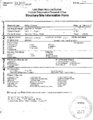
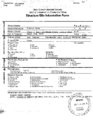
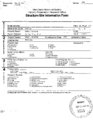
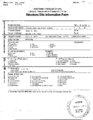
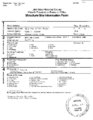
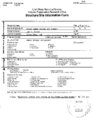
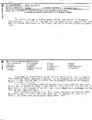
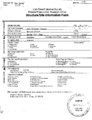
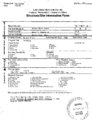
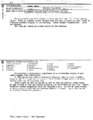
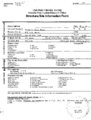
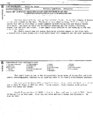
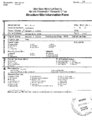
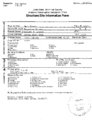
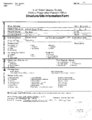
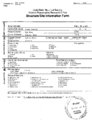
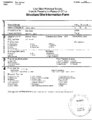
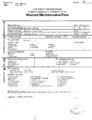
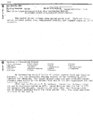
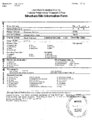
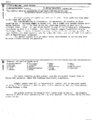
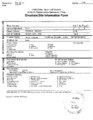
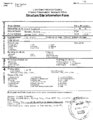
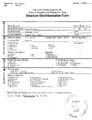
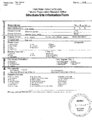
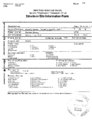
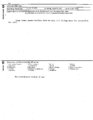
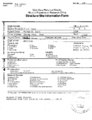
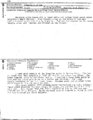
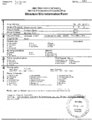
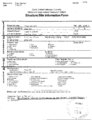
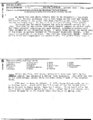
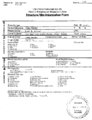
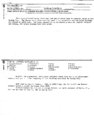
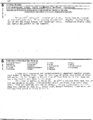
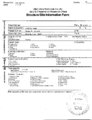
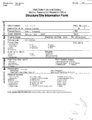
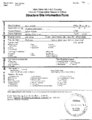
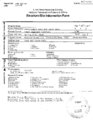
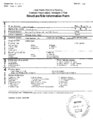
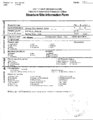
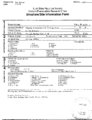
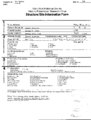
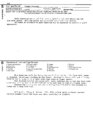
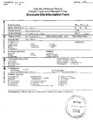
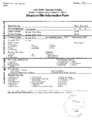
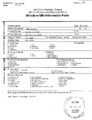
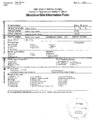
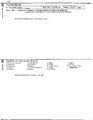
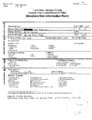
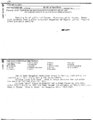
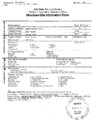
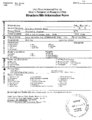
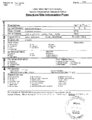
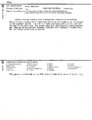
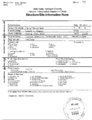
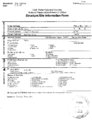
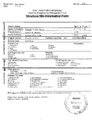
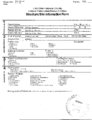
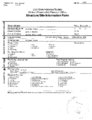
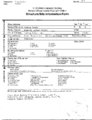
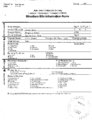
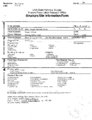
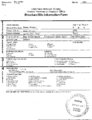
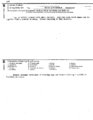
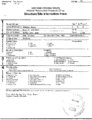
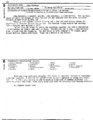
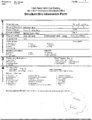
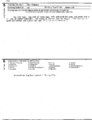
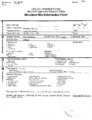
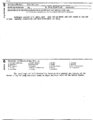
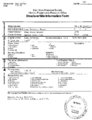
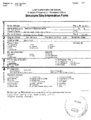
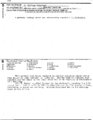
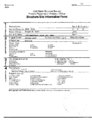
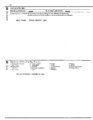
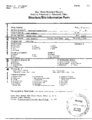
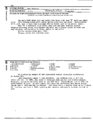
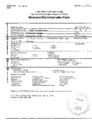
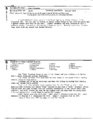
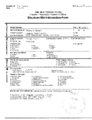
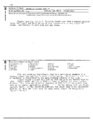
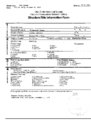
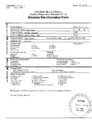
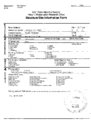
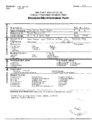
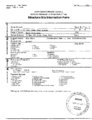
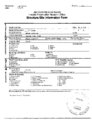
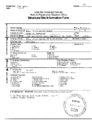
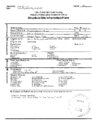
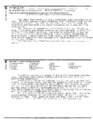
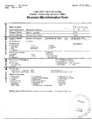
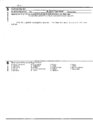
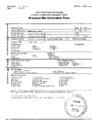
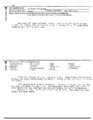
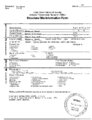
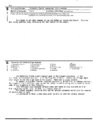
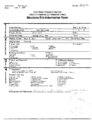
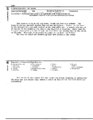
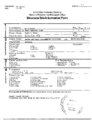
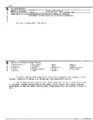
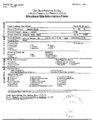
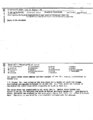
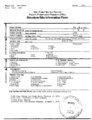
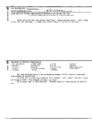
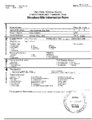
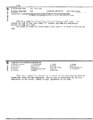
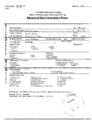
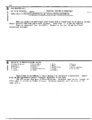
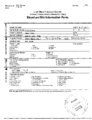
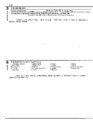
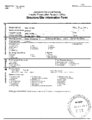
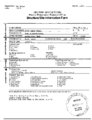
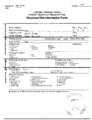
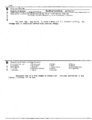
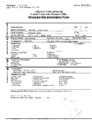
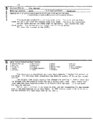
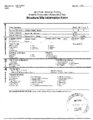
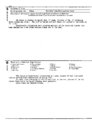
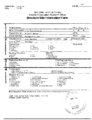
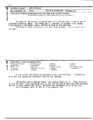
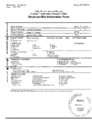
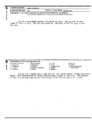
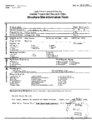
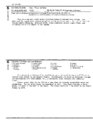
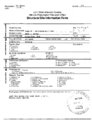
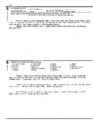
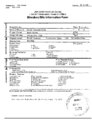
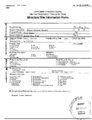
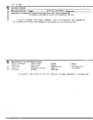
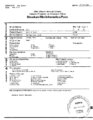
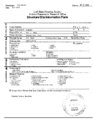
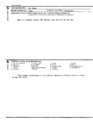
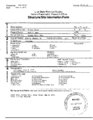
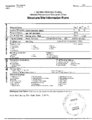
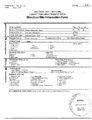
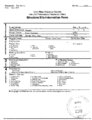
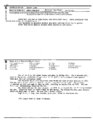
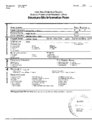
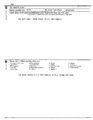
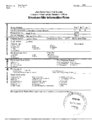
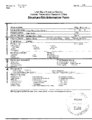
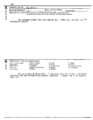
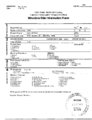
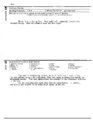
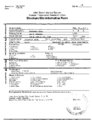
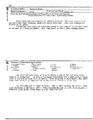
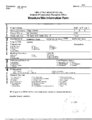
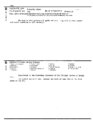
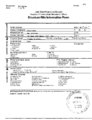
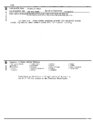
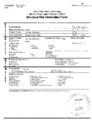
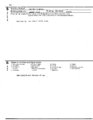
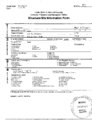
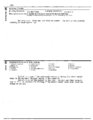
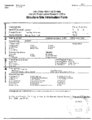
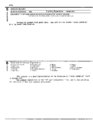
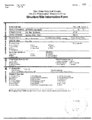
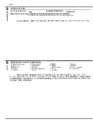
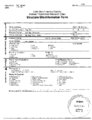
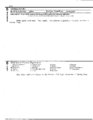
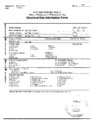
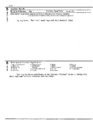
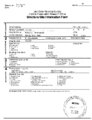
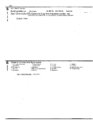
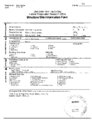
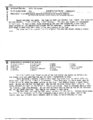
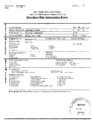
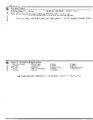
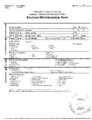
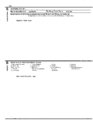
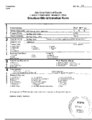
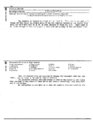
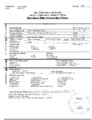
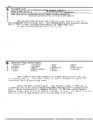
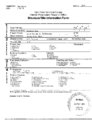
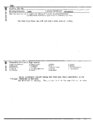
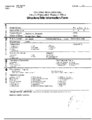
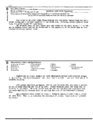
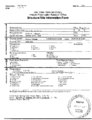
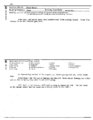
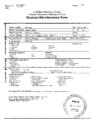
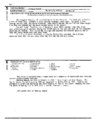
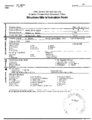
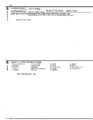
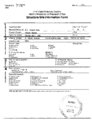
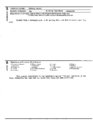
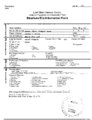
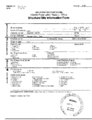
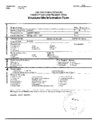
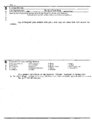
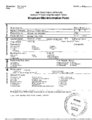
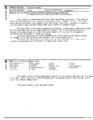
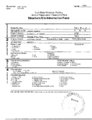
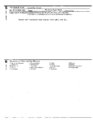
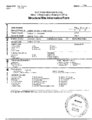
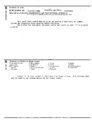
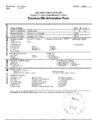
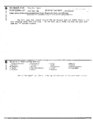
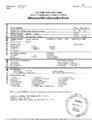
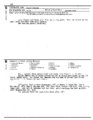
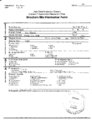
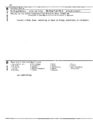
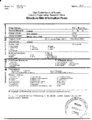
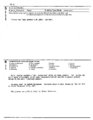
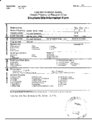
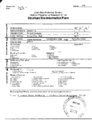
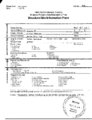
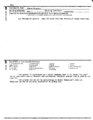
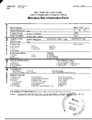
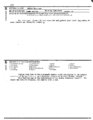
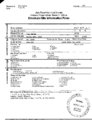
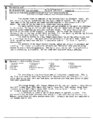
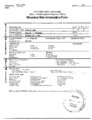
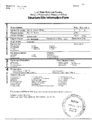
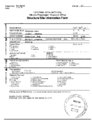
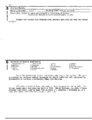
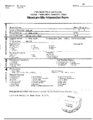
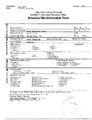
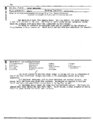
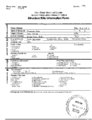
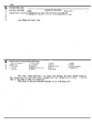
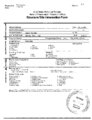
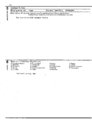
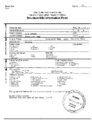
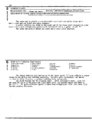
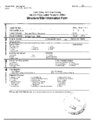
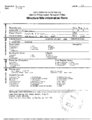
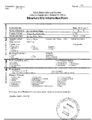
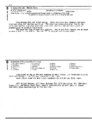
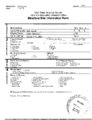
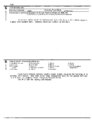
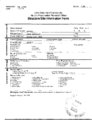
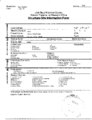
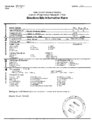
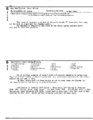
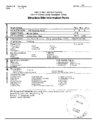
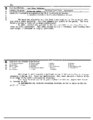
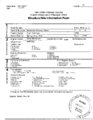
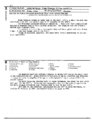
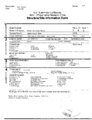
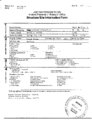
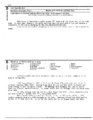
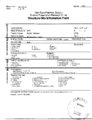
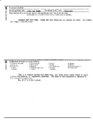
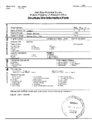
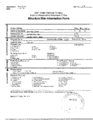
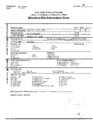
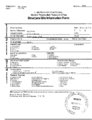
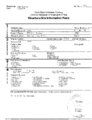
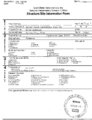
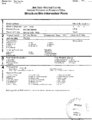
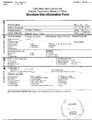
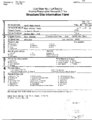
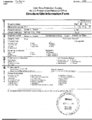
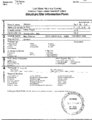
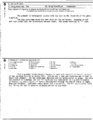
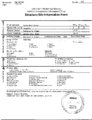
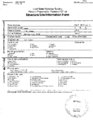
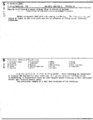
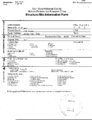
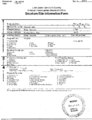
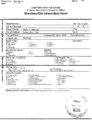
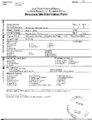
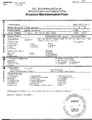
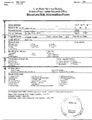
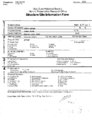
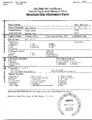
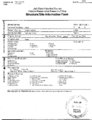
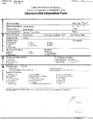
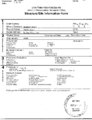
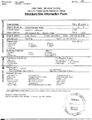
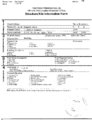
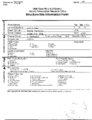
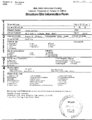
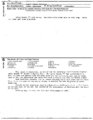
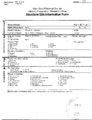
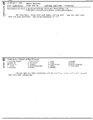
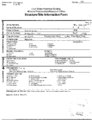
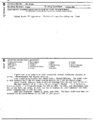
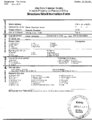
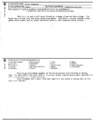
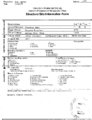
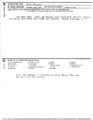
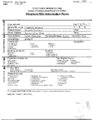
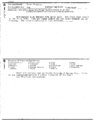
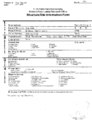
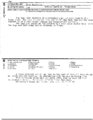
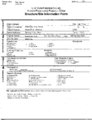
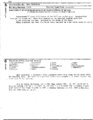
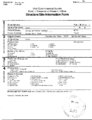
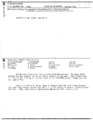
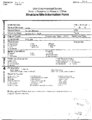
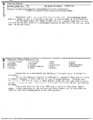
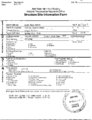
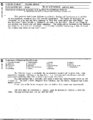
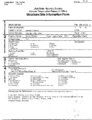
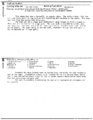
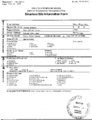
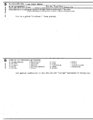
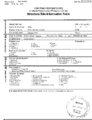
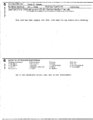
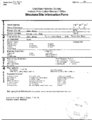
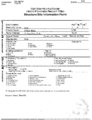
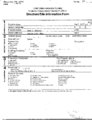
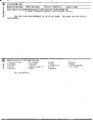
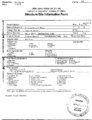
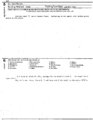
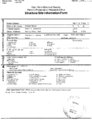
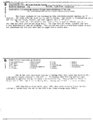
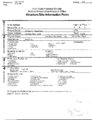
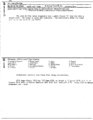
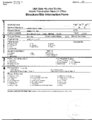
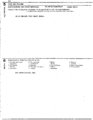
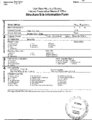
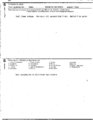
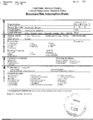
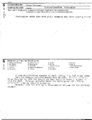
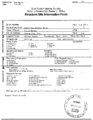
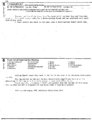
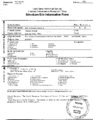
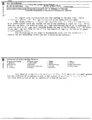
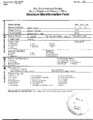
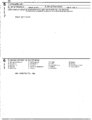
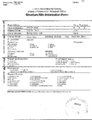
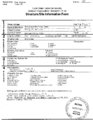
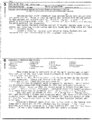
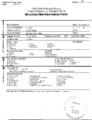
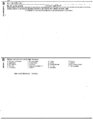
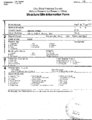
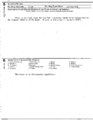
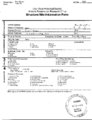
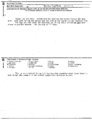
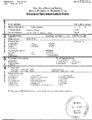
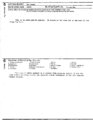
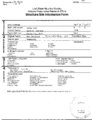
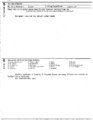
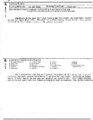
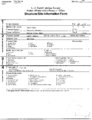
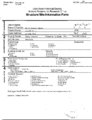
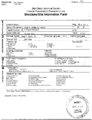
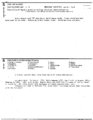
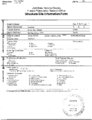
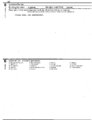
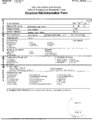
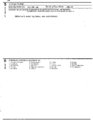
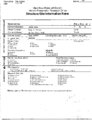
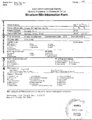
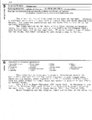
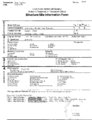
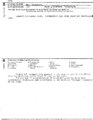
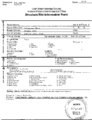
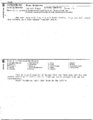
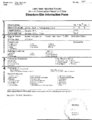
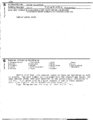
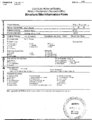
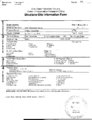
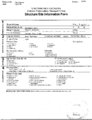
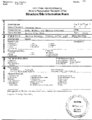
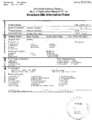
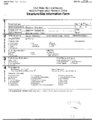
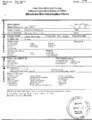
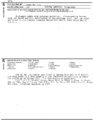
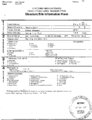
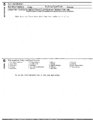
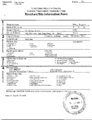
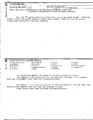
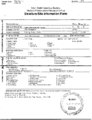
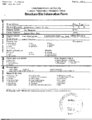
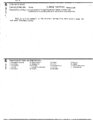
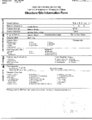
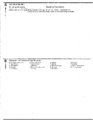
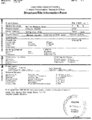
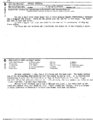
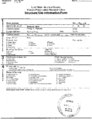
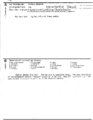
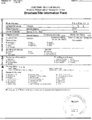
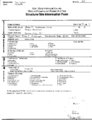
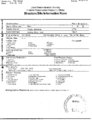
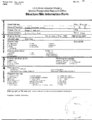
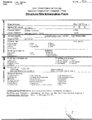
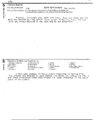
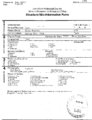
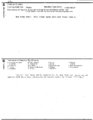
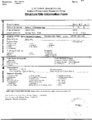
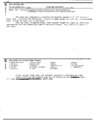
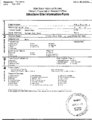
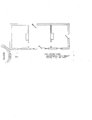
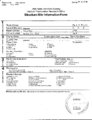
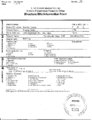
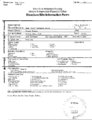
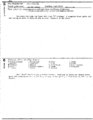
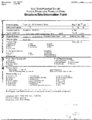
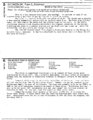
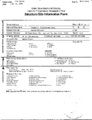
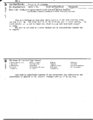
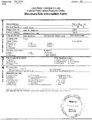
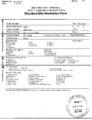
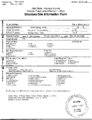
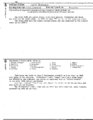
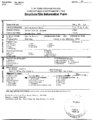
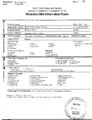
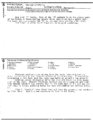
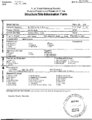
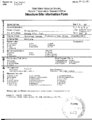
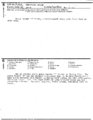
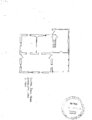
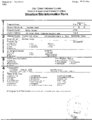
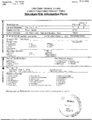
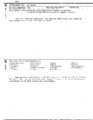
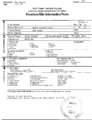
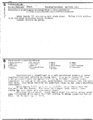
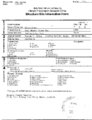
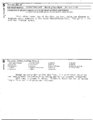
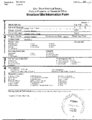
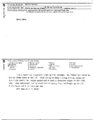
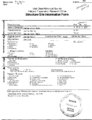
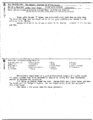
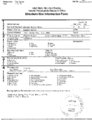
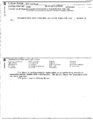
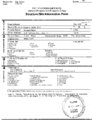
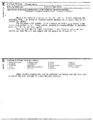
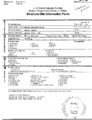
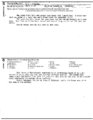
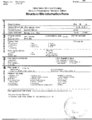
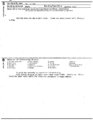
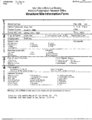
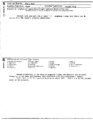
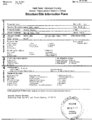
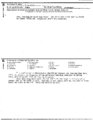
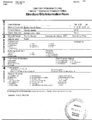
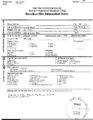
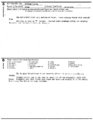
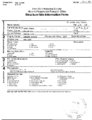
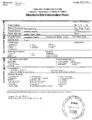
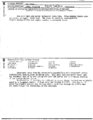
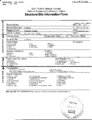
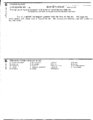
Show Architect/Builder: Thomas G. Christensen u,OC £ jjj Building Materials: stone Building Type/Style: vernacular' Description.of physical appearance & significant architectural features: ___ " ---•--'•-•----'--'--------------------------------------•---------------------------------------------------- (Include additions, alterations, ancillary structures, and landscaping if applicable) c« This is a very unusual house plan (see drawing). It conforms to none of the < standard house plans found in Spring City and is itself an enigima. The house is plastered stone with the gables of adobe. The facade was originally a four-opening asymmetrical pattern with an internal stove flue. The basic plan is three rooms, one long room on the north with two smaller rooms on the south. In the 1940's alterations occurred which disguise effectively the original intentions of the builder. A bathroom was added to a central location and the front door was closed up. After the alterations, the only access was through the rear. The "old Christensen House" is a unique architectural feature of the Spring City material cultur landscape. It has been abandoned for some twenty years and shows vividly the signs of neglect. g |£ O </> E Statement of Historical Significance: D Aboriginal Americans D .Agriculture or Architecture D The Arts D Commerce D D D D D Communication Conservation Education Exploration/Settlement Industry D D D D D Military Mining Minority Groups Political Recreation D D D D Religion Science Socio-Humanitarian Transportation This house is significant historically as an example of Scandinavian house construction in Spring City. While outwardly unassuming, the house offers an intriguing glimpse into the retention of traditional folkways by immigrant converts in the Sanpete Valley. Thomas G. Christensen is undoubtedly the builder of the house. Local residents all call the building "the Old Christensen House." Indeed, the lot has remained in the Christensen family for most of its history. The house was probably built in the 1870's or 1880's, its early vernacular construction points to these dates. Christensen does not show up in the early 1869 'declaratory lots and land claims' nor the First Abstract of Townsites in 1870. No lots over about #70 appear on these record books. Thomas Christensen first appears on the roles in 1904 when he receives his Patent Deed, though it seems likely that the house was standing many years before this date. Christensen deeds the lot to Carl Christensen in 1904 who deeps the property into the early 1900's. |