| OCR Text |
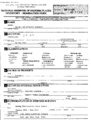
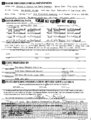
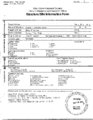
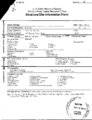
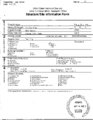
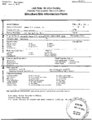
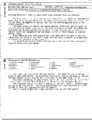
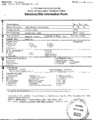
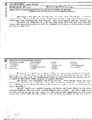
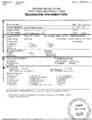
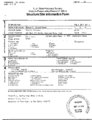
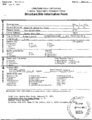
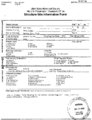
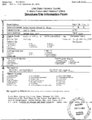
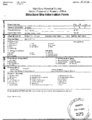
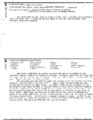
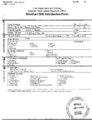
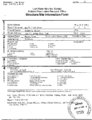
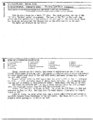
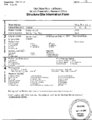
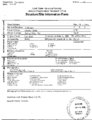
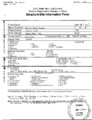
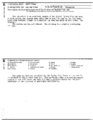
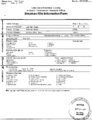
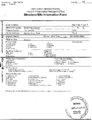
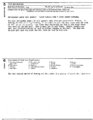
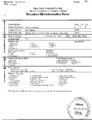
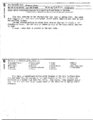
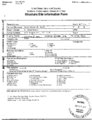
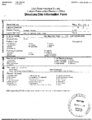
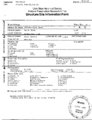
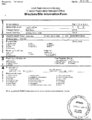
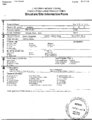
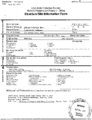
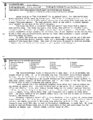
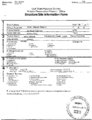
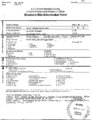
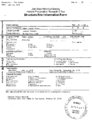
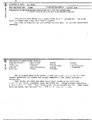
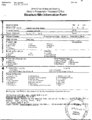
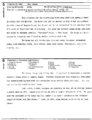
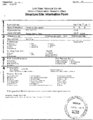
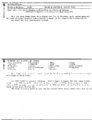
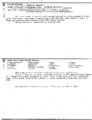
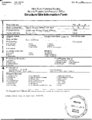
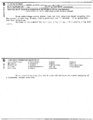
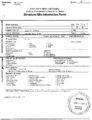
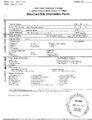
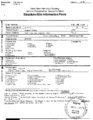
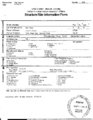
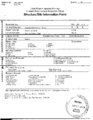
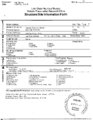
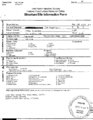
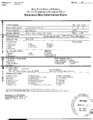
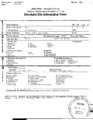
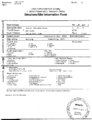
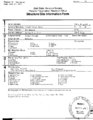
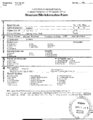
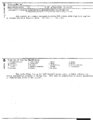
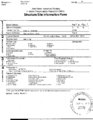
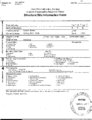
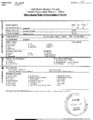
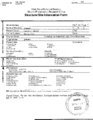
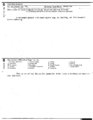
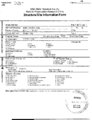
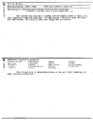
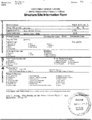
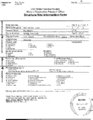
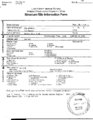
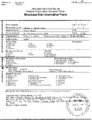
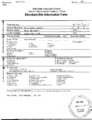
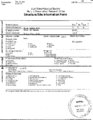
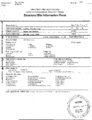
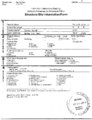
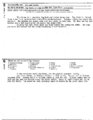
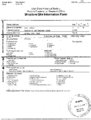
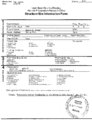
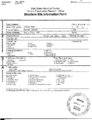
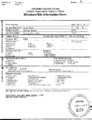
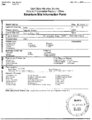
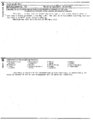
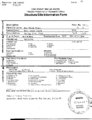
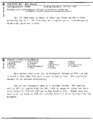
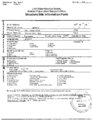
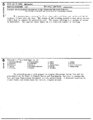
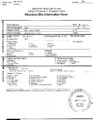
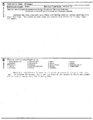
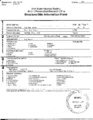
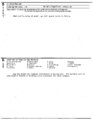
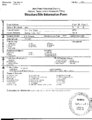
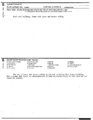
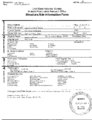
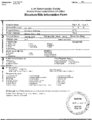
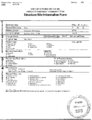
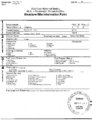
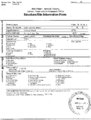
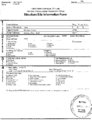
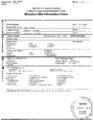
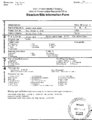
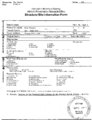
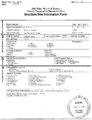
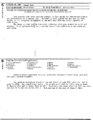
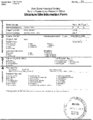
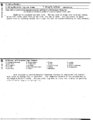
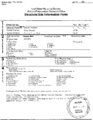
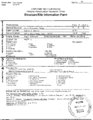
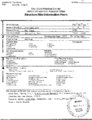
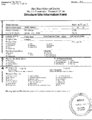
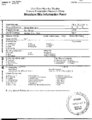
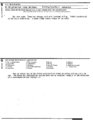
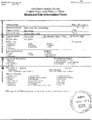
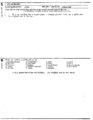
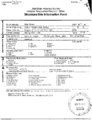
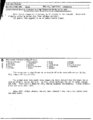
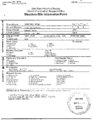
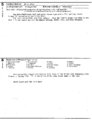
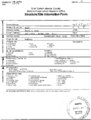
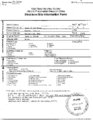
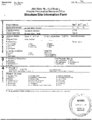
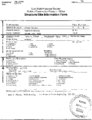
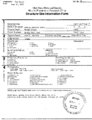
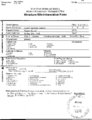
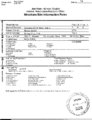
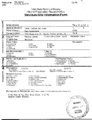
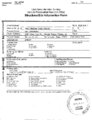
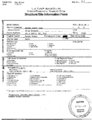
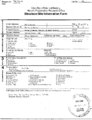
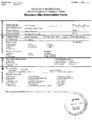
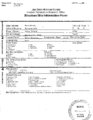
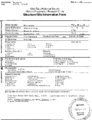
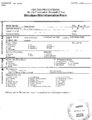
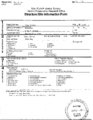
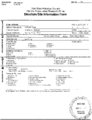
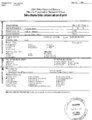
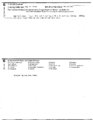
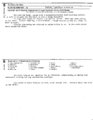
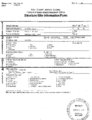
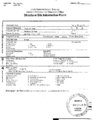
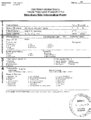
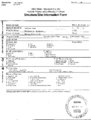
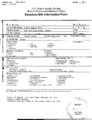
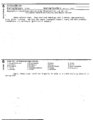
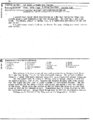
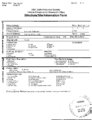
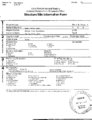
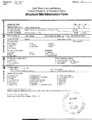
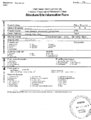
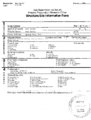
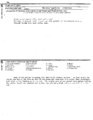
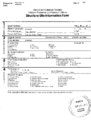
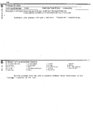
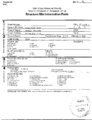
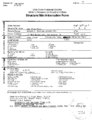
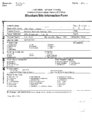
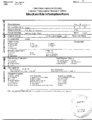
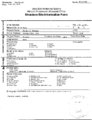
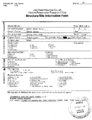
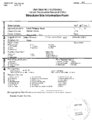
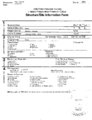
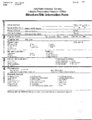
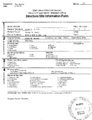
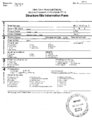
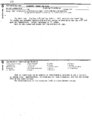
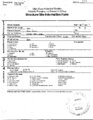
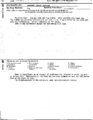
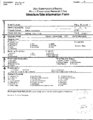
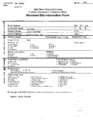
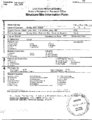
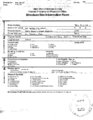
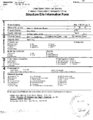
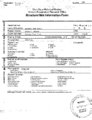
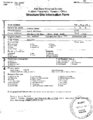
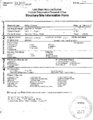
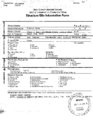
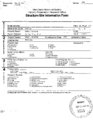
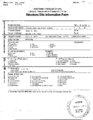
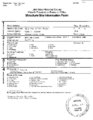
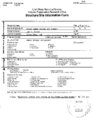
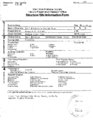
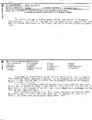
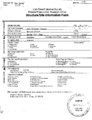
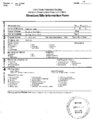
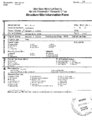
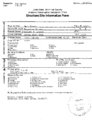
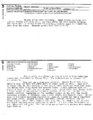
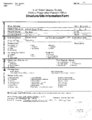
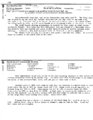
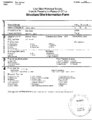
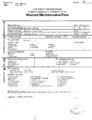
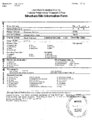
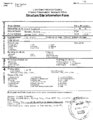
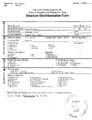
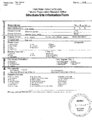
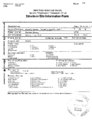
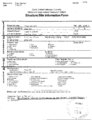
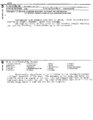
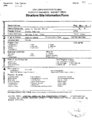
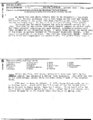
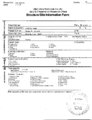
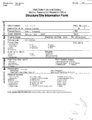
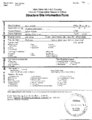
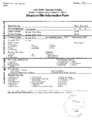
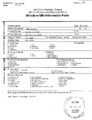
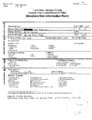
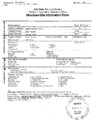
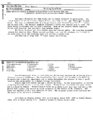
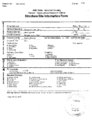
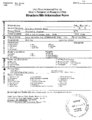
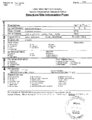
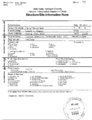
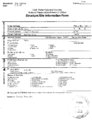
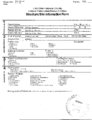
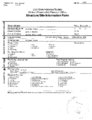
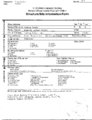
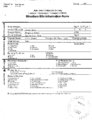
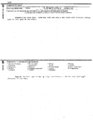
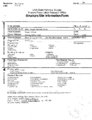
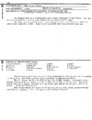
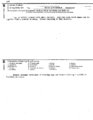
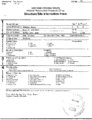
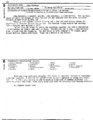
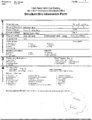
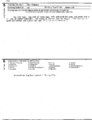
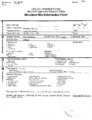
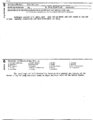
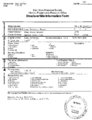
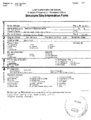
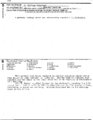
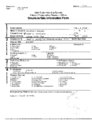
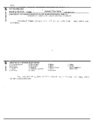
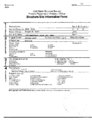
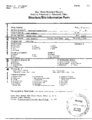
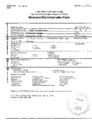
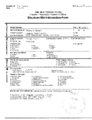
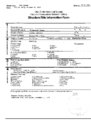
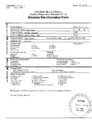
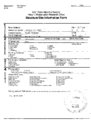
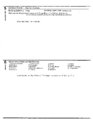
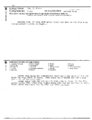
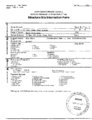
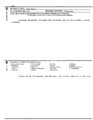
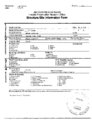
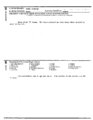
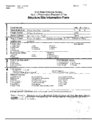
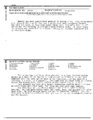
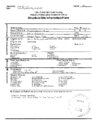
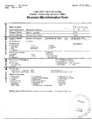
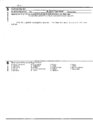
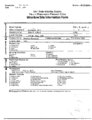
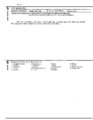
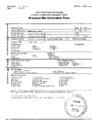
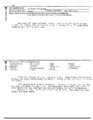
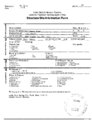
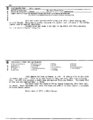
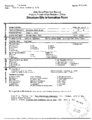
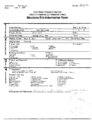
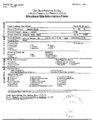
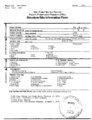
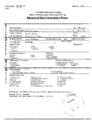
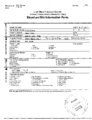
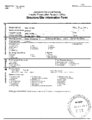
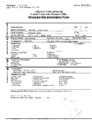
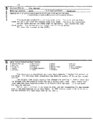
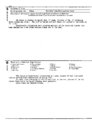
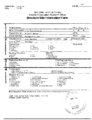
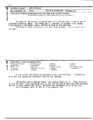
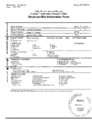
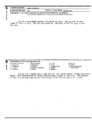
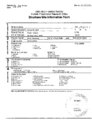
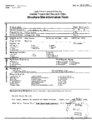
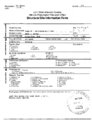
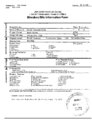
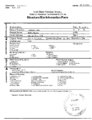
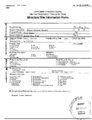
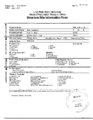
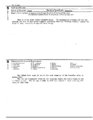
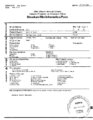
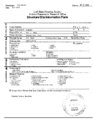
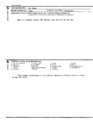
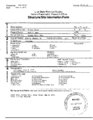
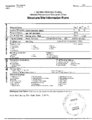
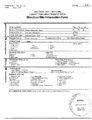
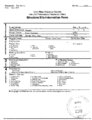
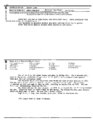
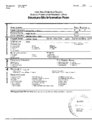
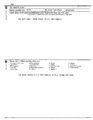
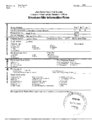
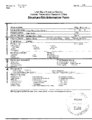
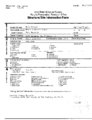
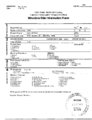
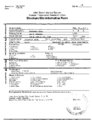
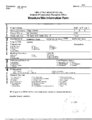
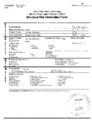
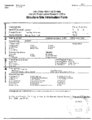
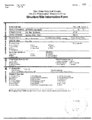
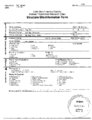
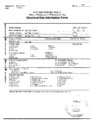
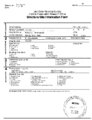
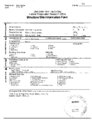
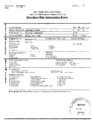
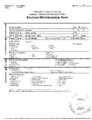
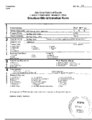
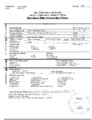
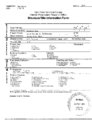
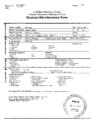
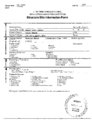
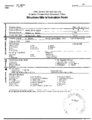
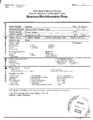
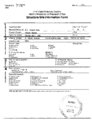
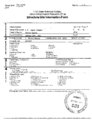
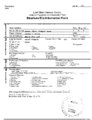
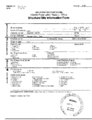
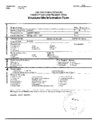
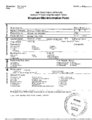
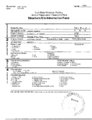
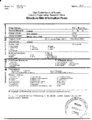
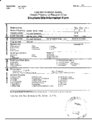
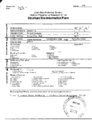
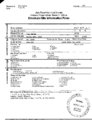
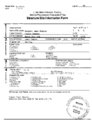
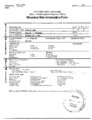
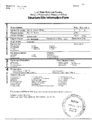
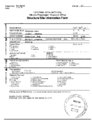
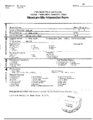
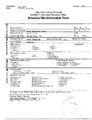
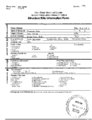
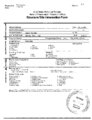
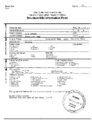
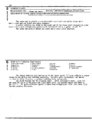
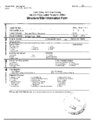
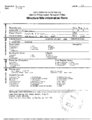
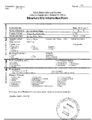
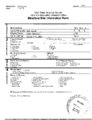
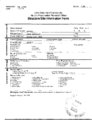
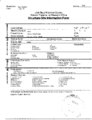
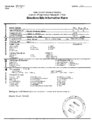
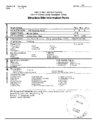
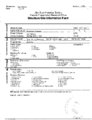
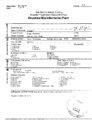
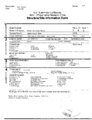
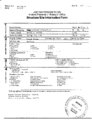
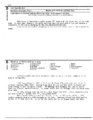
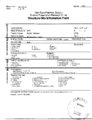
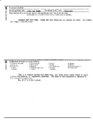
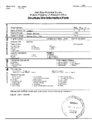
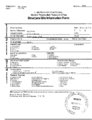
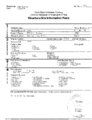
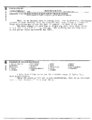
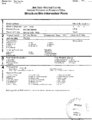
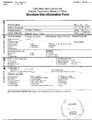
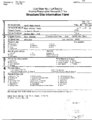
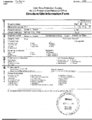
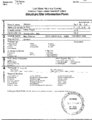
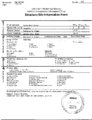
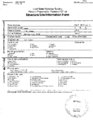
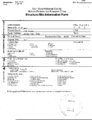
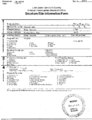
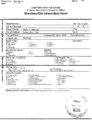
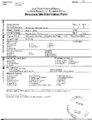
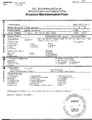
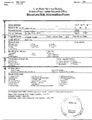
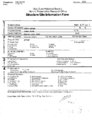
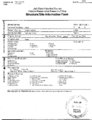
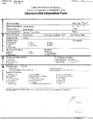
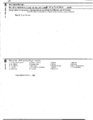
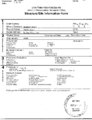
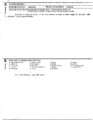
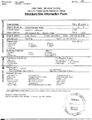
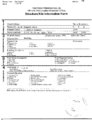
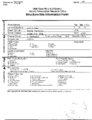
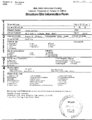
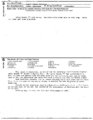
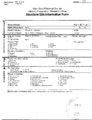
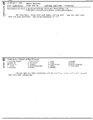
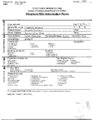
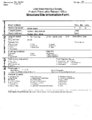
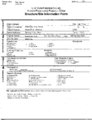
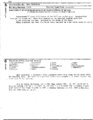
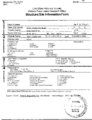
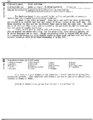
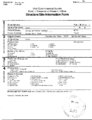
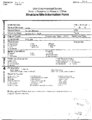
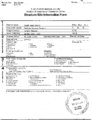
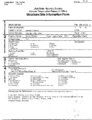
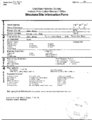
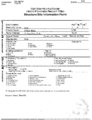
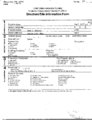
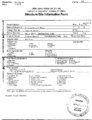
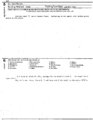
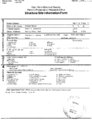
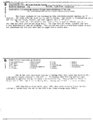
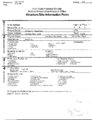
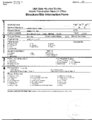
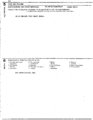
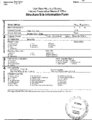
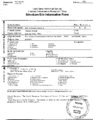
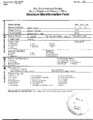
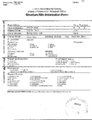
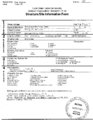
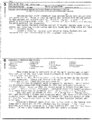
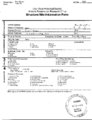
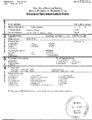
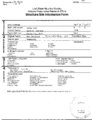
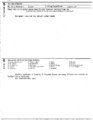
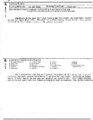
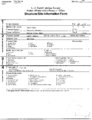
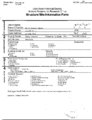
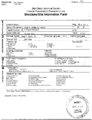
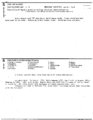
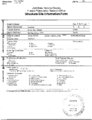
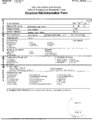
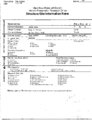
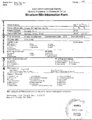
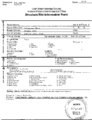
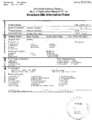
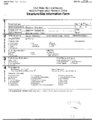
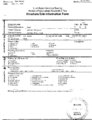
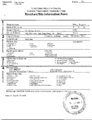
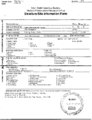
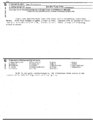
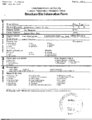
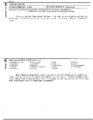
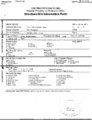
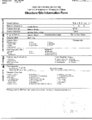
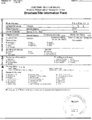
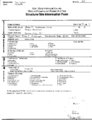
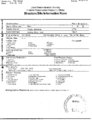
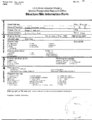
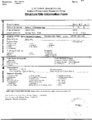
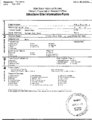
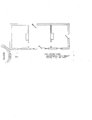
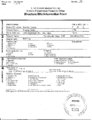
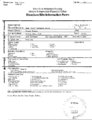
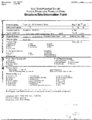
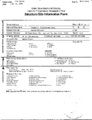
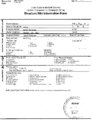
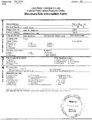
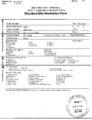
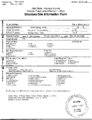
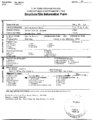
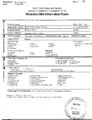
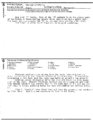
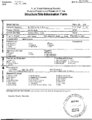
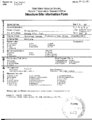
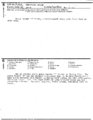
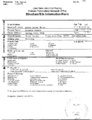
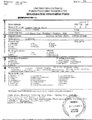
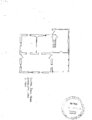
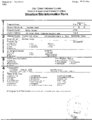
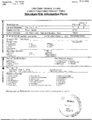
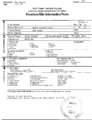
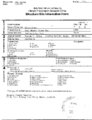
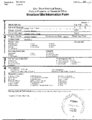
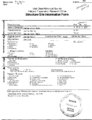
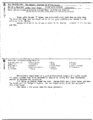
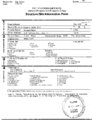
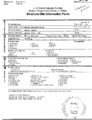
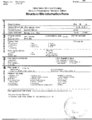
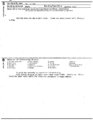
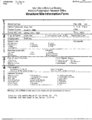
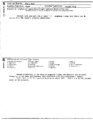
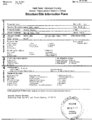
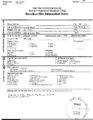
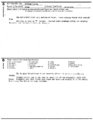
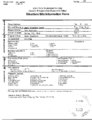
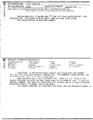
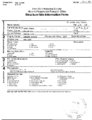
Show 89__________________________________m Architect/Builder: contract, by Sarah Ellen Hyde w £ Building Materials: brick______Building Type/Style: pattern book Description of physical appearance & significant architectural features: O I O 5 _______ (Include additions, alterations, ancillary structures, and landscaping if applicable) * :' : ''"-." A hipped roof cottage widely disseminated throughout the United States by builders 1 manual pattern books. The central pyramid roof is puntuated by gables to the front and sides. Heavy rusticated window heads and sills are used and a distinctive palladian-style window is found on the front gable, Statement of Historical Significance: D Aboriginal Americans D Agriculture (^Architecture D The Arts D Commerce D D O D D Communication Conservation Education Exploration/Settlement Industry D D O D D Military Mining Minority Groups Political Recreation D D D D Religion Science Socio-Humanitarian Transportation This brick home is one of the best examples of pattern book architecture in Spring • City. While time and economic decline have conspired to conserve a large number of mid-nineteenth-century vernacular buildings in Spring City, the town was never a static, unchanging, isolated community. As new pattern book house designs became available to these people, they were accepted as the pocketbook would allow. Such "popular" houses form a large percentage of Spring City's architectural heritage and should not be over looked in a preoccupation with the pioneer dwellings. From 1886 Charles Hyde, Orson Hyde's son, owned this lot though no houses were built here until after 1900. In that year, Charles divided lot 2, his mother Anne E. Hyde receiving the north portion, and Sarah Ellen Hyde, Charles estranged wife, was deeded the south portion. Following her divorce from Charles, Sarah Ellen contracted with local builders to have this house erected. |