| OCR Text |
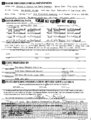
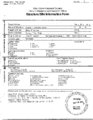
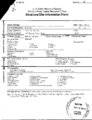
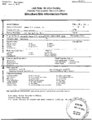
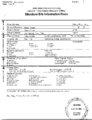
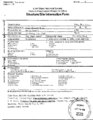
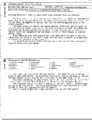
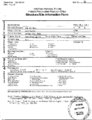
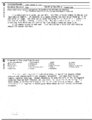
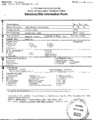
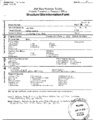
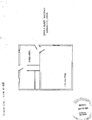
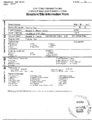
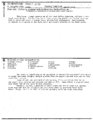
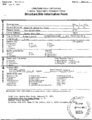
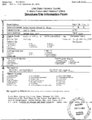
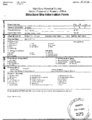
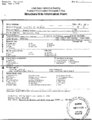
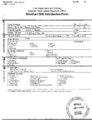
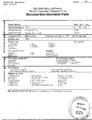
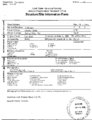
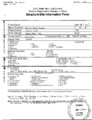
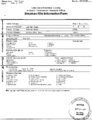
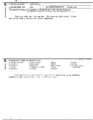
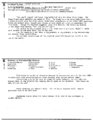
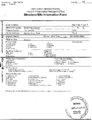
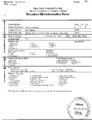
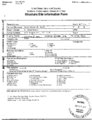
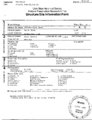
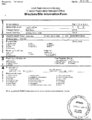
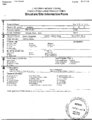
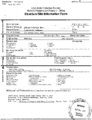
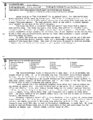
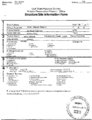
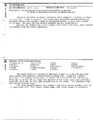
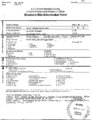
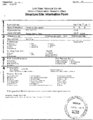
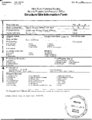
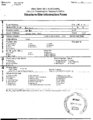
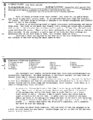
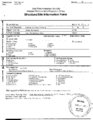
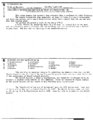
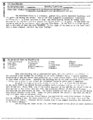
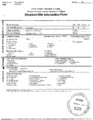
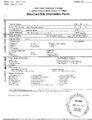
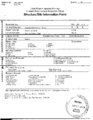
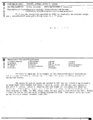
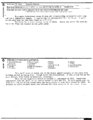
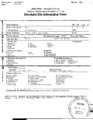
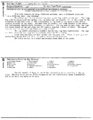
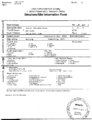
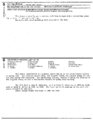
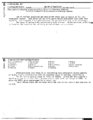
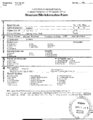
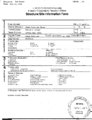
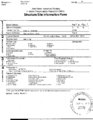
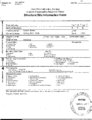
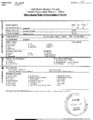
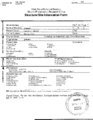
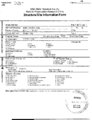
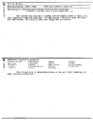
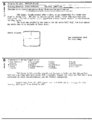
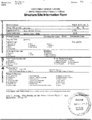
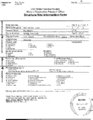
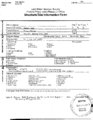
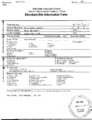
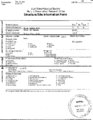
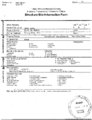
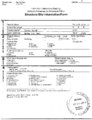
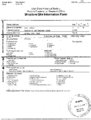
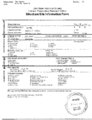
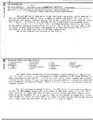
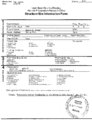
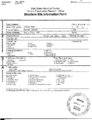
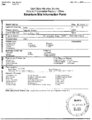
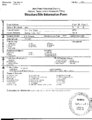
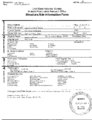
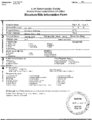
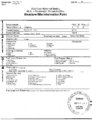
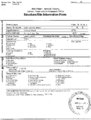
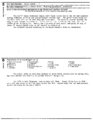
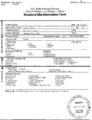
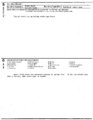
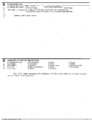
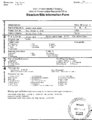
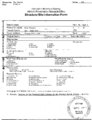
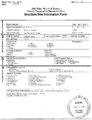
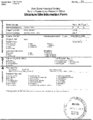
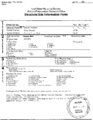
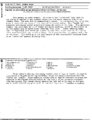
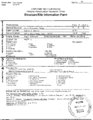
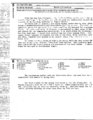
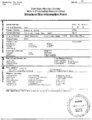
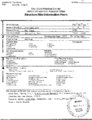
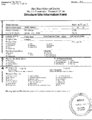
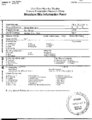
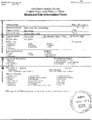
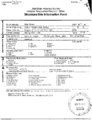
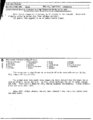
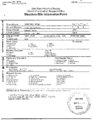
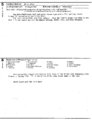
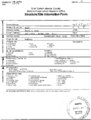
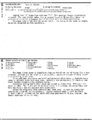
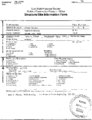
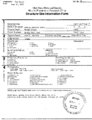
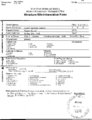
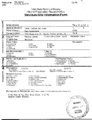
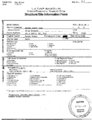
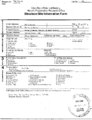
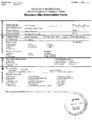
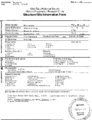
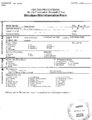
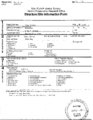
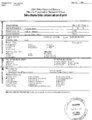
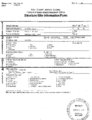
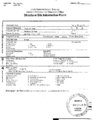
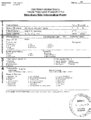
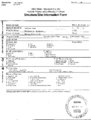
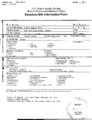
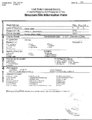
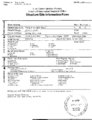
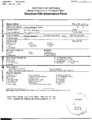
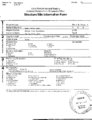
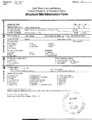
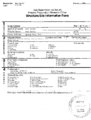
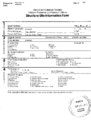
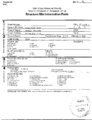
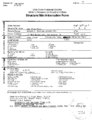
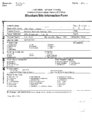
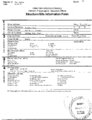
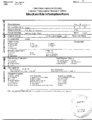
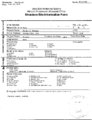
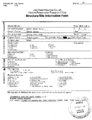
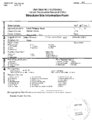
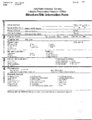
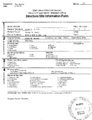
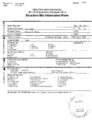
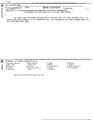
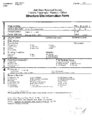
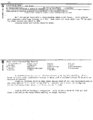
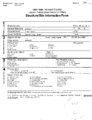
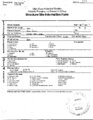
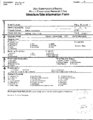
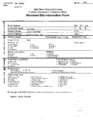
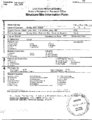
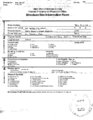
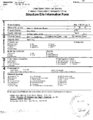
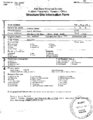
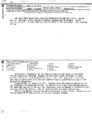
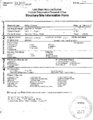
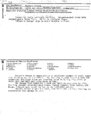
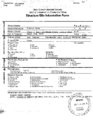
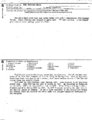
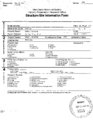
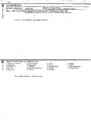
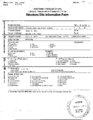
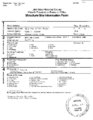
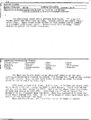
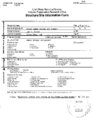
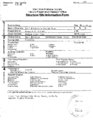
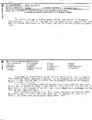
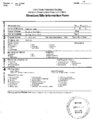
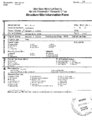
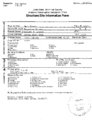
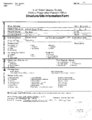
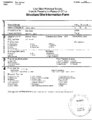
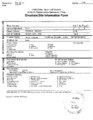
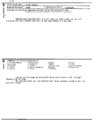
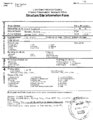
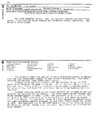
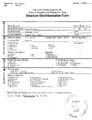
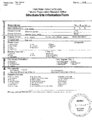
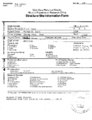
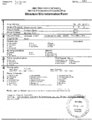
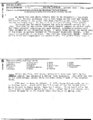
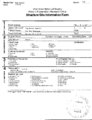
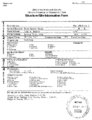
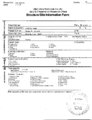
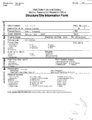
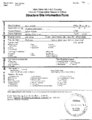
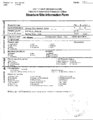
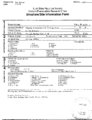
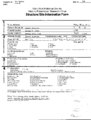
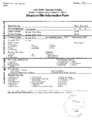
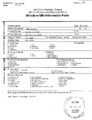
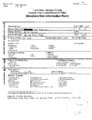
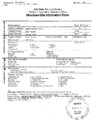
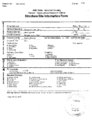
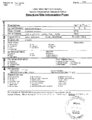
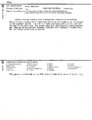
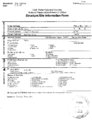
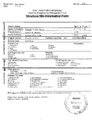
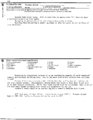
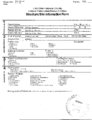
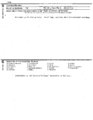
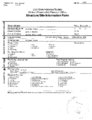
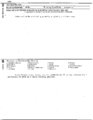
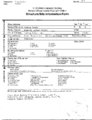
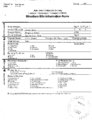
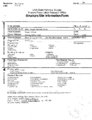
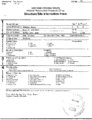
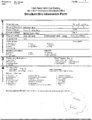
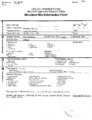
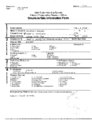
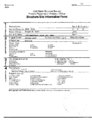
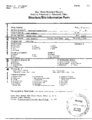
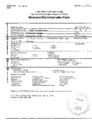
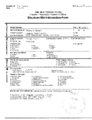
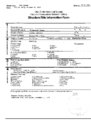
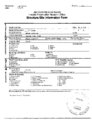
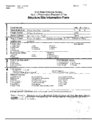
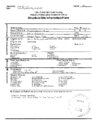
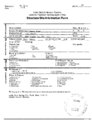
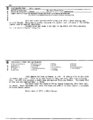
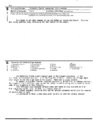
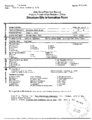
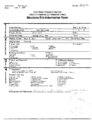
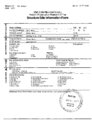
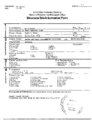
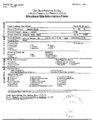
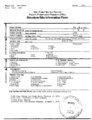
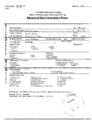
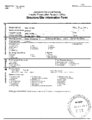
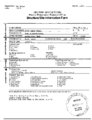
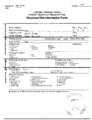
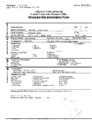
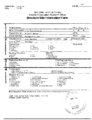
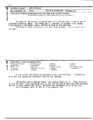
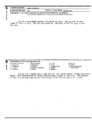
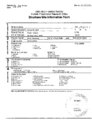
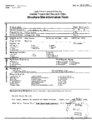
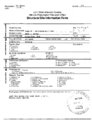
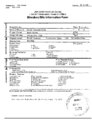
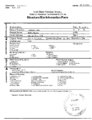
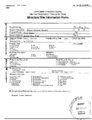
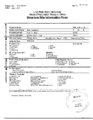
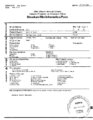
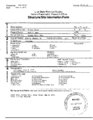
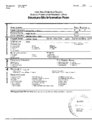
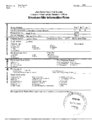
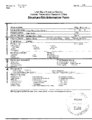
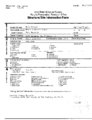
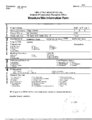
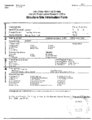
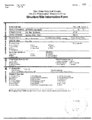
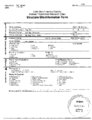
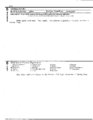
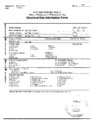
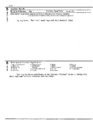
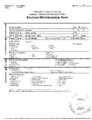
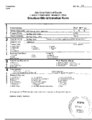
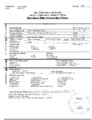
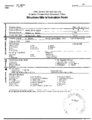
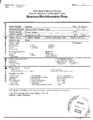
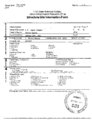
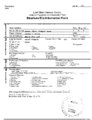
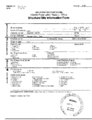
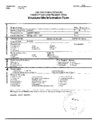
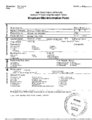
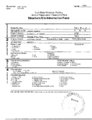
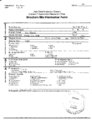
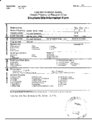
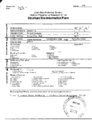
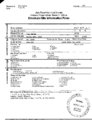
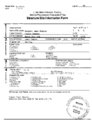
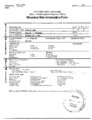
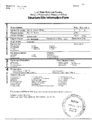
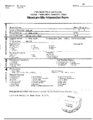
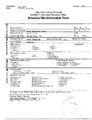
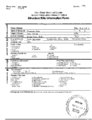
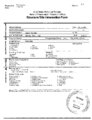
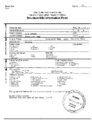
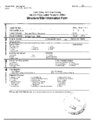
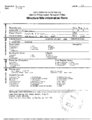
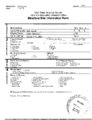
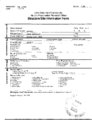
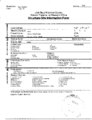
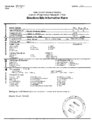
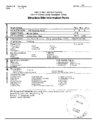
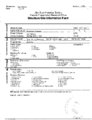
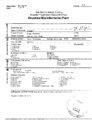
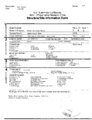
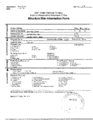
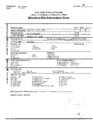
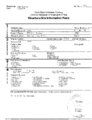
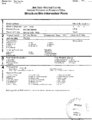
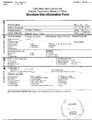
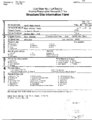
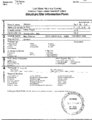
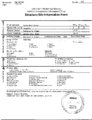
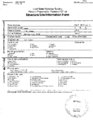
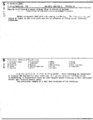
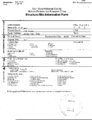
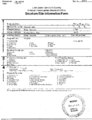
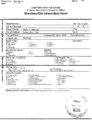
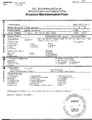
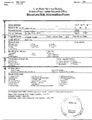
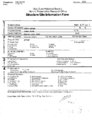
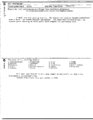
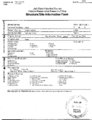
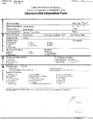
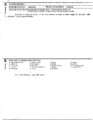
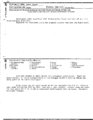
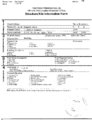
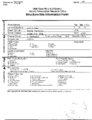
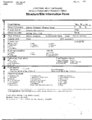
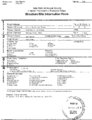
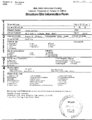
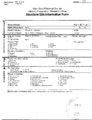
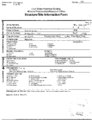
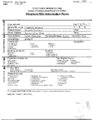
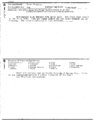
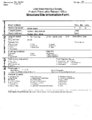
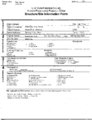
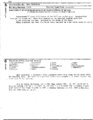
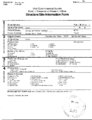
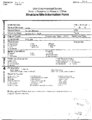
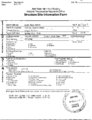
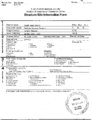
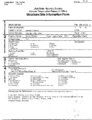
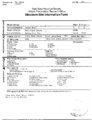
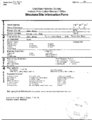
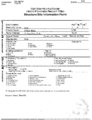
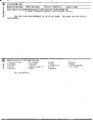
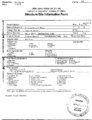
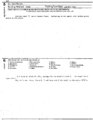
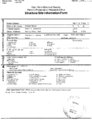
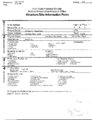
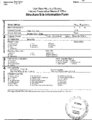
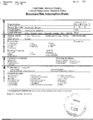
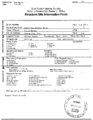
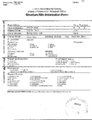
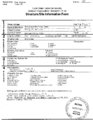
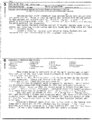
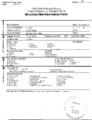
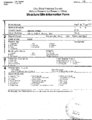
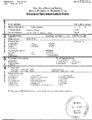
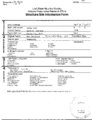
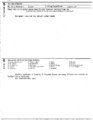
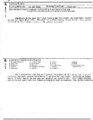
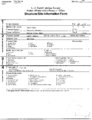
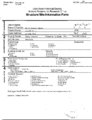
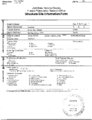
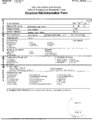
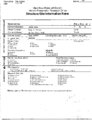
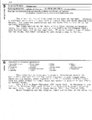
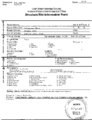
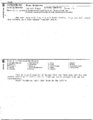
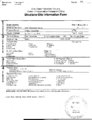
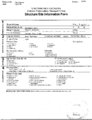
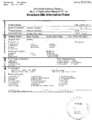
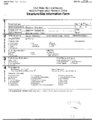
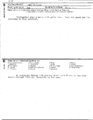
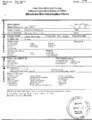
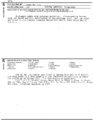
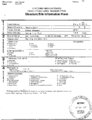
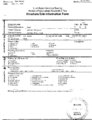
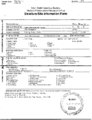
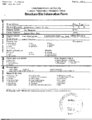
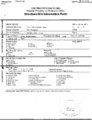
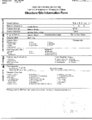
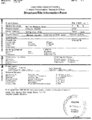
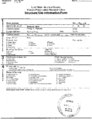
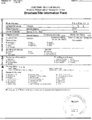
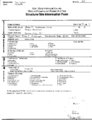
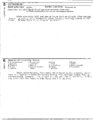
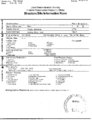
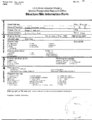
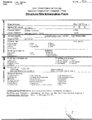
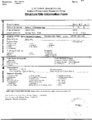
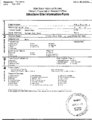
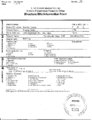
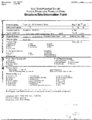
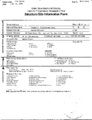
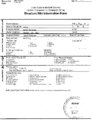
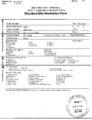
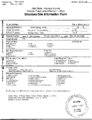
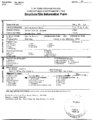
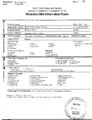
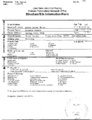
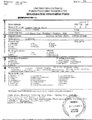
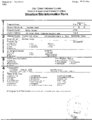
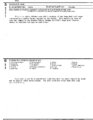
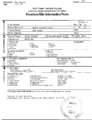
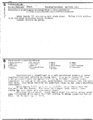
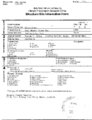
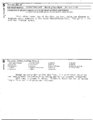
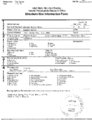
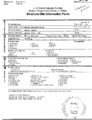
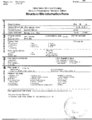
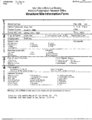
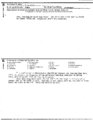
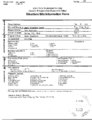
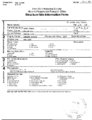
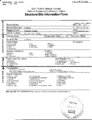
Show 119______ Architect/Builder: w j2[_. IEE o < Building Materials: frame_______Building Type/Style: bungalow_____ Description of physical appearance & significant architectural features: (Include additions, alterations, ancillary structures, and landscaping if applicable) * •;•...'-,'• - *• ' - - " • - : Hip roofed cottage with a large hip roofed front porch. The long one-story appearance of the house and the covered porch are reminiscent of the bungalow style, The picket fence remains intact. Statement of Historical Significance: D Aboriginal Americans D Agriculture m/Architecture D The Arts D Commerce D D D D D Communication Conservation Education Exploration/Settlement Industry D D D p D Military Mining Minority Groups Political Recreation D D D D Religion Science Socio-Humanitarian Transportation The twentieth century effectively brought to a close the vernacular building phase in Spring City and house plans increasingly began to reflect the intrusion of popular styles. Builders' manuals and pattern books helped bring fashionable houses such as this one to Spring City's attention. North one-half of Lot and block 29 sold to Henry Puzey by Samuel Frost. 1889 Lydia Puzey receives lot from H. Puzey's estate. Puzey builds house around 1900. Henry Puzey, according to Esshom's biographical sketch, was born in 1828. Puzey arrived in Utah, settling at Spring City in 1866. He was a High Priest in-the IDS Church, a block teacher, and sustained his family by his work as a blacksmith and wheelwright. |