| OCR Text |
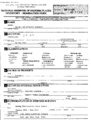
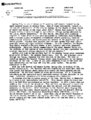
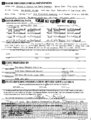
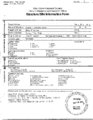
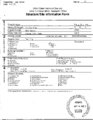
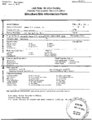
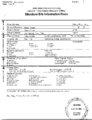
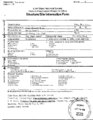
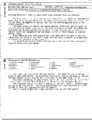
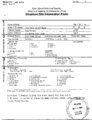
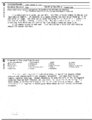
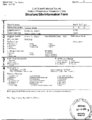
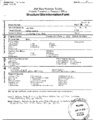
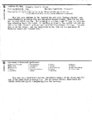
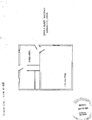
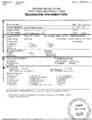
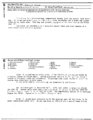
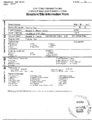
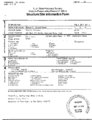
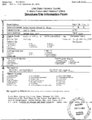
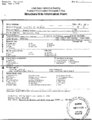
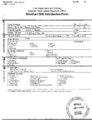
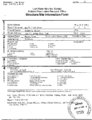
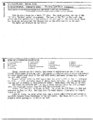
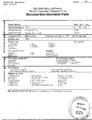
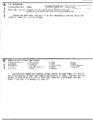
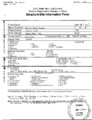
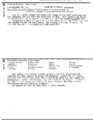
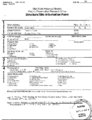
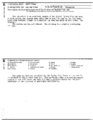
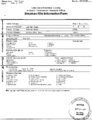
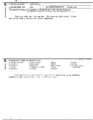
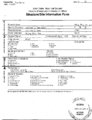
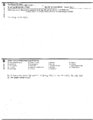
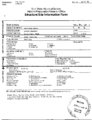
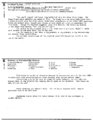
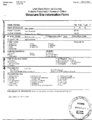
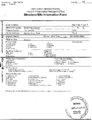
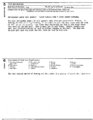
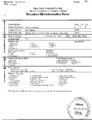
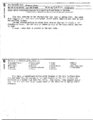
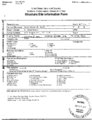
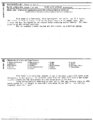
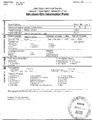
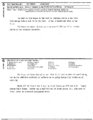
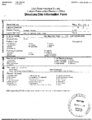
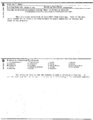
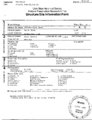
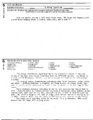
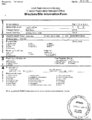
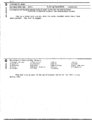
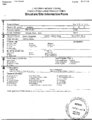
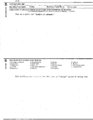
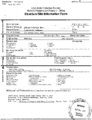
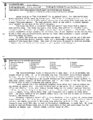
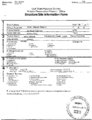
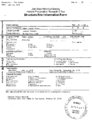
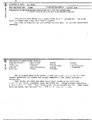
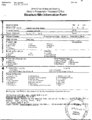
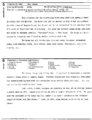
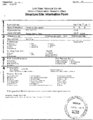
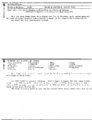
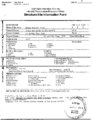
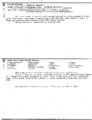
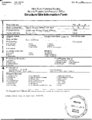
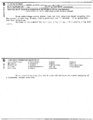
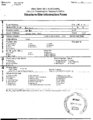
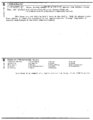
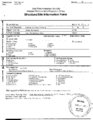
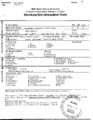
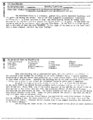
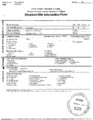
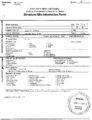
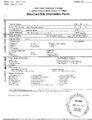
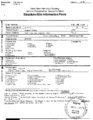
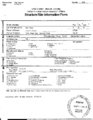
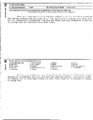
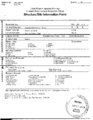
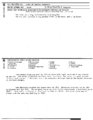
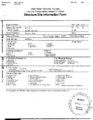
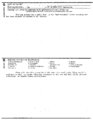
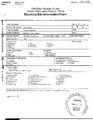
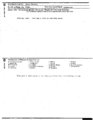
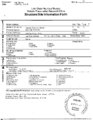
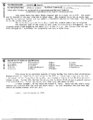
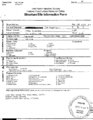
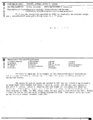
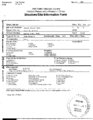
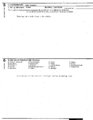
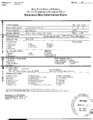
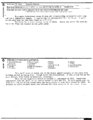
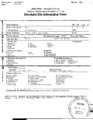
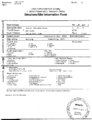
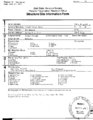
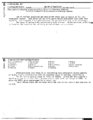
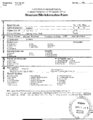
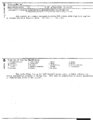
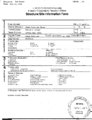
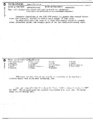
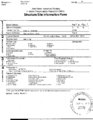
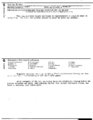
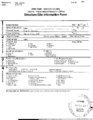
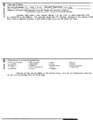
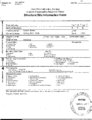
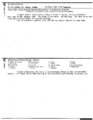
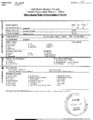
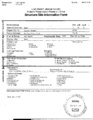
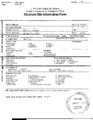
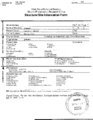
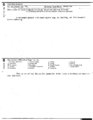
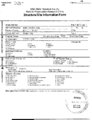
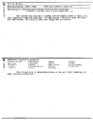
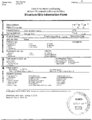
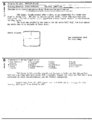
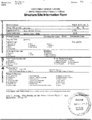
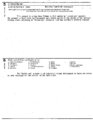
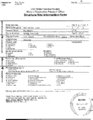
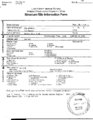
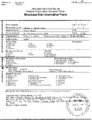
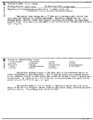
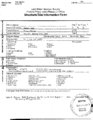
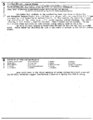
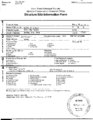
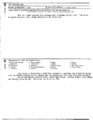
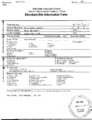
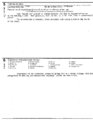
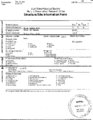
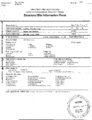
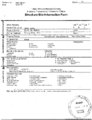
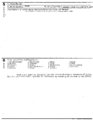
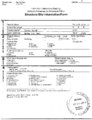
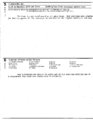
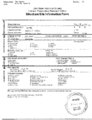
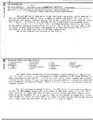
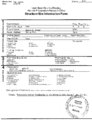
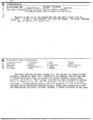
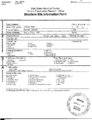
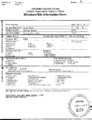
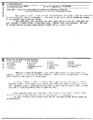
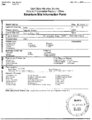
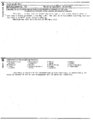
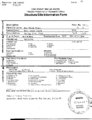
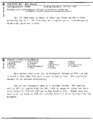
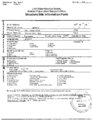
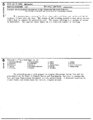
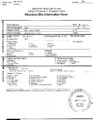
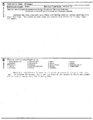
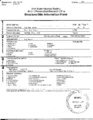
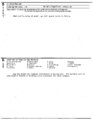
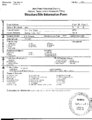
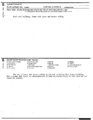
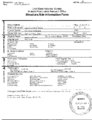
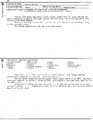
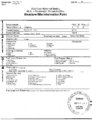
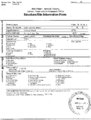
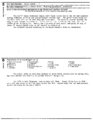
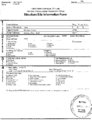
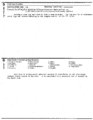
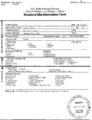
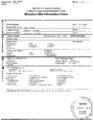
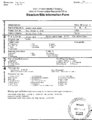
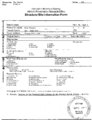
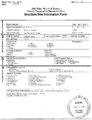
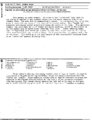
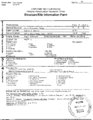
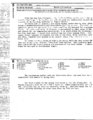
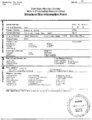
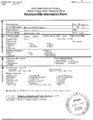
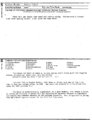
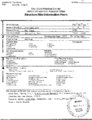
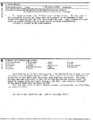
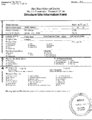
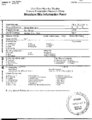
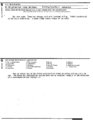
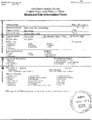
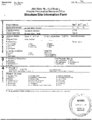
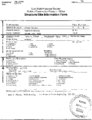
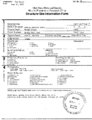
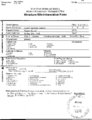
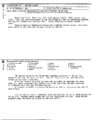
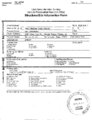
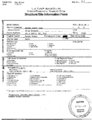
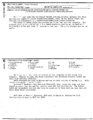
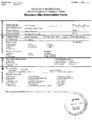
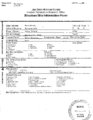
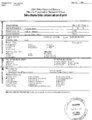
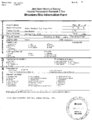
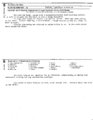
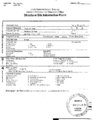
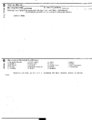
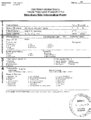
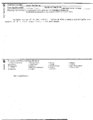
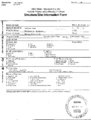
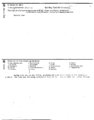
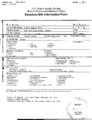
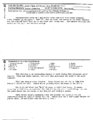
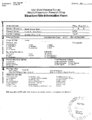
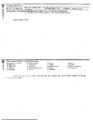
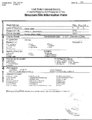
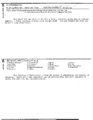
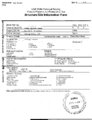
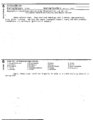
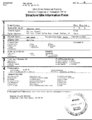
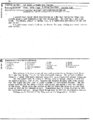
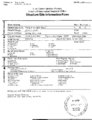
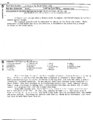
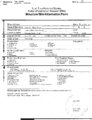
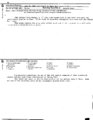
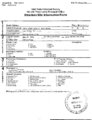
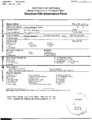
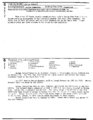
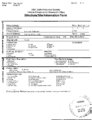
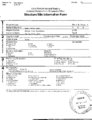
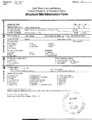
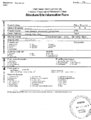
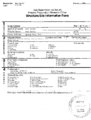
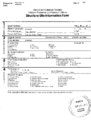
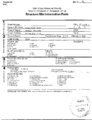
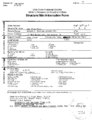
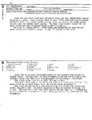
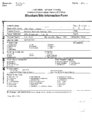
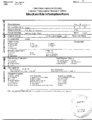
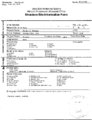
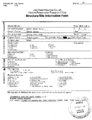
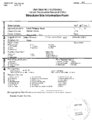
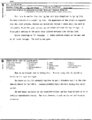
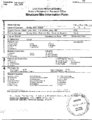
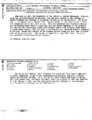
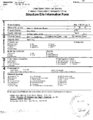
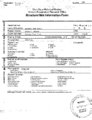
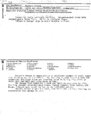
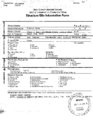
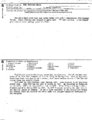
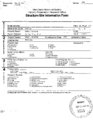
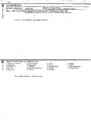
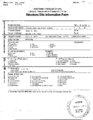
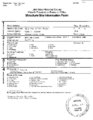
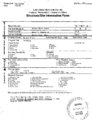
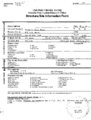
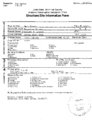
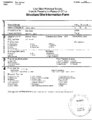
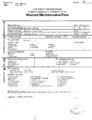
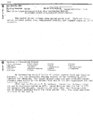
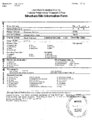
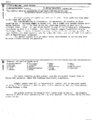
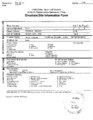
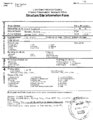
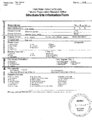
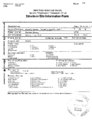
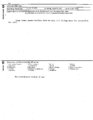
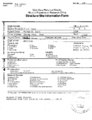
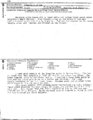
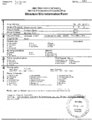
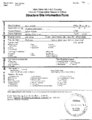
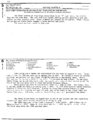
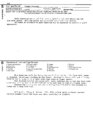
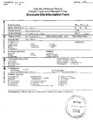
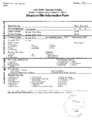
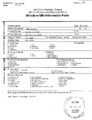
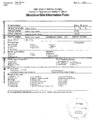
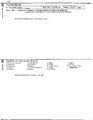
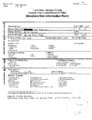
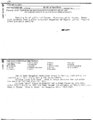
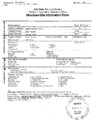
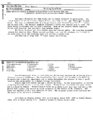
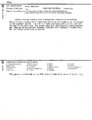
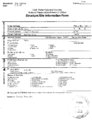
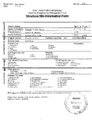
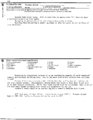
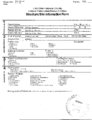
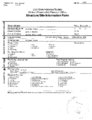
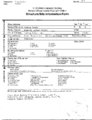
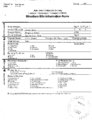
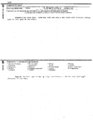
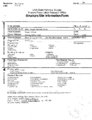
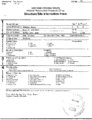
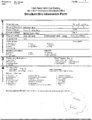
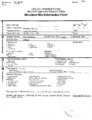
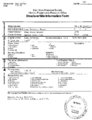
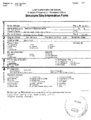
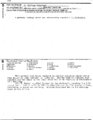
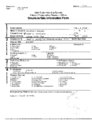
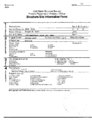
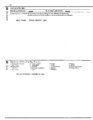
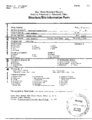
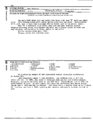
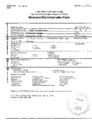
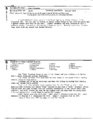
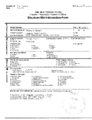
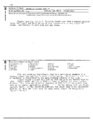
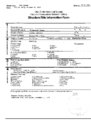
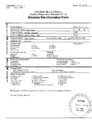
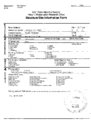
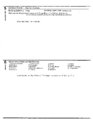
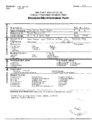
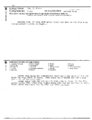
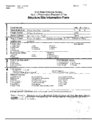
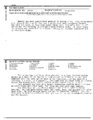
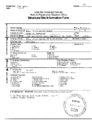
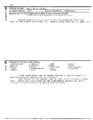
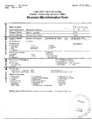
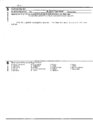
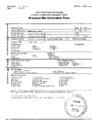
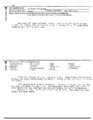
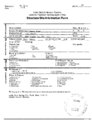
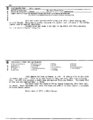
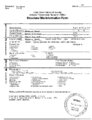
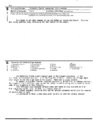
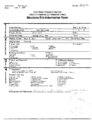
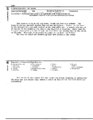
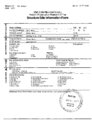
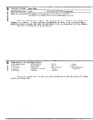
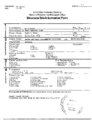
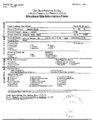
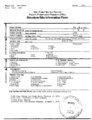
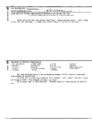
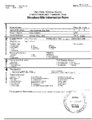
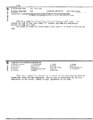
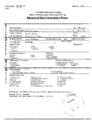
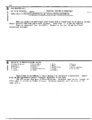
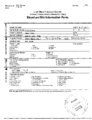
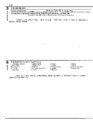
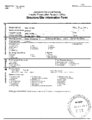
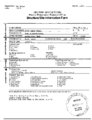
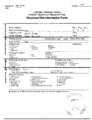
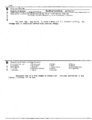
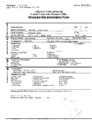
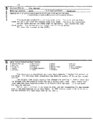
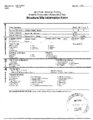
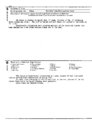
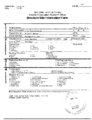
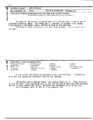
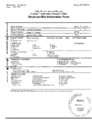
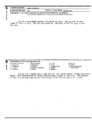
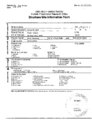
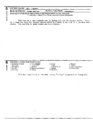
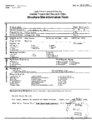
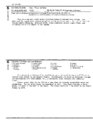
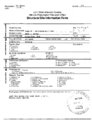
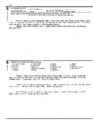
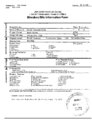
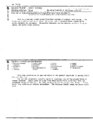
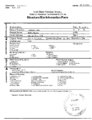
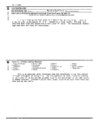
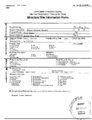
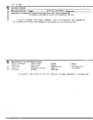
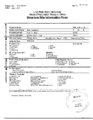
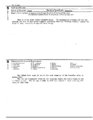
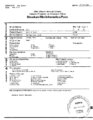
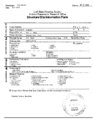
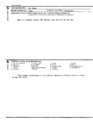
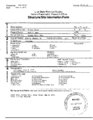
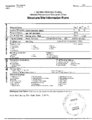
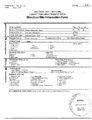
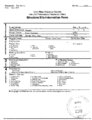
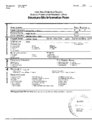
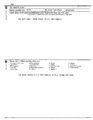
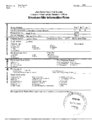
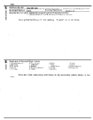
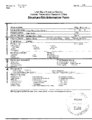
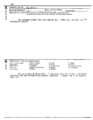
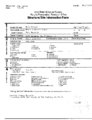
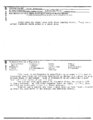
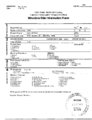
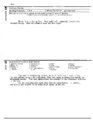
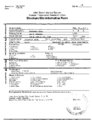
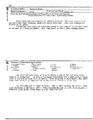
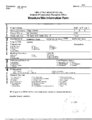
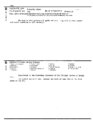
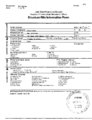
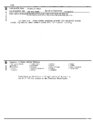
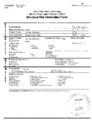
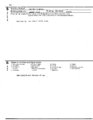
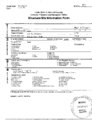
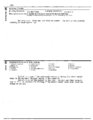
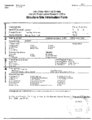
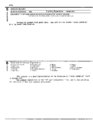
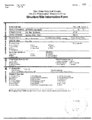
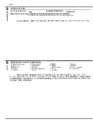
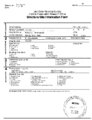
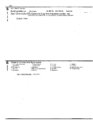
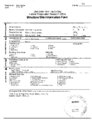
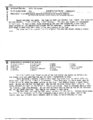
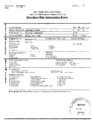
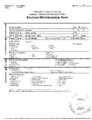
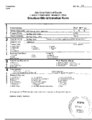
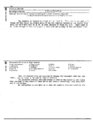
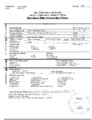
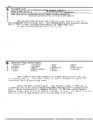
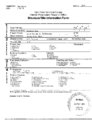
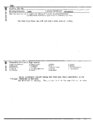
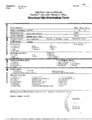
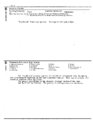
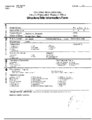
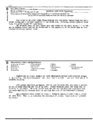
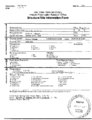
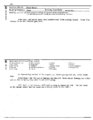
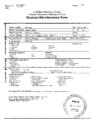
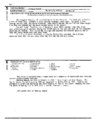
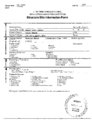
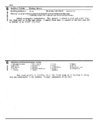
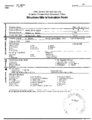
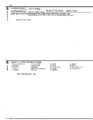
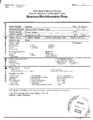
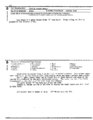
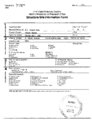
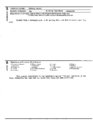
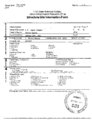
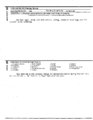
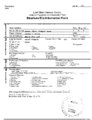
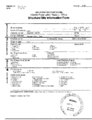
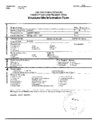
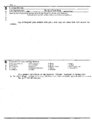
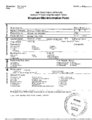
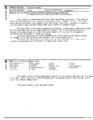
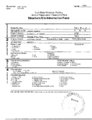
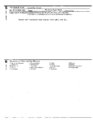
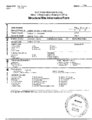
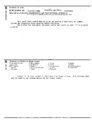
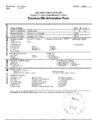
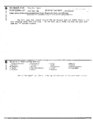
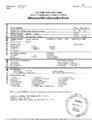
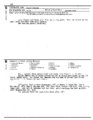
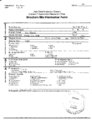
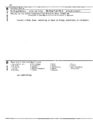
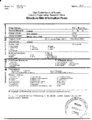
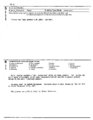
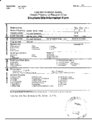
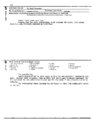
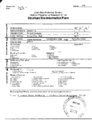
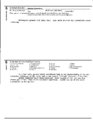
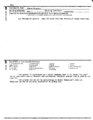
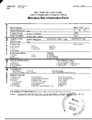
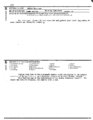
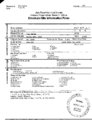
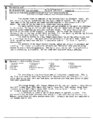
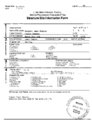
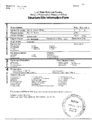
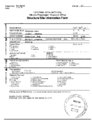
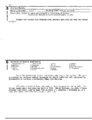
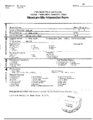
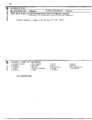
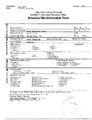
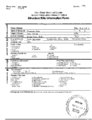
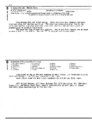
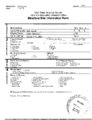
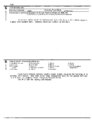
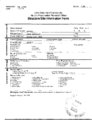
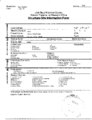
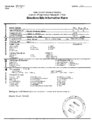
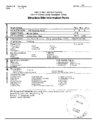
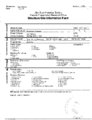
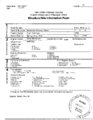
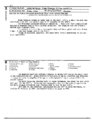
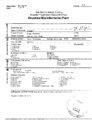
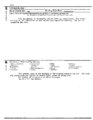
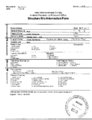
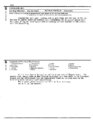
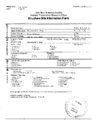
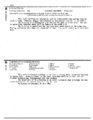
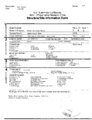
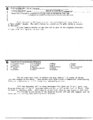
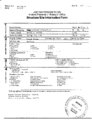
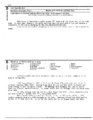
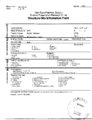
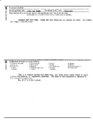
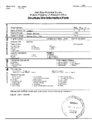
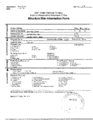
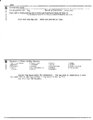
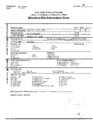
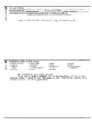
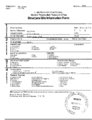
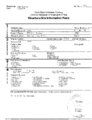
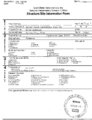
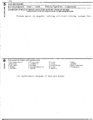
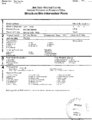
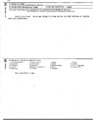
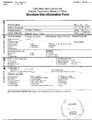
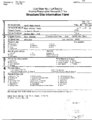
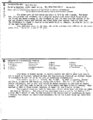
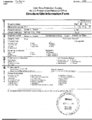
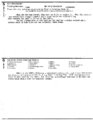
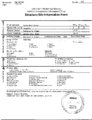
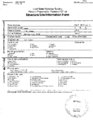
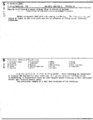
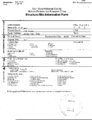
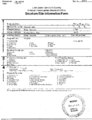
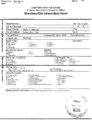
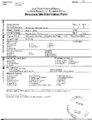
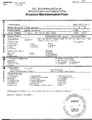
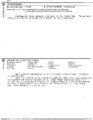
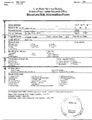
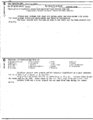
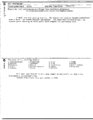
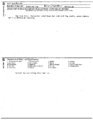
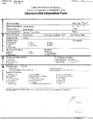
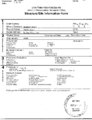
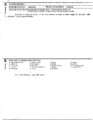
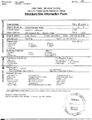
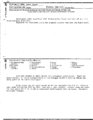
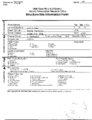
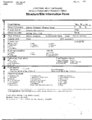
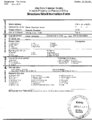
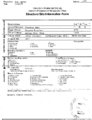
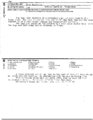
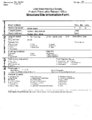
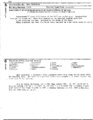
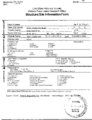
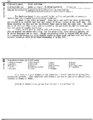
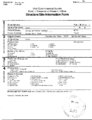
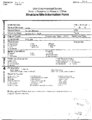
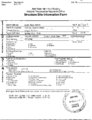
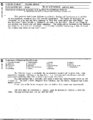
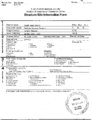
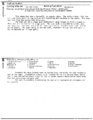
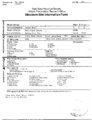
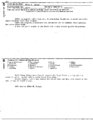
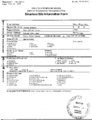
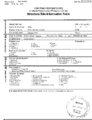
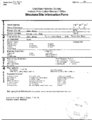
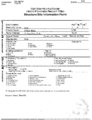
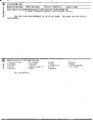
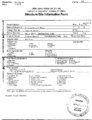
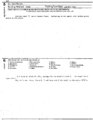
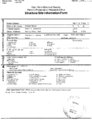
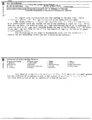
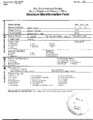
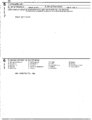
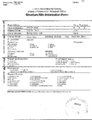
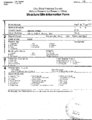
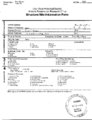
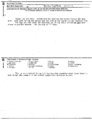
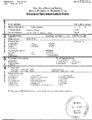
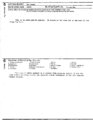
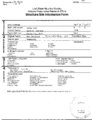
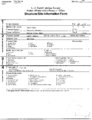
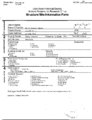
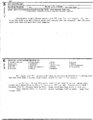
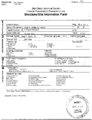
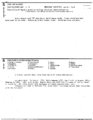
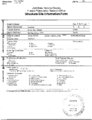
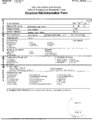
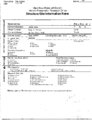
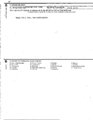
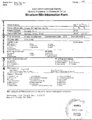
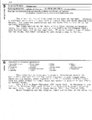
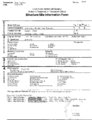
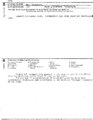
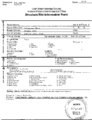
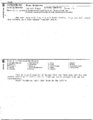
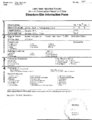
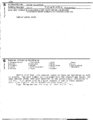
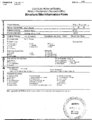
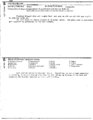
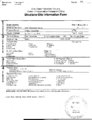
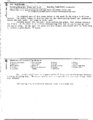
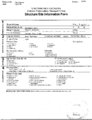
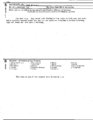
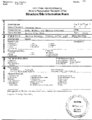
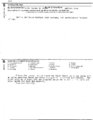
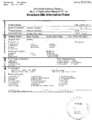
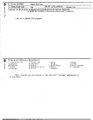
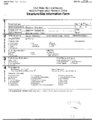
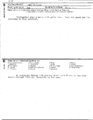
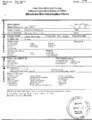
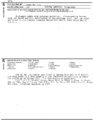
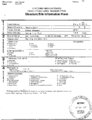
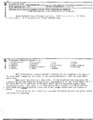
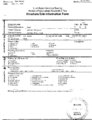
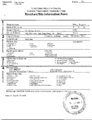
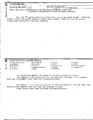
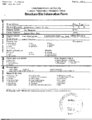
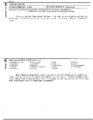
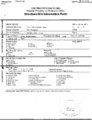
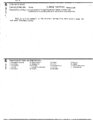
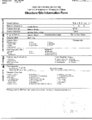
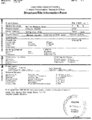
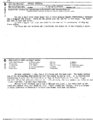
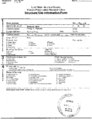
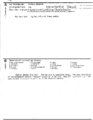
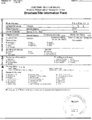
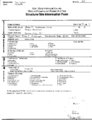
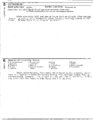
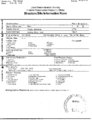
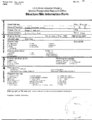
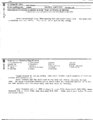
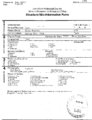
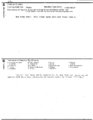
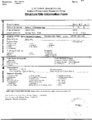
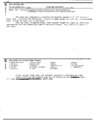
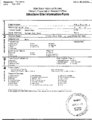
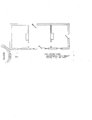
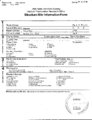
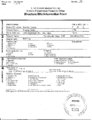
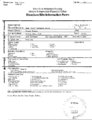
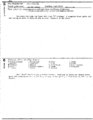
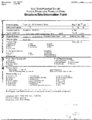
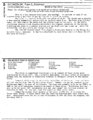
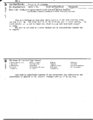
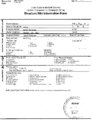
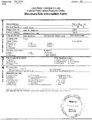
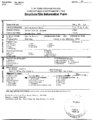
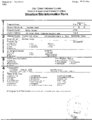
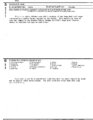
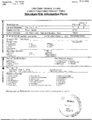
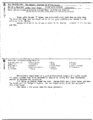
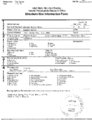
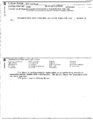
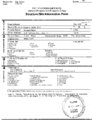
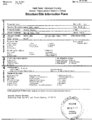
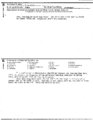
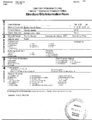
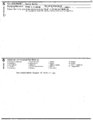
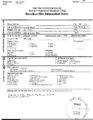
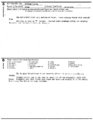
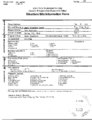
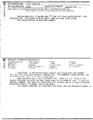
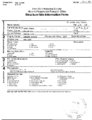
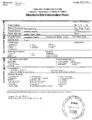
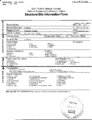
Show 151 * ? u t Architect/Builder: John Robinson Building Materials: 1ng aTldaAnhe Building Type/Styie: vernacular Description of physical appearance & significant architectural features: _____ (Include additions, alterations, ancillary structures, and landscaping if applicable) - | John Robinson, a widower, and Mrs. John Schofield, a widow married. The log house < which she owned was dragged by team fron her lot and combined with the adobe structure Robinson already owned on this lot. Robinson used willows instead of lathe and a clay and sand mixture formed the plaster which Johannes Christensen applied. Ole Peterson siding covered the building before shingles were applied in 1973. The building was formed by adding two buildings together, yet such a combination did not produce an organic imbalance of forms. The builders had a goal, a desired house plan, in mind from the beginning. The end result of work produced a 'T' shaped, gable facade modified temple form house. There was a method in. the madness. Statement of Historical Significance: > O to 5E D Aboriginal Americans D Agriculture na^Architecture Q/The Arts D Commerce a D D D D Communication Conservation Education Exploration/Settlement Industry D D D D D Military Mining Minority Groups Political Recreation D D D D Religion Science Socio-HurnanJtarian Transportation While now disguised under shingles, this house is important because it represents a healthy tradition of addition and recombination actually employed in Spring City archi tecture. Builders were willing to add to existing structures or combine different ele ments to produce new forms, forms still compatible with the operating folk housing aesthetic, No original patent deed. |