| OCR Text |
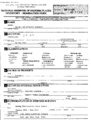
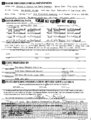
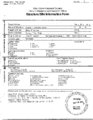
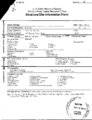
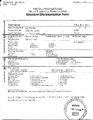
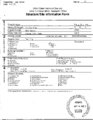
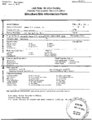
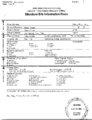
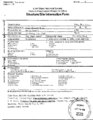
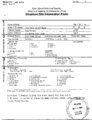
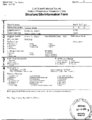
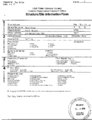
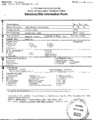
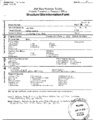
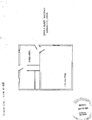
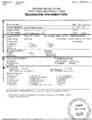
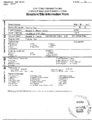
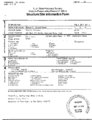
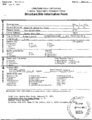
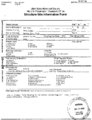
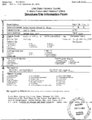
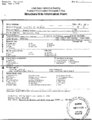
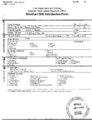
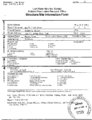
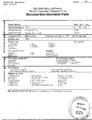
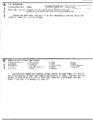
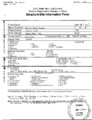
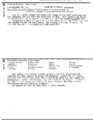
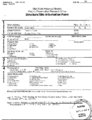
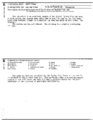
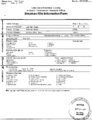
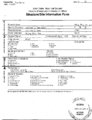
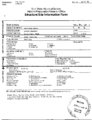
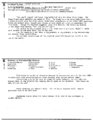
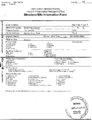
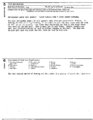
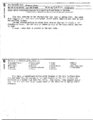
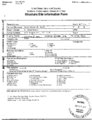
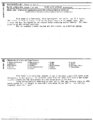
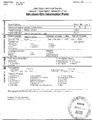
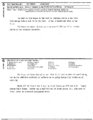
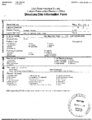
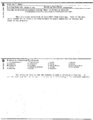
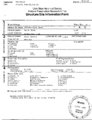
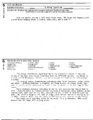
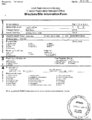
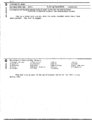
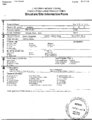
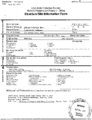
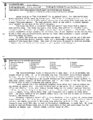
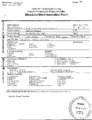
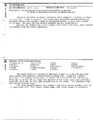
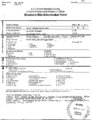
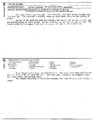
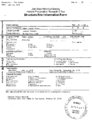
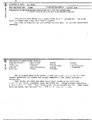
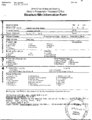
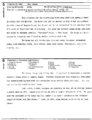
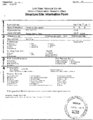
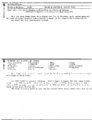
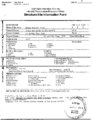
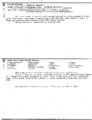
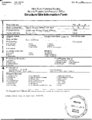
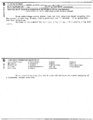
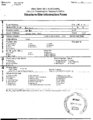
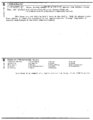
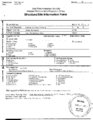
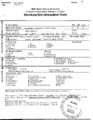
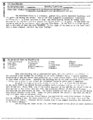
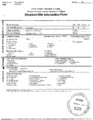
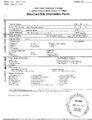
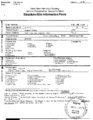
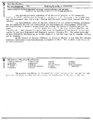
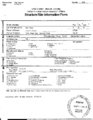
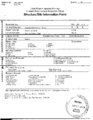
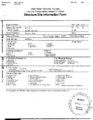
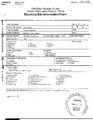
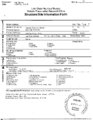
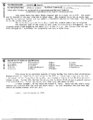
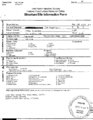
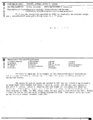
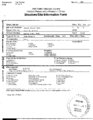
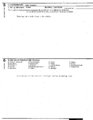
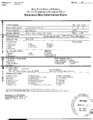
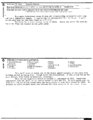
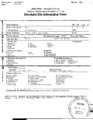
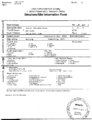
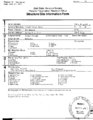
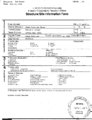
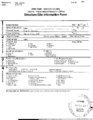
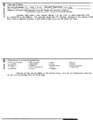
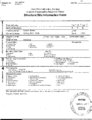
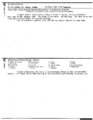
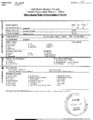
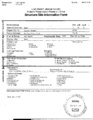
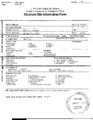
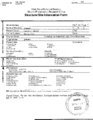
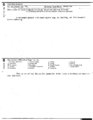
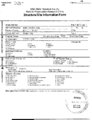
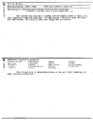
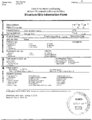
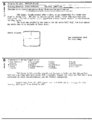
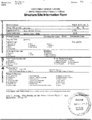
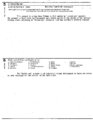
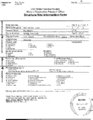
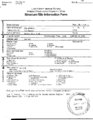
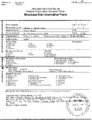
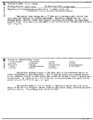
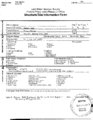
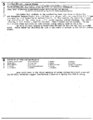
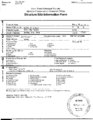
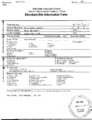
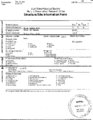
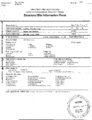
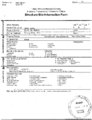
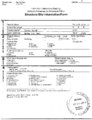
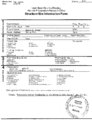
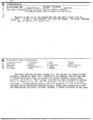
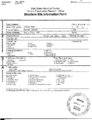
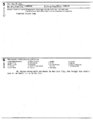
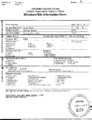
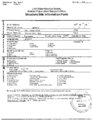
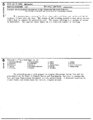
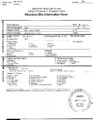
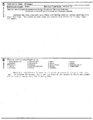
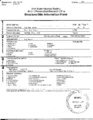
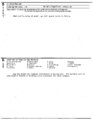
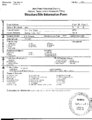
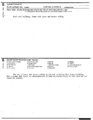
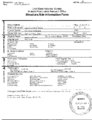
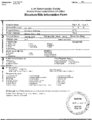
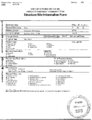
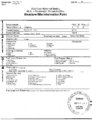
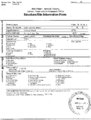
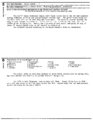
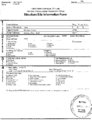
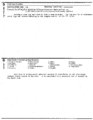
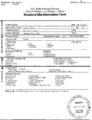
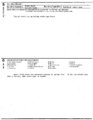
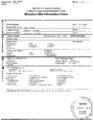
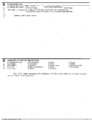
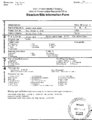
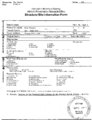
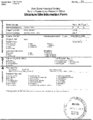
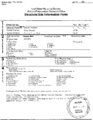
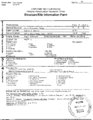
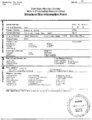
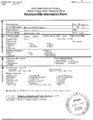
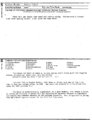
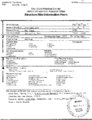
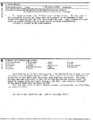
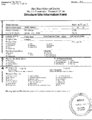
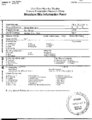
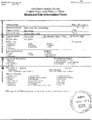
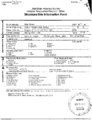
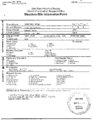
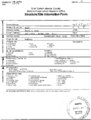
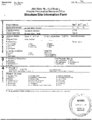
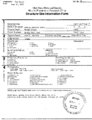
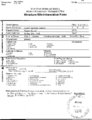
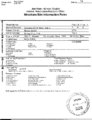
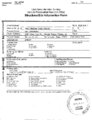
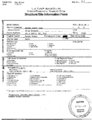
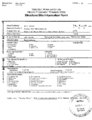
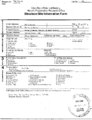
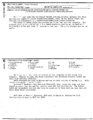
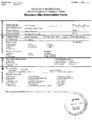
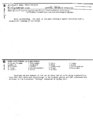
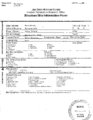
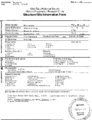
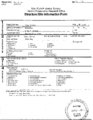
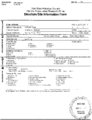
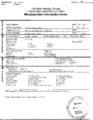
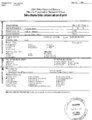
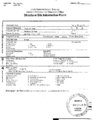
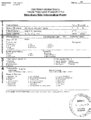
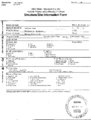
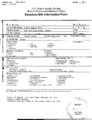
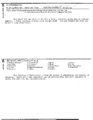
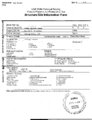
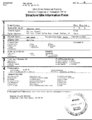
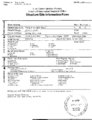
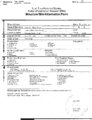
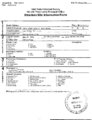
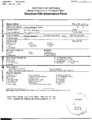
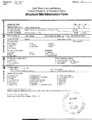
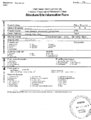
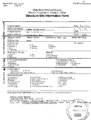
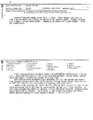
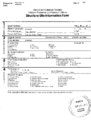
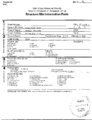
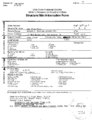
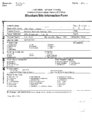
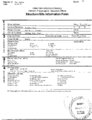
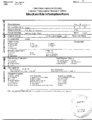
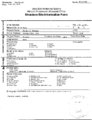
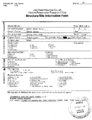
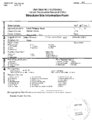
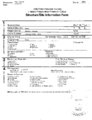
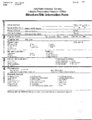
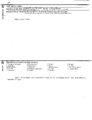
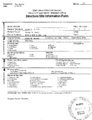
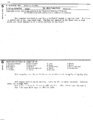
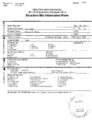
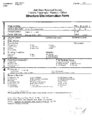
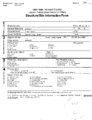
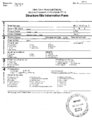
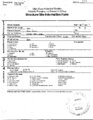
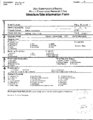
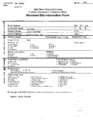
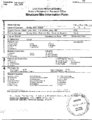
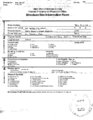
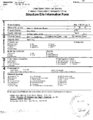
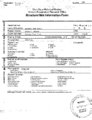
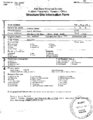
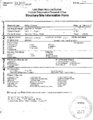
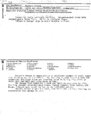
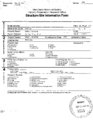
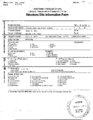
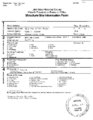
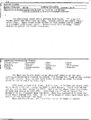
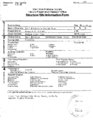
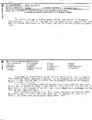
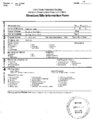
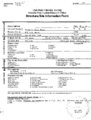
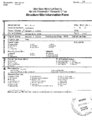
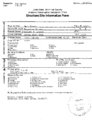
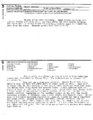
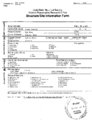
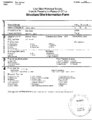
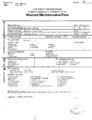
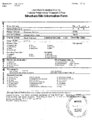
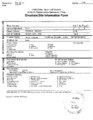
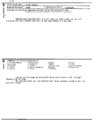
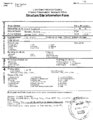
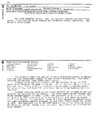
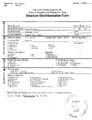
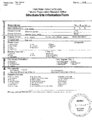
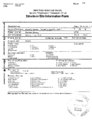
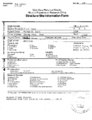
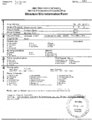
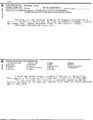
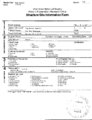
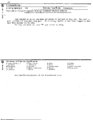
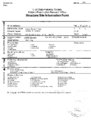
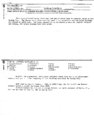
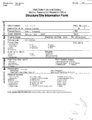
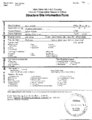
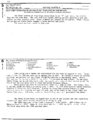
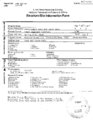
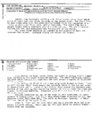
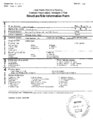
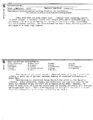
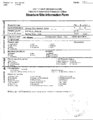
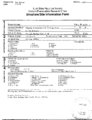
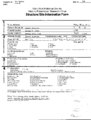
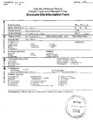
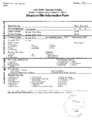
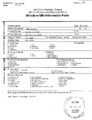
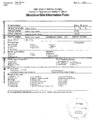
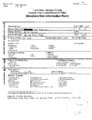
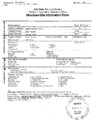
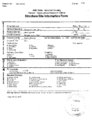
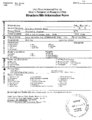
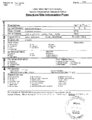
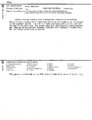
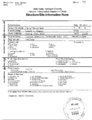
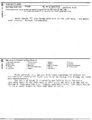
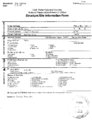
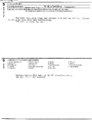
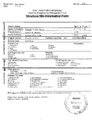
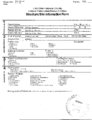
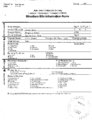
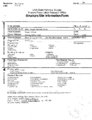
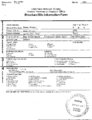
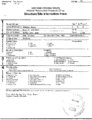
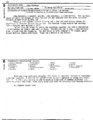
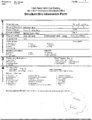
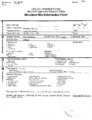
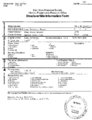
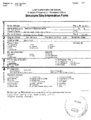
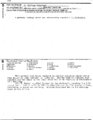
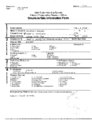
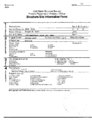
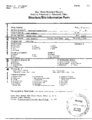
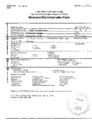
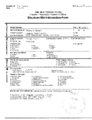
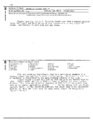
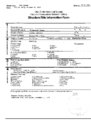
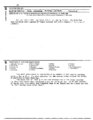
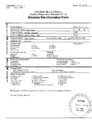
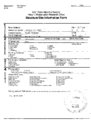
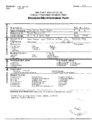
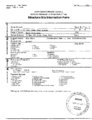
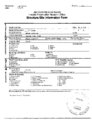
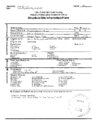
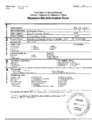
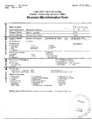
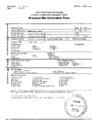
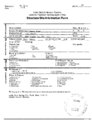
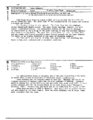
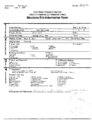
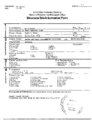
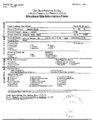
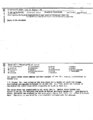
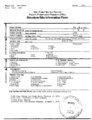
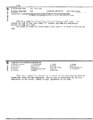
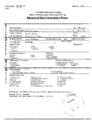
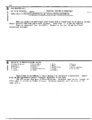
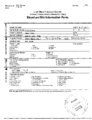
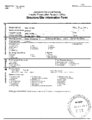
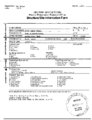
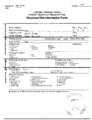
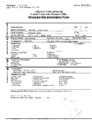
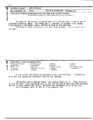
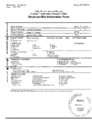
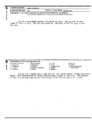
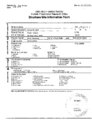
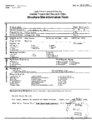
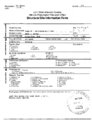
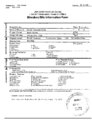
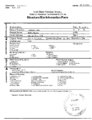
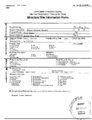
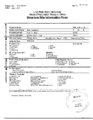
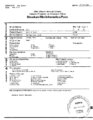
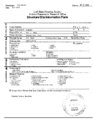
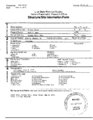
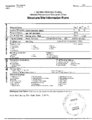
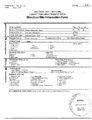
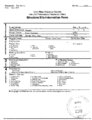
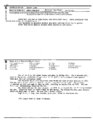
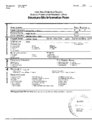
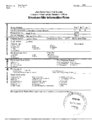
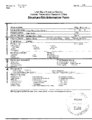
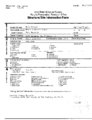
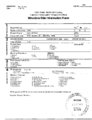
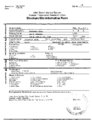
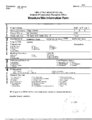
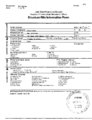
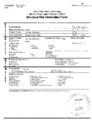
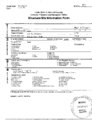
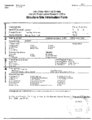
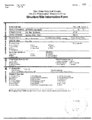
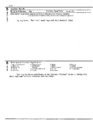
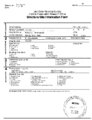
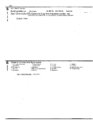
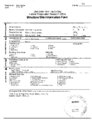
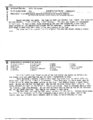
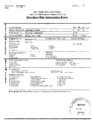
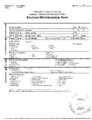
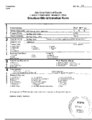
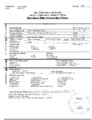
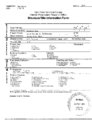
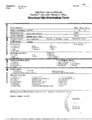
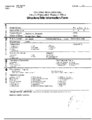
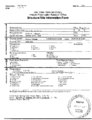
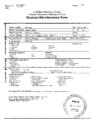
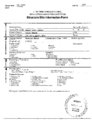
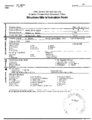
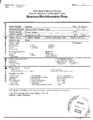
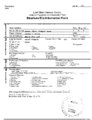
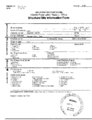
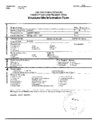
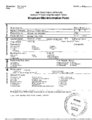
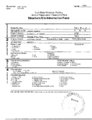
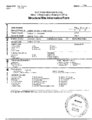
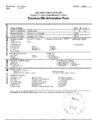
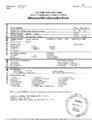
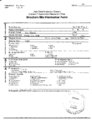
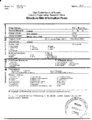
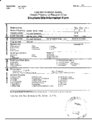
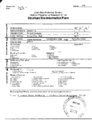
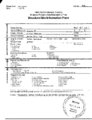
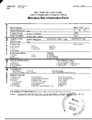
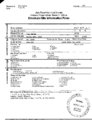
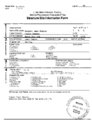
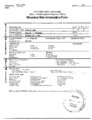
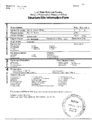
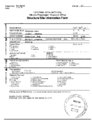
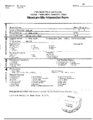
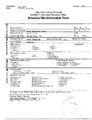
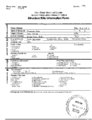
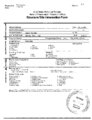
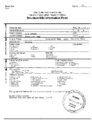
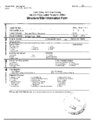
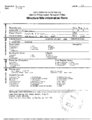
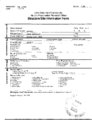
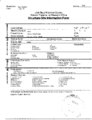
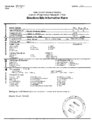
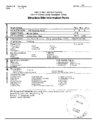
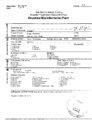
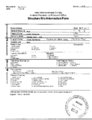
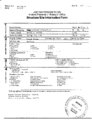
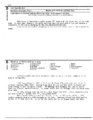
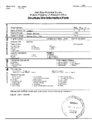
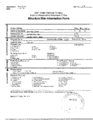
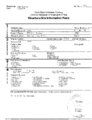
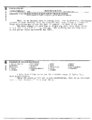
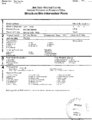
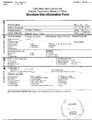
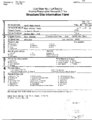
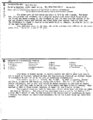
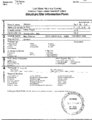
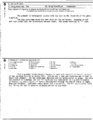
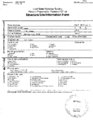
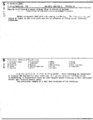
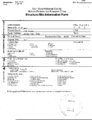
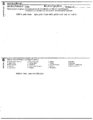
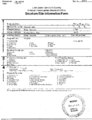
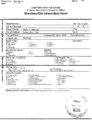
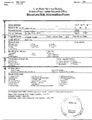
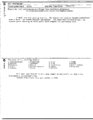
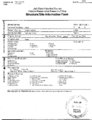
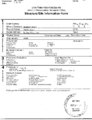
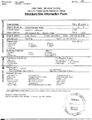
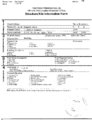
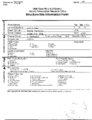
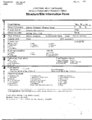
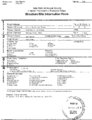
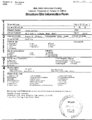
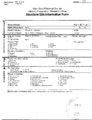
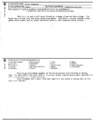
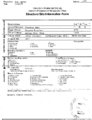
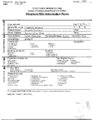
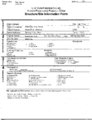
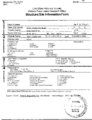
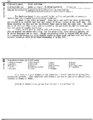
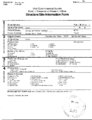
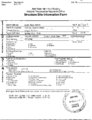
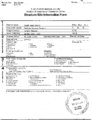
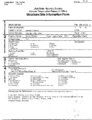
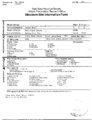
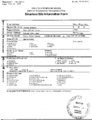
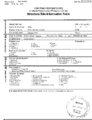
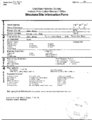
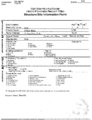
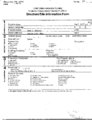
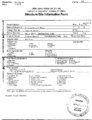
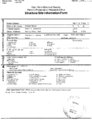
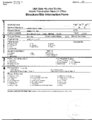
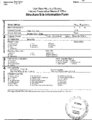
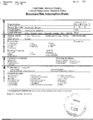
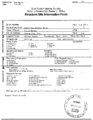
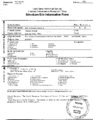
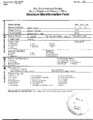
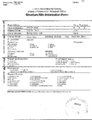
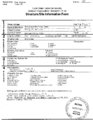
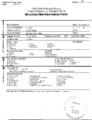
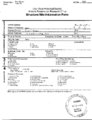
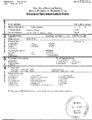
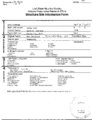
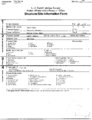
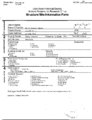
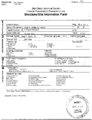
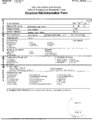
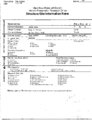
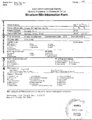
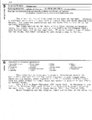
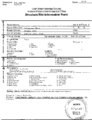
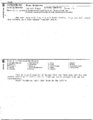
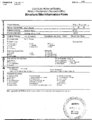
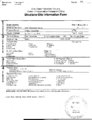
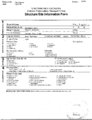
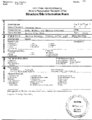
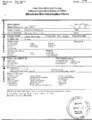
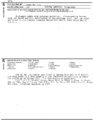
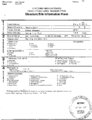
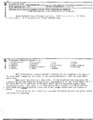
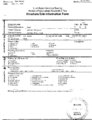
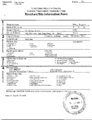
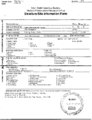
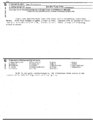
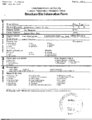
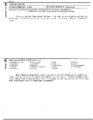
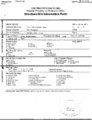
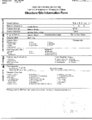
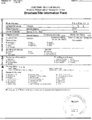
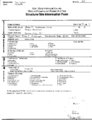
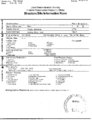
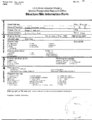
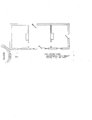
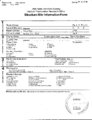
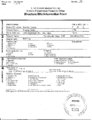
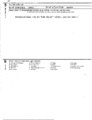
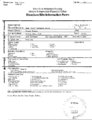
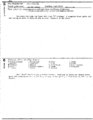
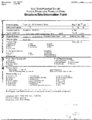
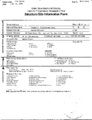
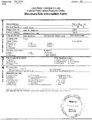
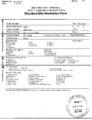
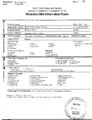
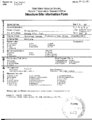
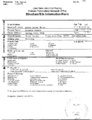
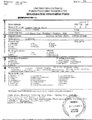
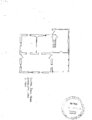
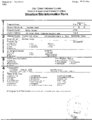
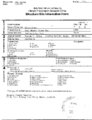
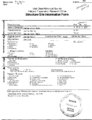
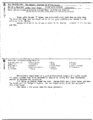
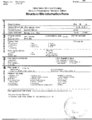
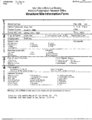
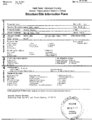
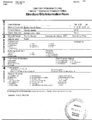
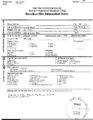
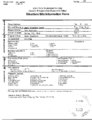
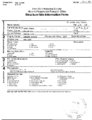
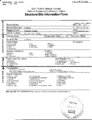
Show 5 IE j2 jjj Architect/Builder. Building Materials: stone Building Type/Style: vernacuiar Description of physical appearance & significant architectural features: ;-------------------------------'------------'---------------------"------------------------------------------------- (Include additions, alterations, ancillary structures, and landscaping if applicable) •r C« < Niels Borreson - ' . . ; This "I" type house has an unusual facade piercing pattern, upstairs the three openings are regularly spaced window/door/window, while on the ground floor, the openings run irregularly in a window/door/window/door/window situation. The house is rubble stone construction which has beed stuccoed recently. The interior plan is hall and parlor with a boxed staircase running up the back wall. Originally a brick and frame "L" existed to the rear. The stove chimneys are on the gables. Statement of Historical Significance: D Aboriginal Americans D Agriculture af Architecture D The Arts D Commerce D'Communication D Conservation D Education D Exploration/Settlement D Industry D D D D D Military Mining Minority Groups Political Recreation D D D D Religion Science Socio-Humanrtarian Transportation The house is an important contributor to the integrity of the Spring City district. Unusual in plan, the house represents one variation possible within the local folk building tradition. • Neils Borreson was born in Norway and was an early settler of Spring City. Neils served a Norwegian mission in 1876, Borreson's daughter, Mary Borreson Schofield, later owned the house and town legend purports that she and her daughter were the town prostitutes. The ladies would not accomodate visitors who tried to sneak in the back door and were open and frank about their activities. 1870 deed to Niels H. Borreson, 1874 sold to Hannie M. Nielsen for $200. Borreson buys it back in 1878 for $200. |