| OCR Text |
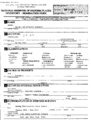
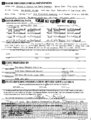
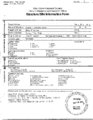
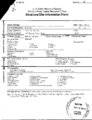
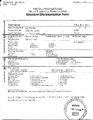
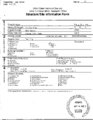
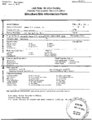
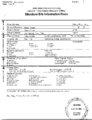
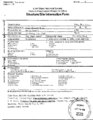
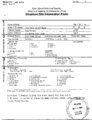
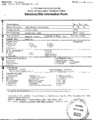
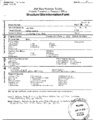
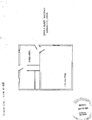
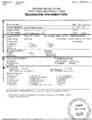
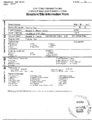
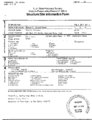
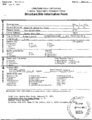
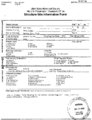
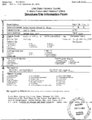
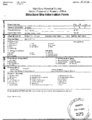
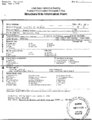
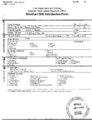
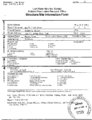
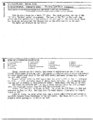
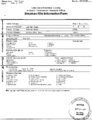
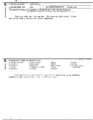
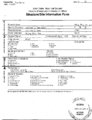
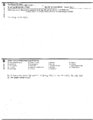
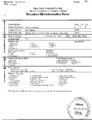
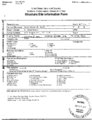
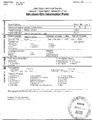
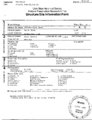
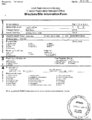
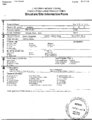
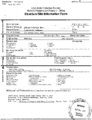
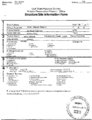
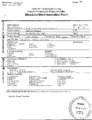
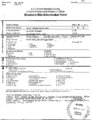
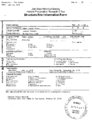
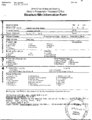
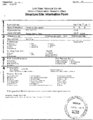
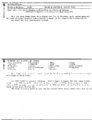
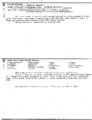
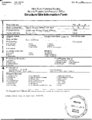
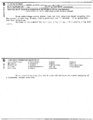
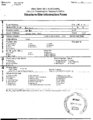
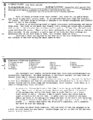
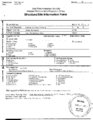
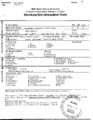
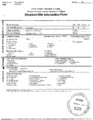
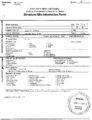
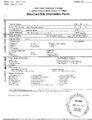
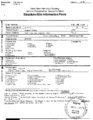
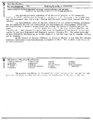
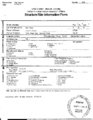
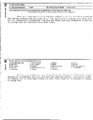
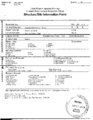
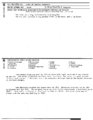
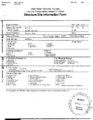
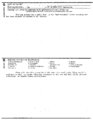
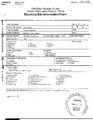
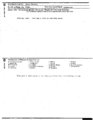
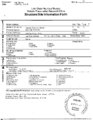
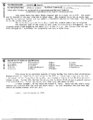
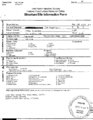
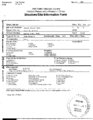
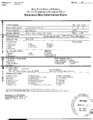
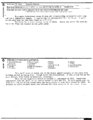
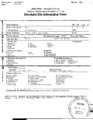
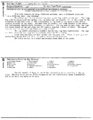
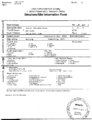
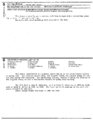
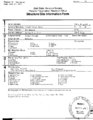
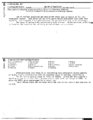
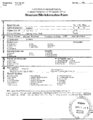
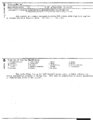
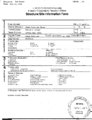
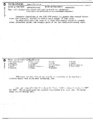
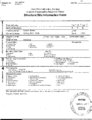
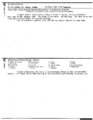
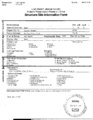
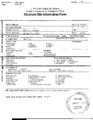
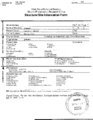
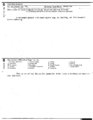
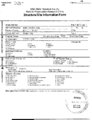
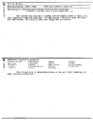
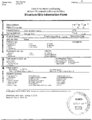
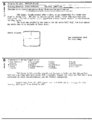
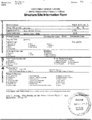
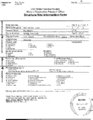
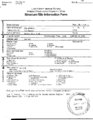
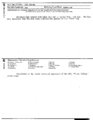
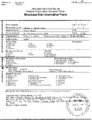
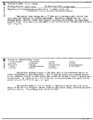
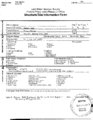
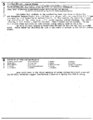
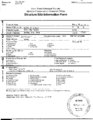
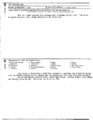
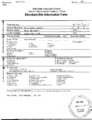
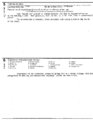
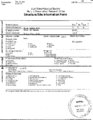
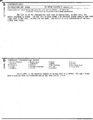
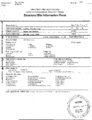
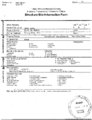
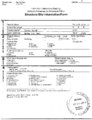
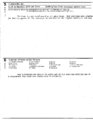
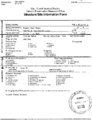
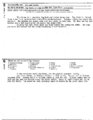
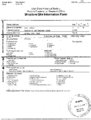
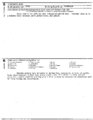
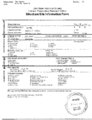
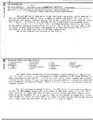
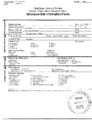
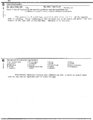
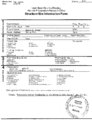
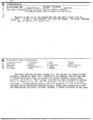
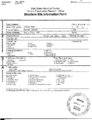
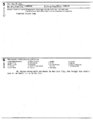
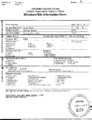
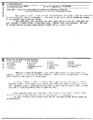
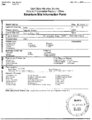
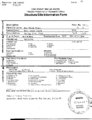
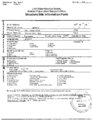
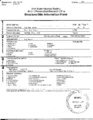
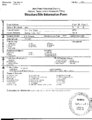
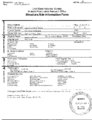
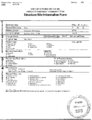
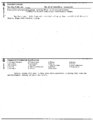
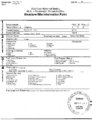
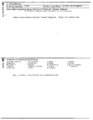
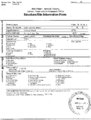
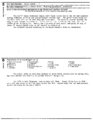
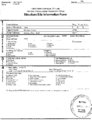
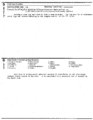
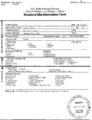
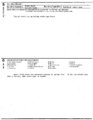
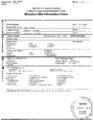
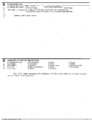
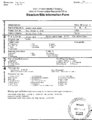
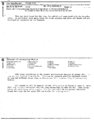
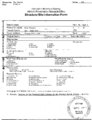
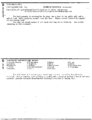
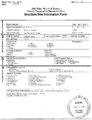
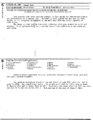
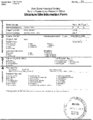
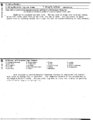
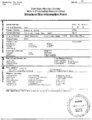
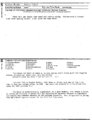
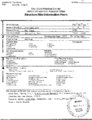
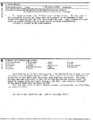
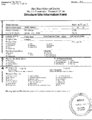
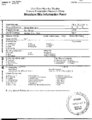
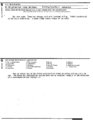
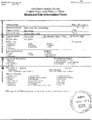
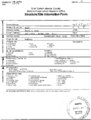
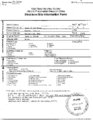
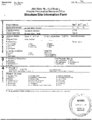
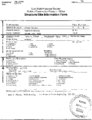
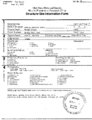
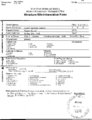
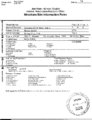
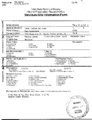
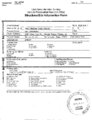
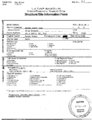
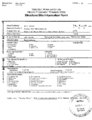
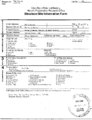
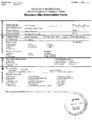
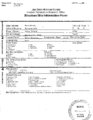
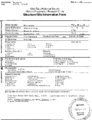
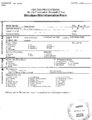
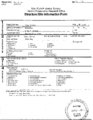
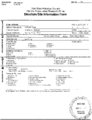
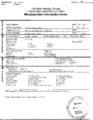
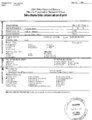
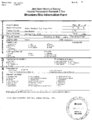
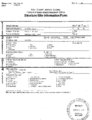
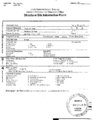
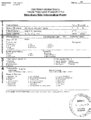
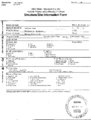
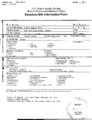
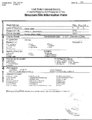
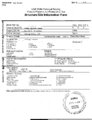
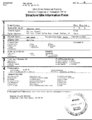
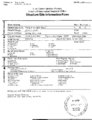
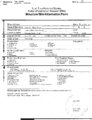
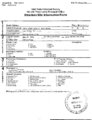
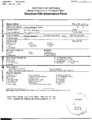
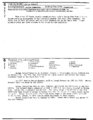
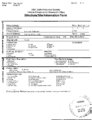
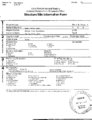
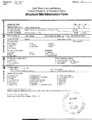
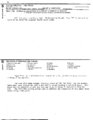
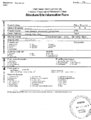
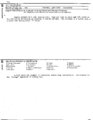
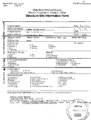
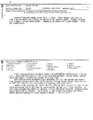
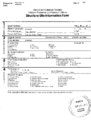
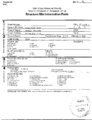
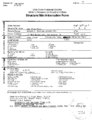
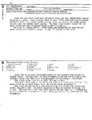
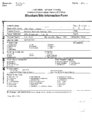
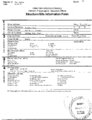
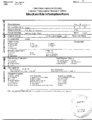
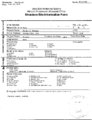
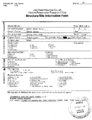
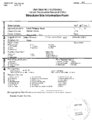
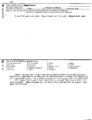
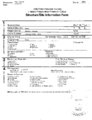
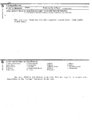
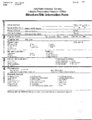
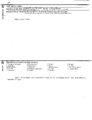
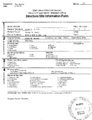
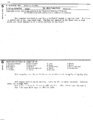
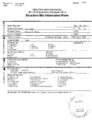
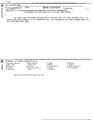
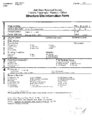
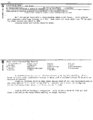
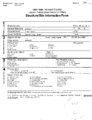
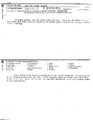
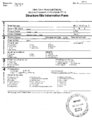
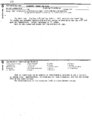
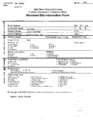
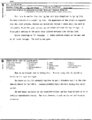
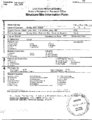
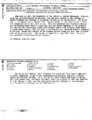
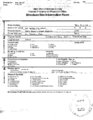
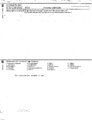
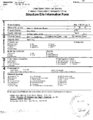
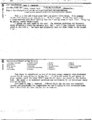
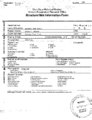
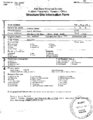
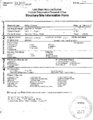
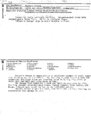
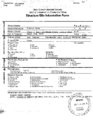
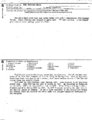
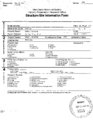
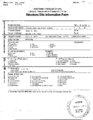
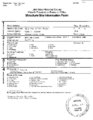
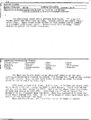
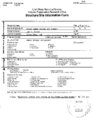
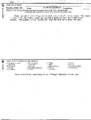
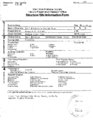
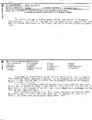
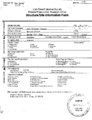
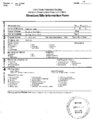
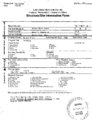
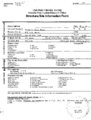
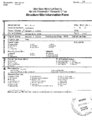
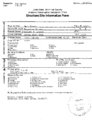
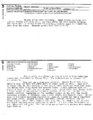
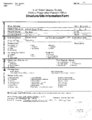
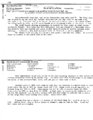
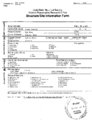
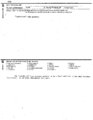
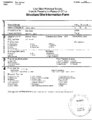
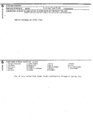
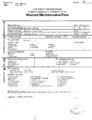
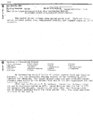
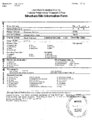
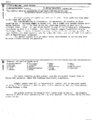
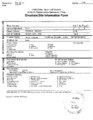
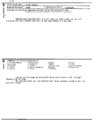
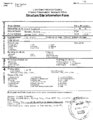
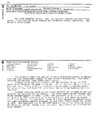
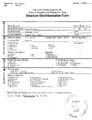
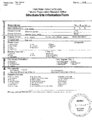
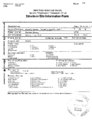
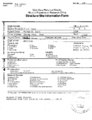
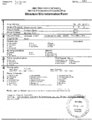
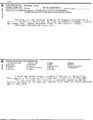
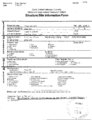
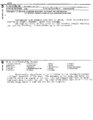
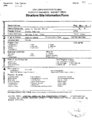
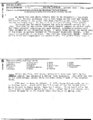
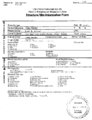
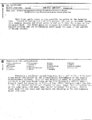
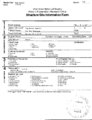
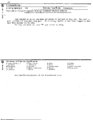
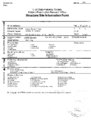
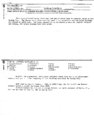
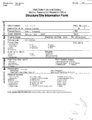
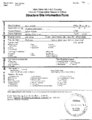
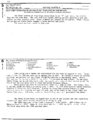
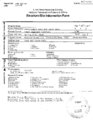
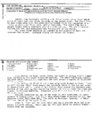
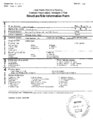
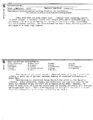
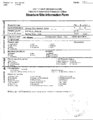
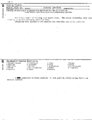
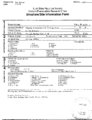
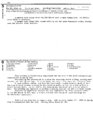
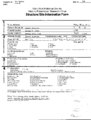
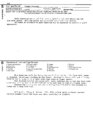
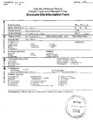
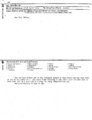
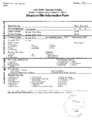
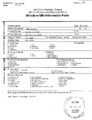
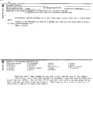
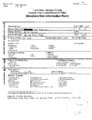
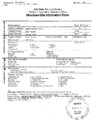
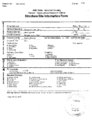
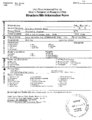
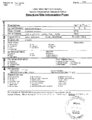
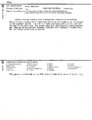
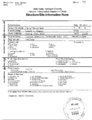
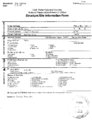
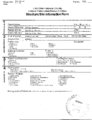
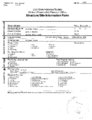
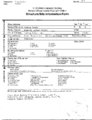
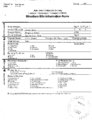
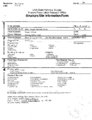
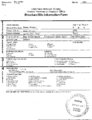
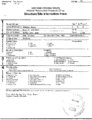
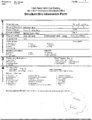
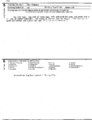
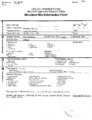
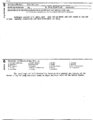
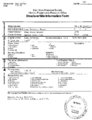
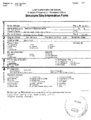
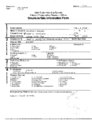
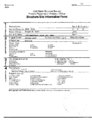
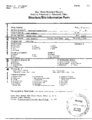
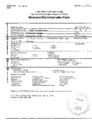
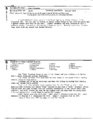
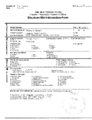
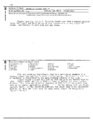
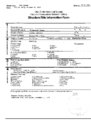
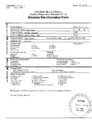
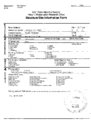
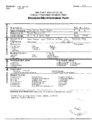
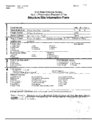
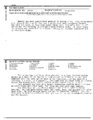
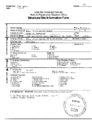
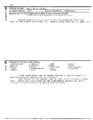
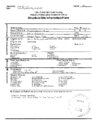
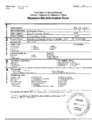
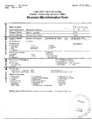
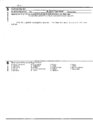
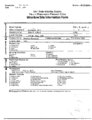
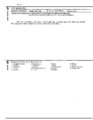
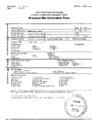
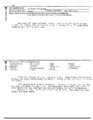
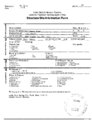
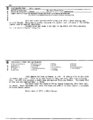
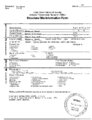
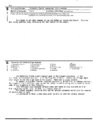
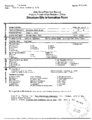
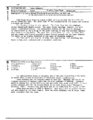
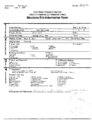
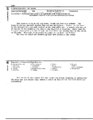
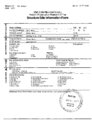
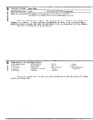
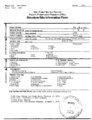
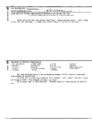
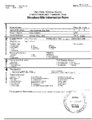
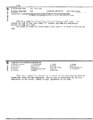
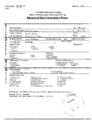
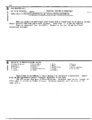
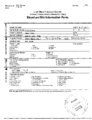
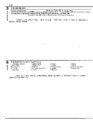
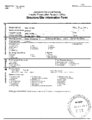
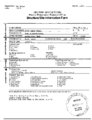
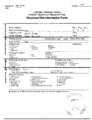
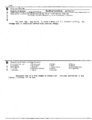
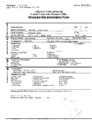
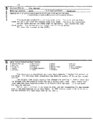
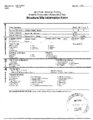
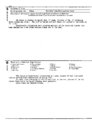
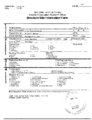
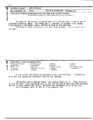
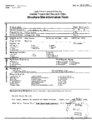
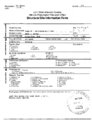
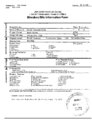
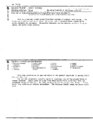
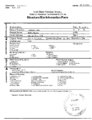
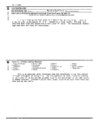
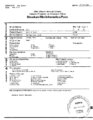
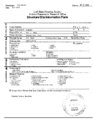
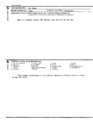
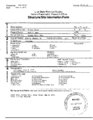
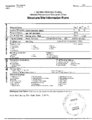
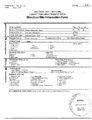
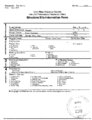
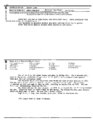
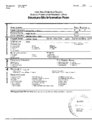
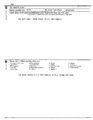
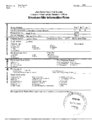
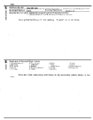
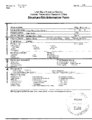
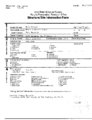
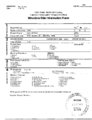
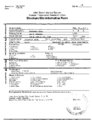
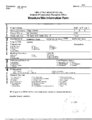
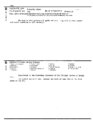
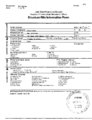
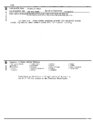
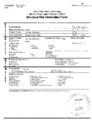
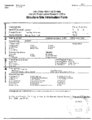
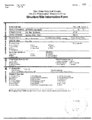
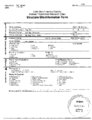
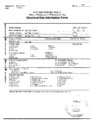
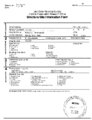
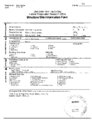
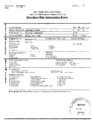
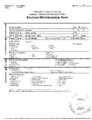
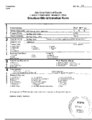
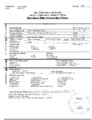
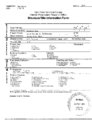
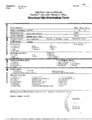
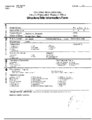
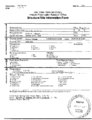
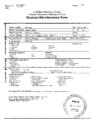
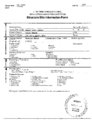
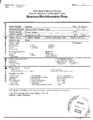
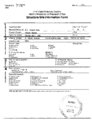
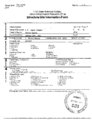
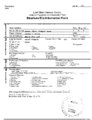
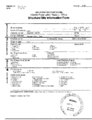
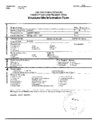
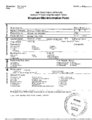
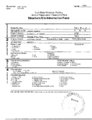
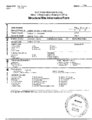
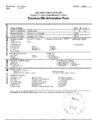
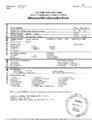
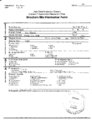
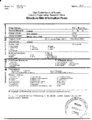
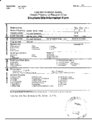
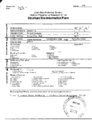
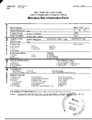
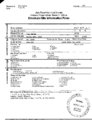
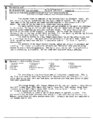
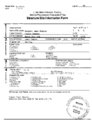
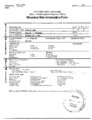
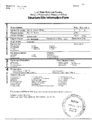
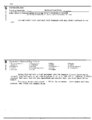
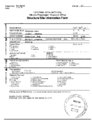
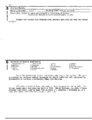
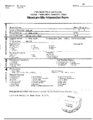
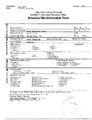
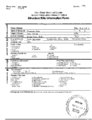
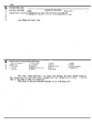
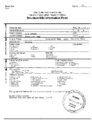
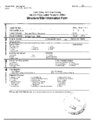
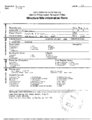
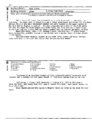
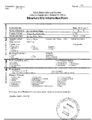
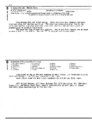
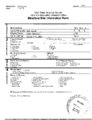
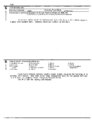
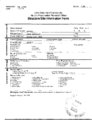
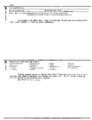
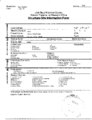
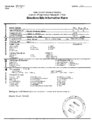
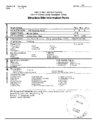
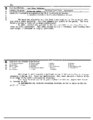
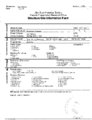
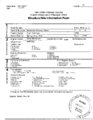
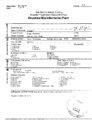
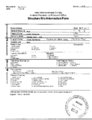
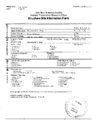
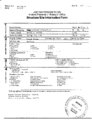
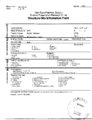
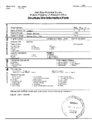
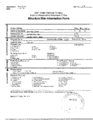
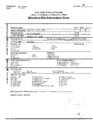
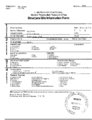
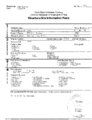
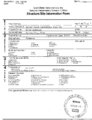
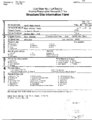
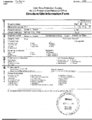
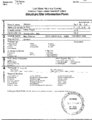
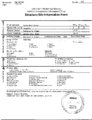
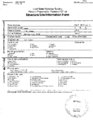
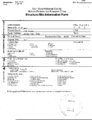
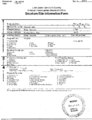
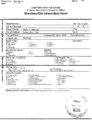
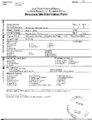
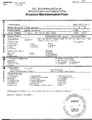
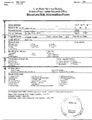
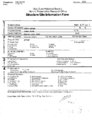
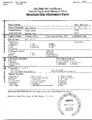
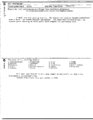
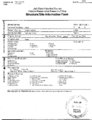
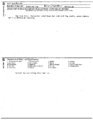
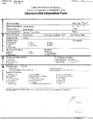
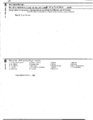
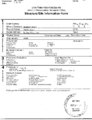
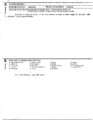
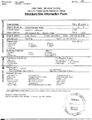
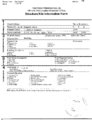
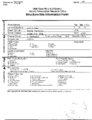
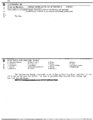
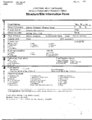
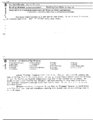
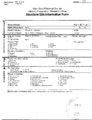
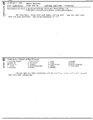
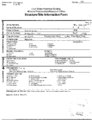
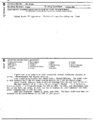
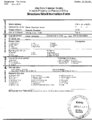
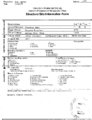
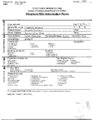
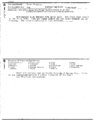
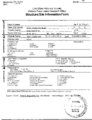
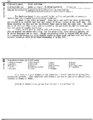
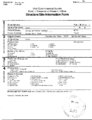
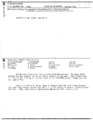
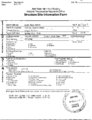
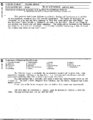
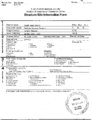
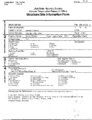
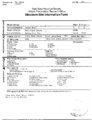
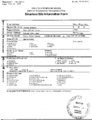
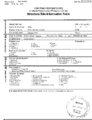
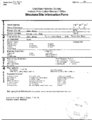
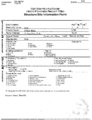
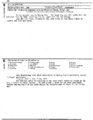
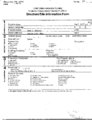
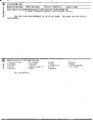
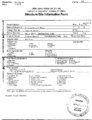
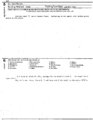
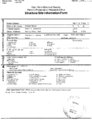
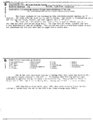
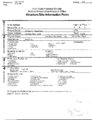
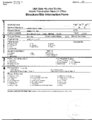
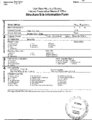
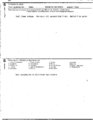
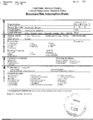
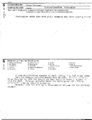
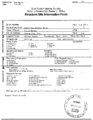
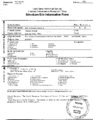
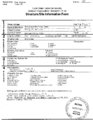
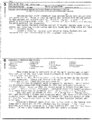
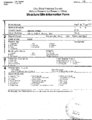
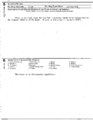
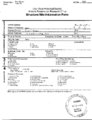
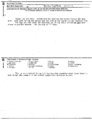
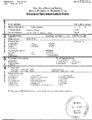
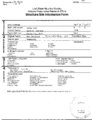
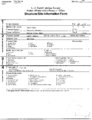
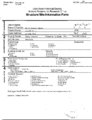
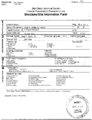
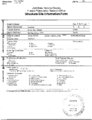
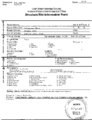
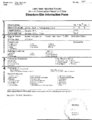
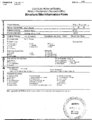
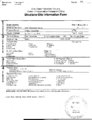
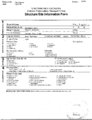
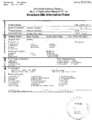
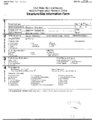
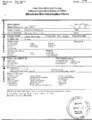
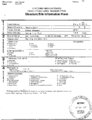
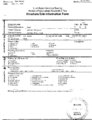
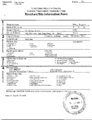
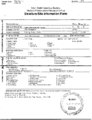
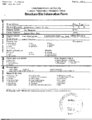
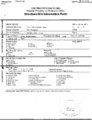
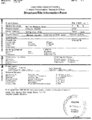
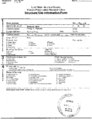
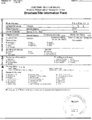
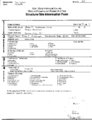
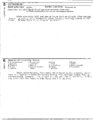
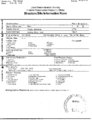
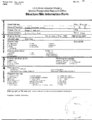
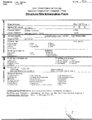
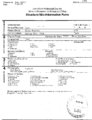
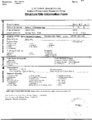
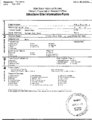
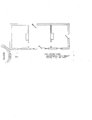
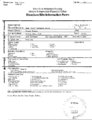
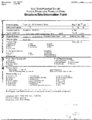
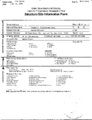
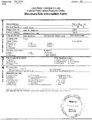
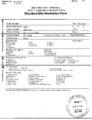
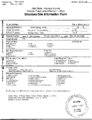
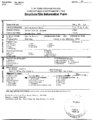
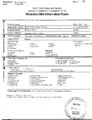
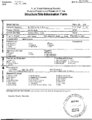
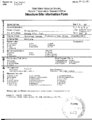
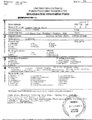
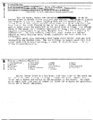
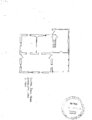
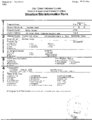
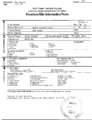
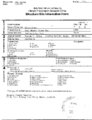
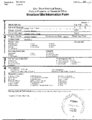
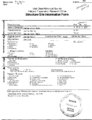
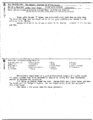
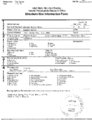
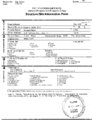
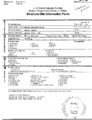
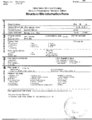
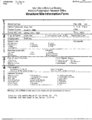
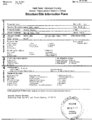
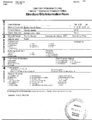
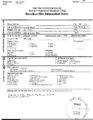
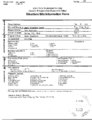
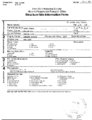
Show Architect/Builder: John Stack Building Materials: log__________ Building Type/Style: vernacular Description of physical appearance & significant architectural features: ______ (Include additions, alterations, ancillary structures, and landscaping if applicable) This site contains two log "square cabin" type houses which have been connected by a frame passage. The two log sections were constructed at different times and effect ively demonstrate the changing building technology of the area. The east section of the building is the oldest, probably built in the years before 1880. The plan is roughly square with a three opening facade and one gable end chimney. The logs are hewed square on the sides and joined at the corners with a "v" notch. The ends of the logs extend slightly past the corner of the house. The west section is also roughly square and has only one center front window. The flue is located about half way between ridge and eaves on the end. This section dates from the early 20th century and is constructed of squared sawed logs joined with a full covetail corner notch. Statement of Historical Significance: > O c5 I P a E a a Aboriginal Americans Agriculture Architecture The Arts Commerce D a Q D a Communication Conservation Education Exploration/Settlement Industry D O Q D D Military Mining Minority Groups Political Recreation a Q D a Religion Science Socio-Humanitarian Transportation This house is architecturally important because it illustrates two important log building phases in Sanpete Valley. The 19th century tradition included hand-hewed timbers and a variety of corner notches. By the early 20th century, logs were sawed square and the full-dovetail increasingly became standardized. The original log house was erected by John Stack. |