| OCR Text |
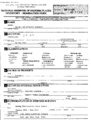
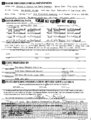
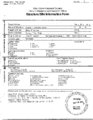
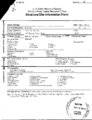
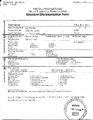
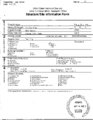
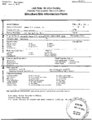
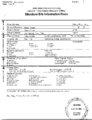
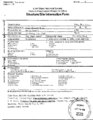
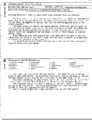
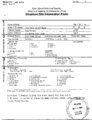
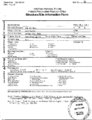
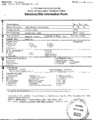
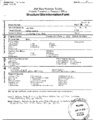
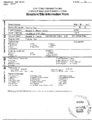
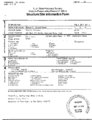
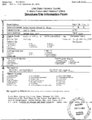
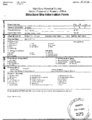
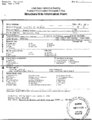
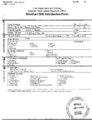
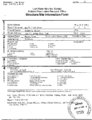
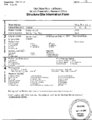
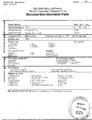
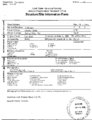
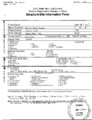
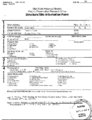
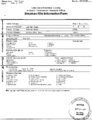
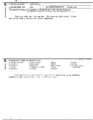
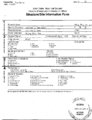
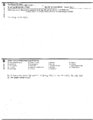
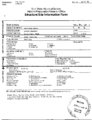
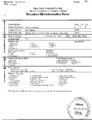
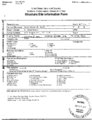
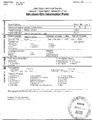
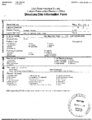
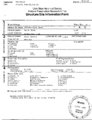
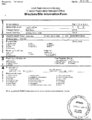
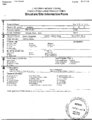
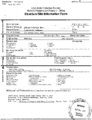
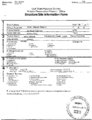
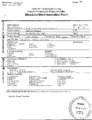
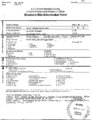
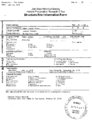
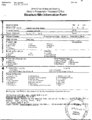
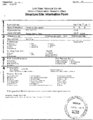
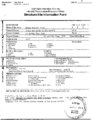
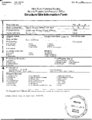
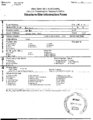
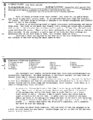
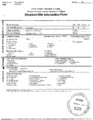
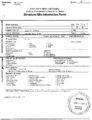
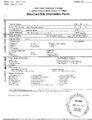
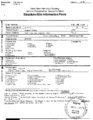
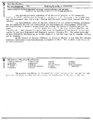
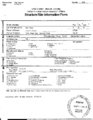
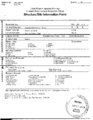
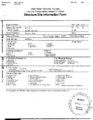
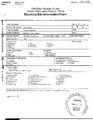
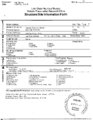
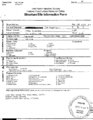
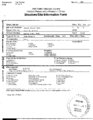
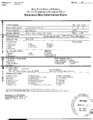
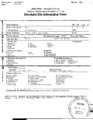
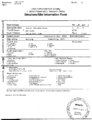
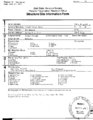
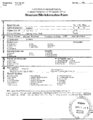
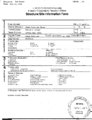
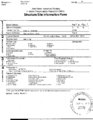
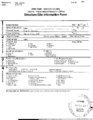
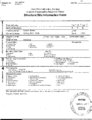
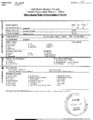
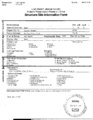
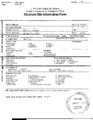
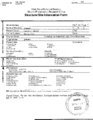
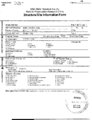
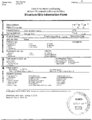
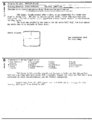
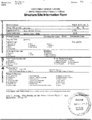
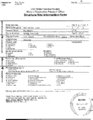
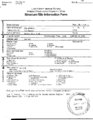
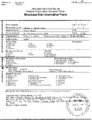
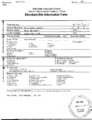
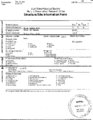
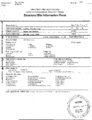
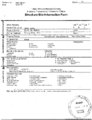
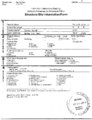
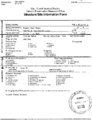
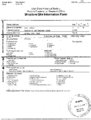
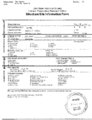
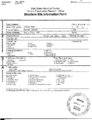
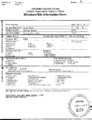
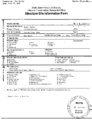
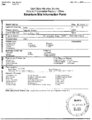
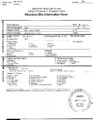
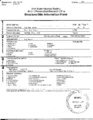
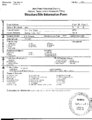
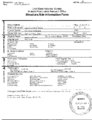
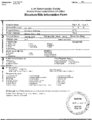
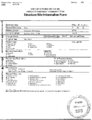
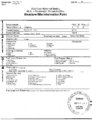
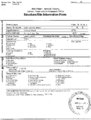
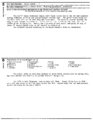
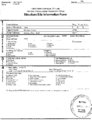
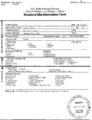
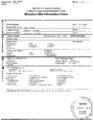
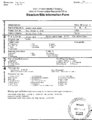
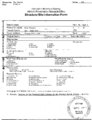
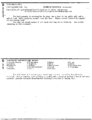
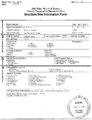
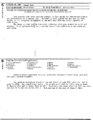
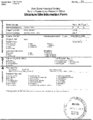
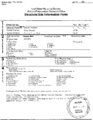
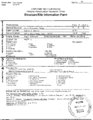
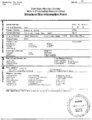
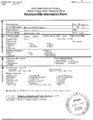
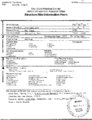
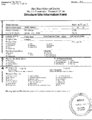
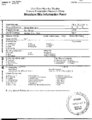
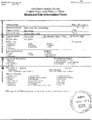
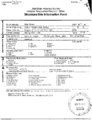
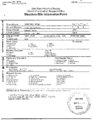
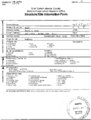
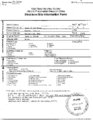
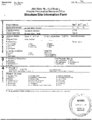
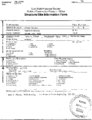
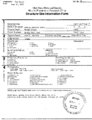
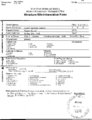
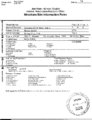
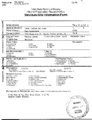
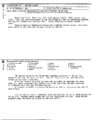
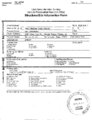
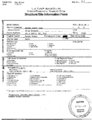
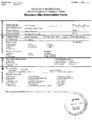
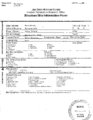
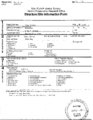
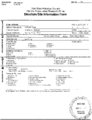
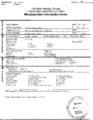
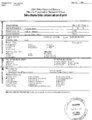
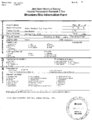
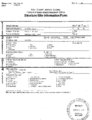
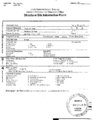
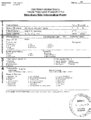
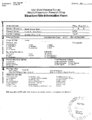
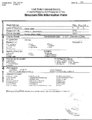
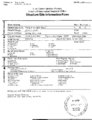
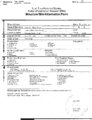
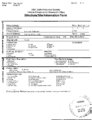
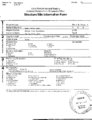
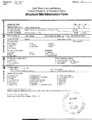
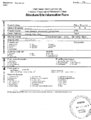
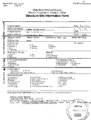
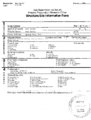
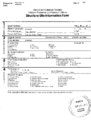
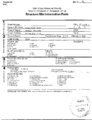
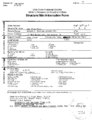
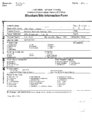
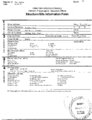
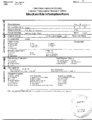
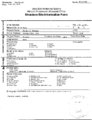
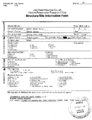
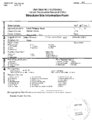
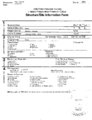
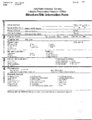
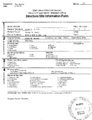
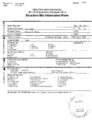
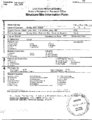
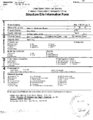
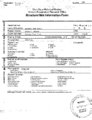
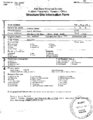
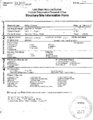
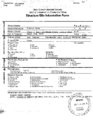
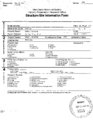
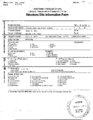
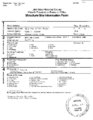
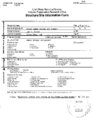
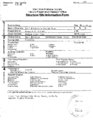
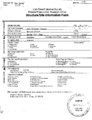
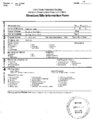
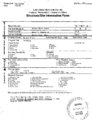
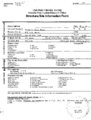
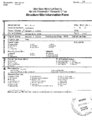
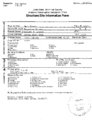
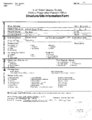
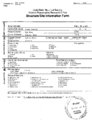
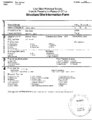
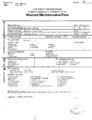
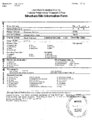
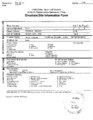
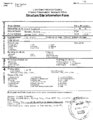
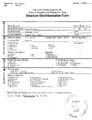
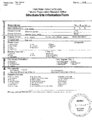
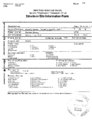
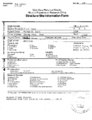
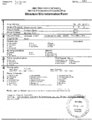
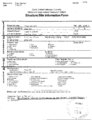
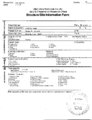
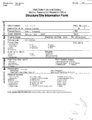
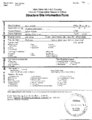
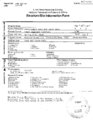
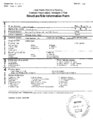
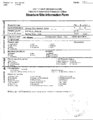
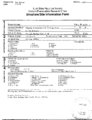
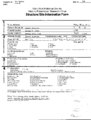
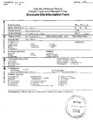
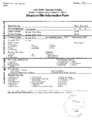
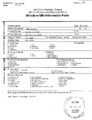
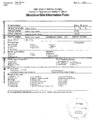
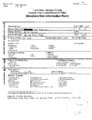
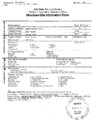
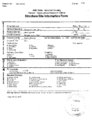
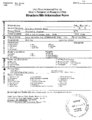
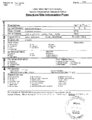
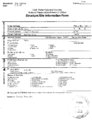
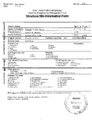
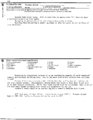
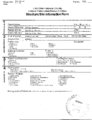
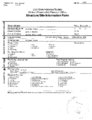
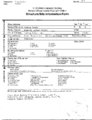
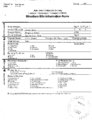
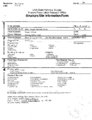
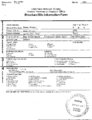
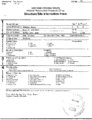
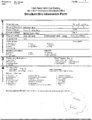
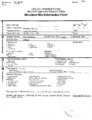
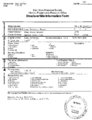
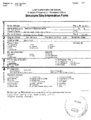
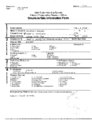
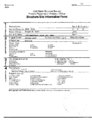
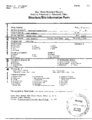
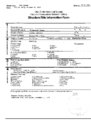
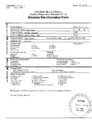
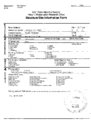
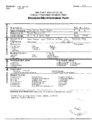
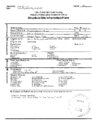
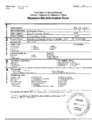
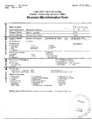
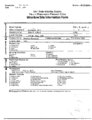
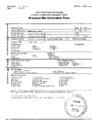
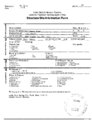
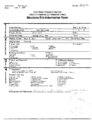
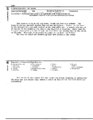
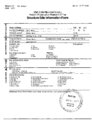
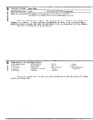
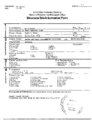
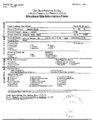
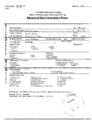
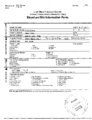
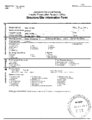
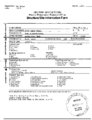
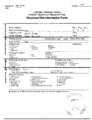
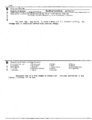
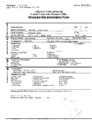
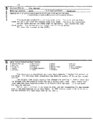
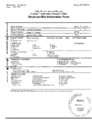
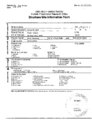
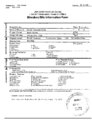
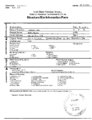
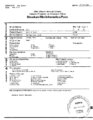
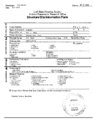
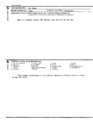
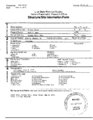
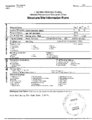
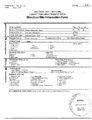
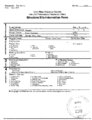
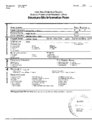
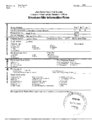
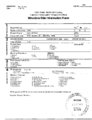
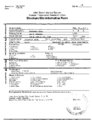
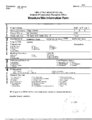
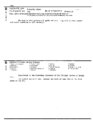
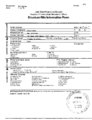
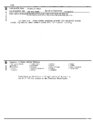
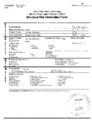
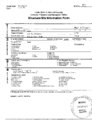
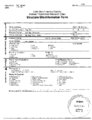
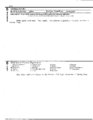
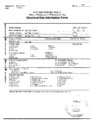
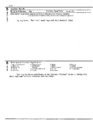
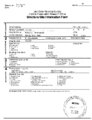
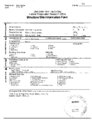
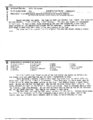
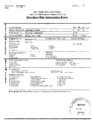
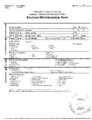
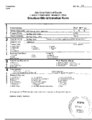
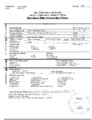
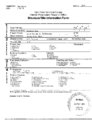
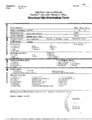
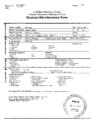
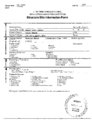
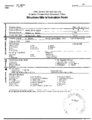
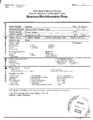
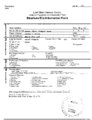
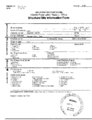
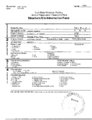
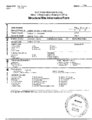
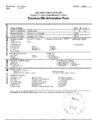
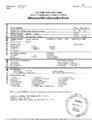
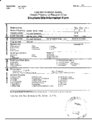
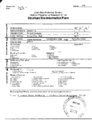
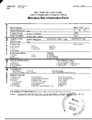
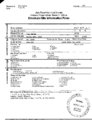
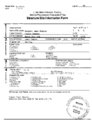
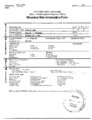
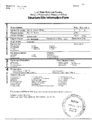
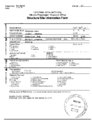
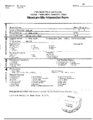
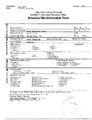
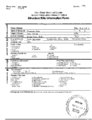
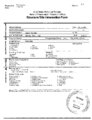
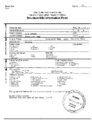
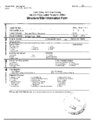
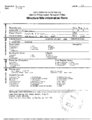
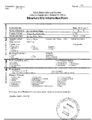
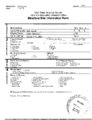
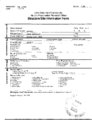
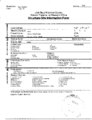
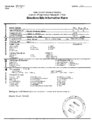
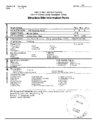
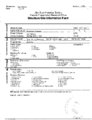
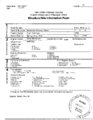
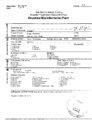
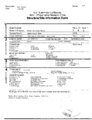
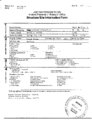
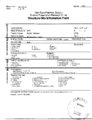
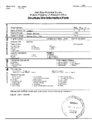
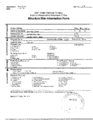
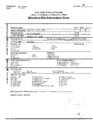
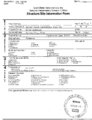
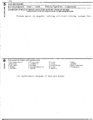
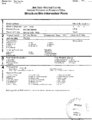
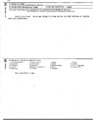
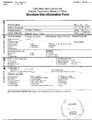
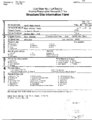
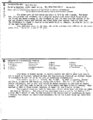
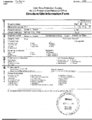
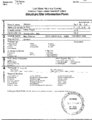
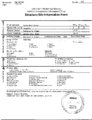
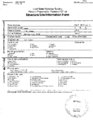
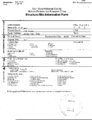
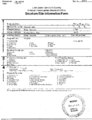
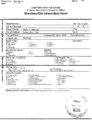
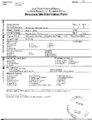
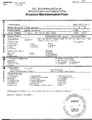
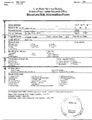
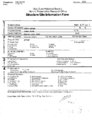
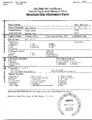
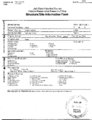
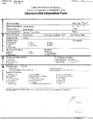
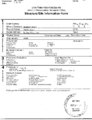
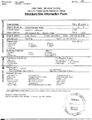
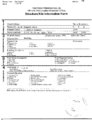
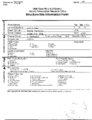
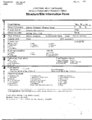
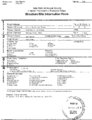
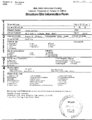
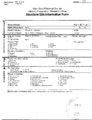
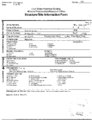
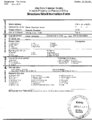
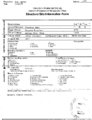
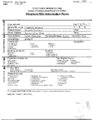
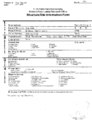
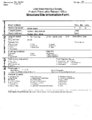
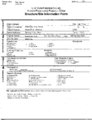
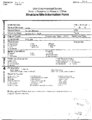
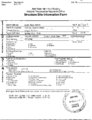
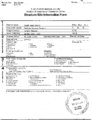
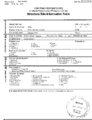
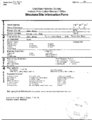
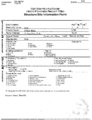
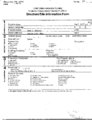
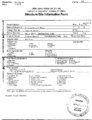
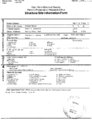
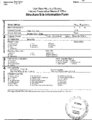
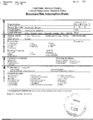
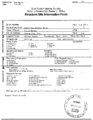
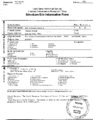
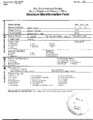
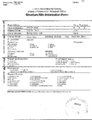
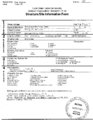
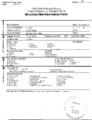
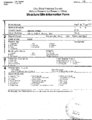
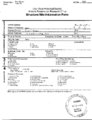
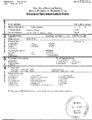
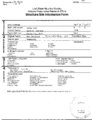
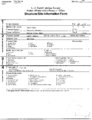
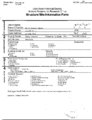
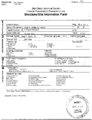
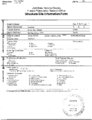
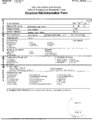
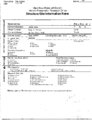
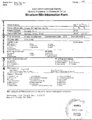
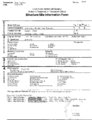
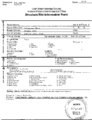
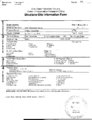
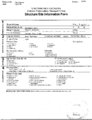
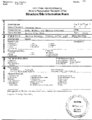
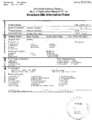
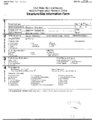
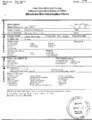
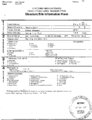
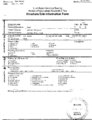
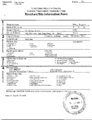
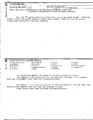
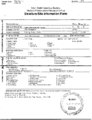
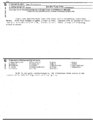
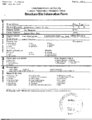
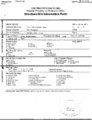
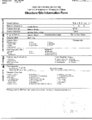
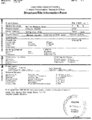
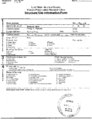
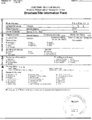
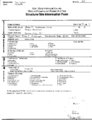
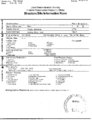
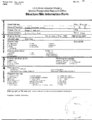
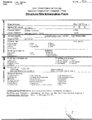
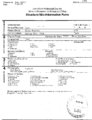
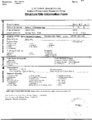
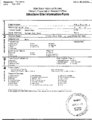
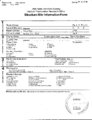
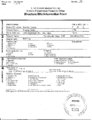
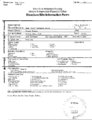
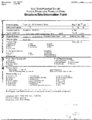
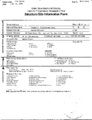
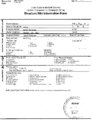
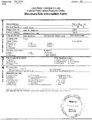
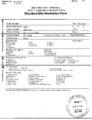
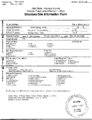
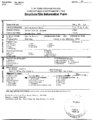
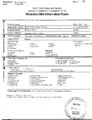
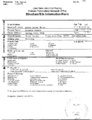
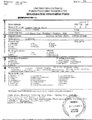
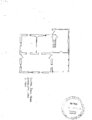
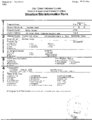
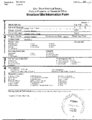
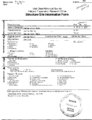
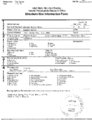
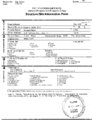
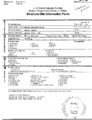
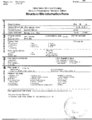
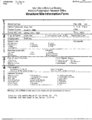
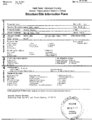
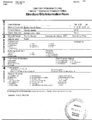
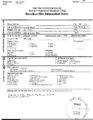
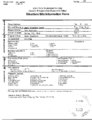
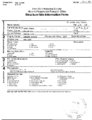
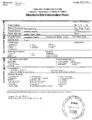
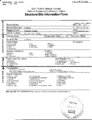
Show Architect/Builder: jens petersen Building Type/Style: pattern book Building Materials: brick Description of physical appearance & significant architectural features: (Include additions, alterations, ancillary structures, and landscaping if applicable) A one-and-a-half story pattern book house employing design feature of the Victorian Era. The hip roof is broken by gables which extend to the west and north and a gabled dormer door also on the west. Classic elements are most pronounced with a pediment window frontspiece, Corinthian Columns on porch. Heavily rusticated lintels (the upper west one round) and leaded windows. Statement of Historical Significance: a Aboriginal Americans D Agriculture B^Architecture D The Arts D Commerce Q D D D D Communication Conservation Education Exploration/Settlement Industry a D Q D D Military Mining Minority Groups Political Recreation D D 0 D Religion Science Socio-Humanitarian Transportation The "King" Petersen house is one of the finest and most elaborate of Spring City's early twentieth century dwellings. Jim (Jens) Petersen initiated work on this house in the early 1900's, taking several years to complete it. Petersen was of Danish parentage and made his living in Spring City raising sheep and became quite wealthy. Local tradition extends three explanations for the "King" epithet. Some maintain that Petersen was called "King" because he was such a "swell" dresser; others venture that the name stemmed from his economic prominence in the Danish North ward district; and still others say that he was tagged with the name when returning home from his mission with a wife whom he called his "queen." Henry Taylor gets the 1870 deed. 1880 Issac W. Behunnin buys for $80. 1883 Behunnin to Erastus H.S. Rasmussen for $200. James C. Petersen buys in 1900. James C. Petersen, 1910 mortgage on land for $1,400. |