| OCR Text |
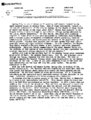
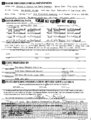
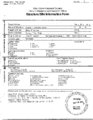
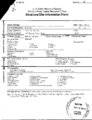
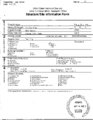
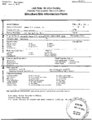
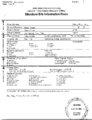
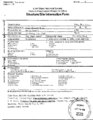
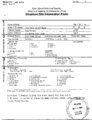
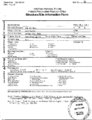
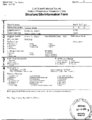
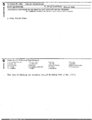
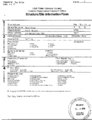
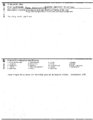
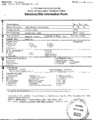
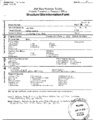
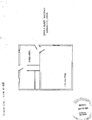
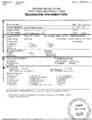
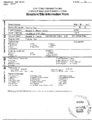
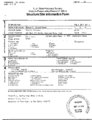
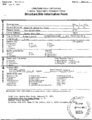
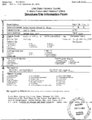
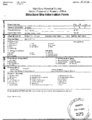
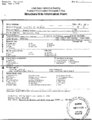
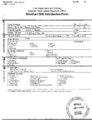
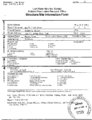
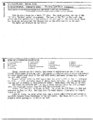
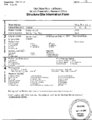
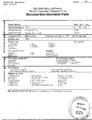
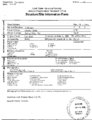
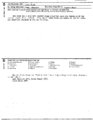
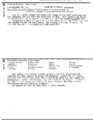
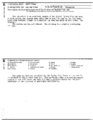
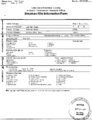
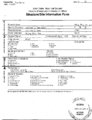
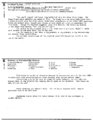
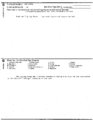
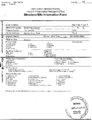
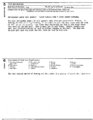
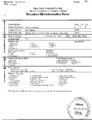
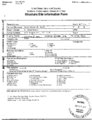
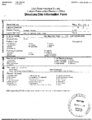
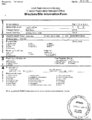
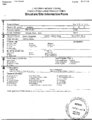
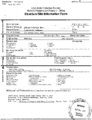
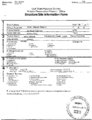
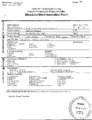
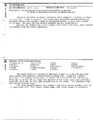
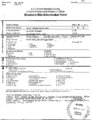
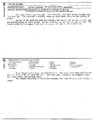
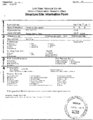
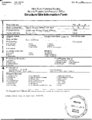
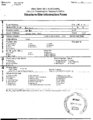
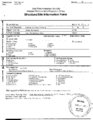
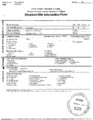
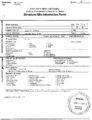
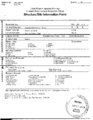
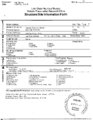
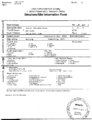
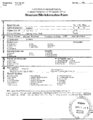
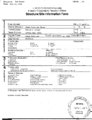
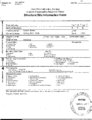
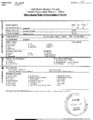
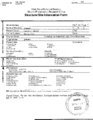
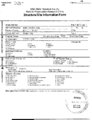
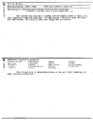
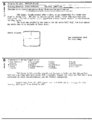
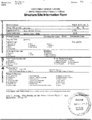
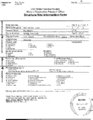
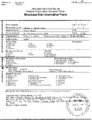
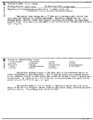
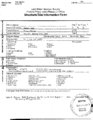
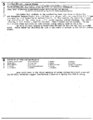
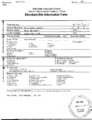
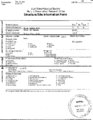
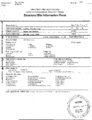
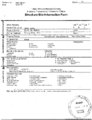
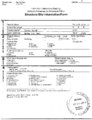
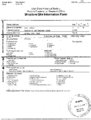
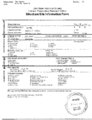
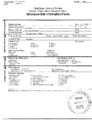
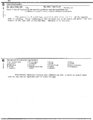
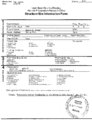
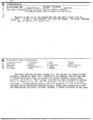
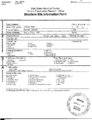
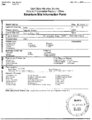
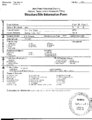
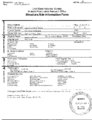
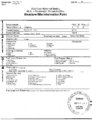
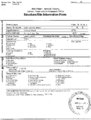
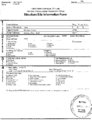
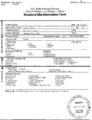
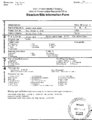
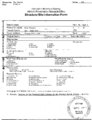
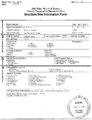
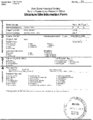
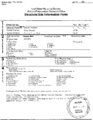
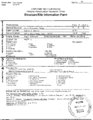
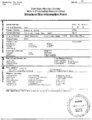
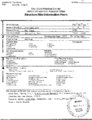
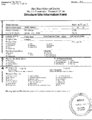
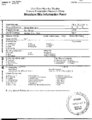
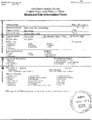
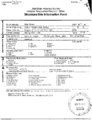
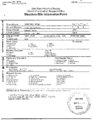
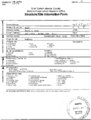
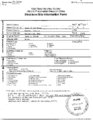
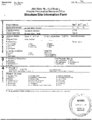
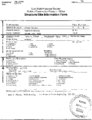
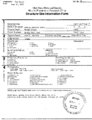
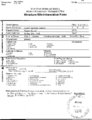
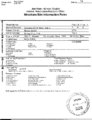
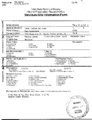
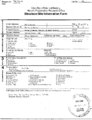
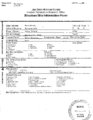
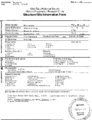
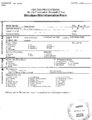
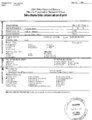
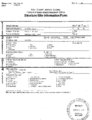
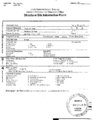
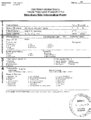
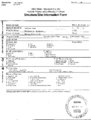
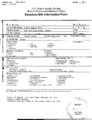
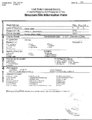
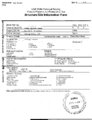
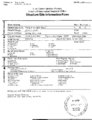
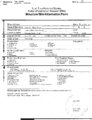
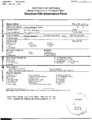
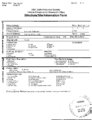
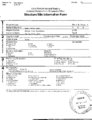
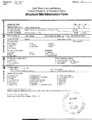
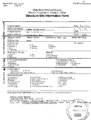
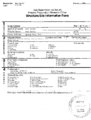
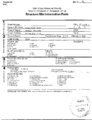
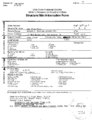
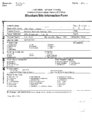
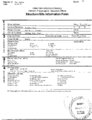
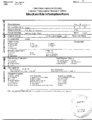
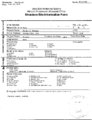
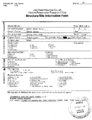
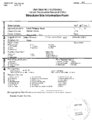
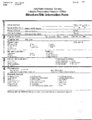
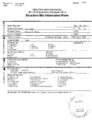
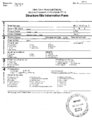
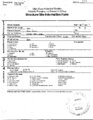
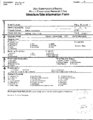
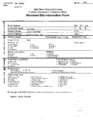
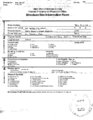
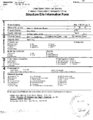
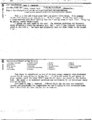
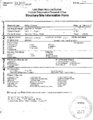
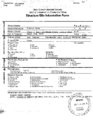
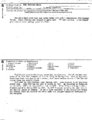
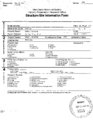
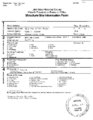
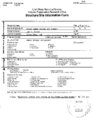
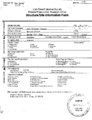
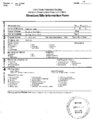
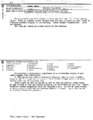
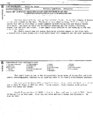
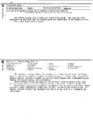
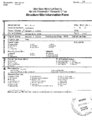
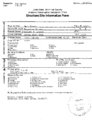
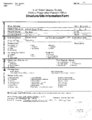
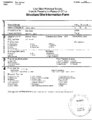
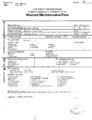
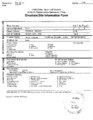
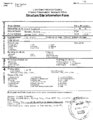
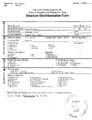
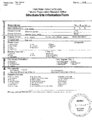
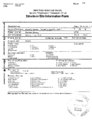
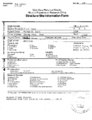
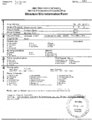
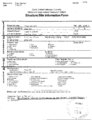
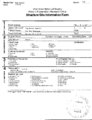
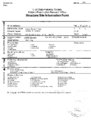
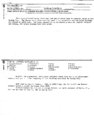
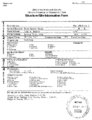
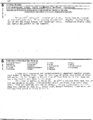
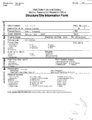
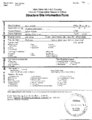
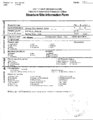
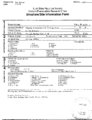
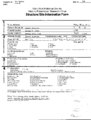
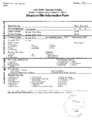
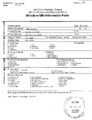
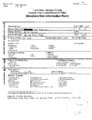
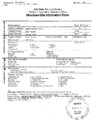
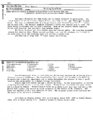
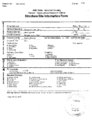
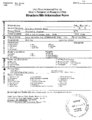
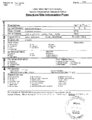
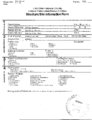
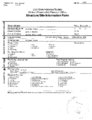
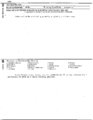
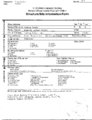
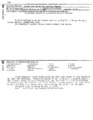
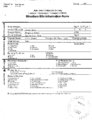
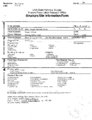
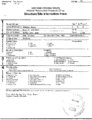
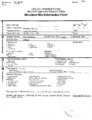
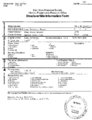
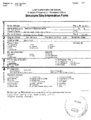
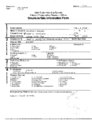
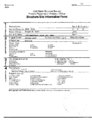
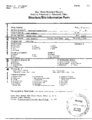
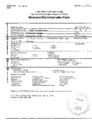
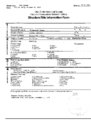
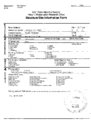
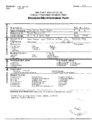
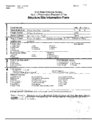
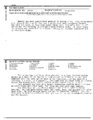
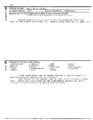
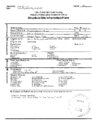
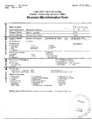
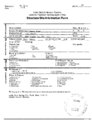
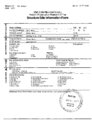
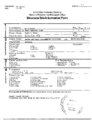
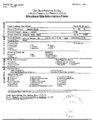
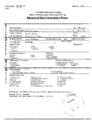
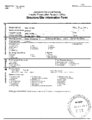
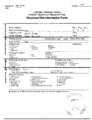
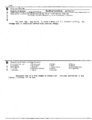
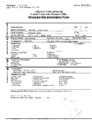
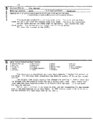
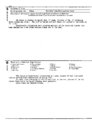
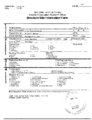
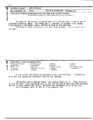
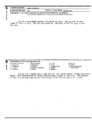
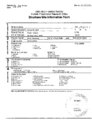
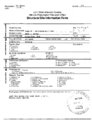
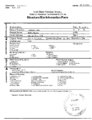
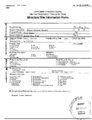
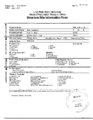
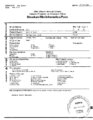
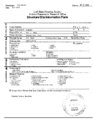
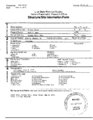
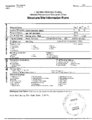
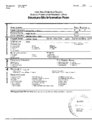
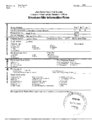
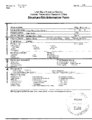
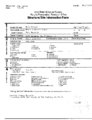
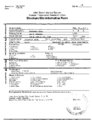
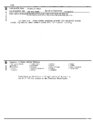
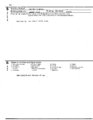
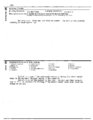
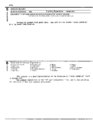
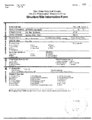
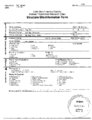
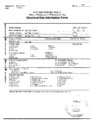
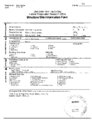
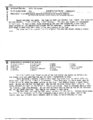
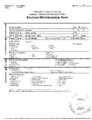
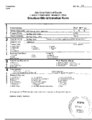
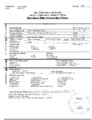
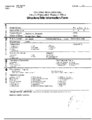
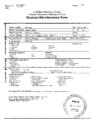
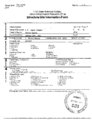
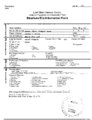
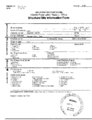
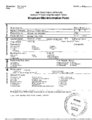
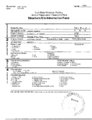
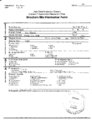
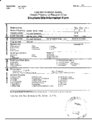
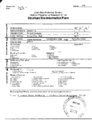
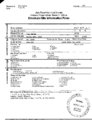
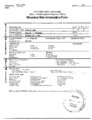
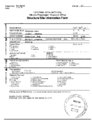
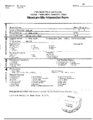
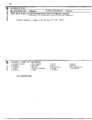
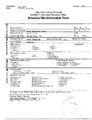
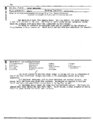
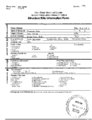
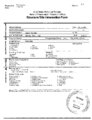
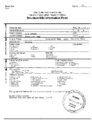
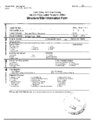
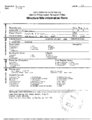
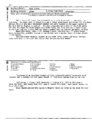
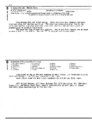
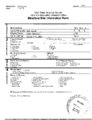
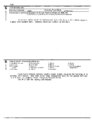
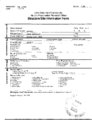
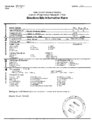
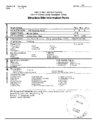
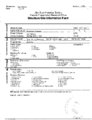
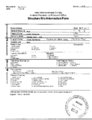
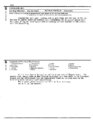
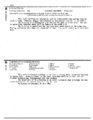
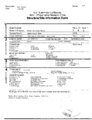
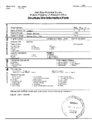
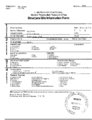
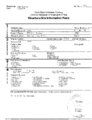
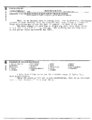
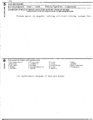
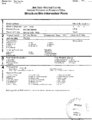
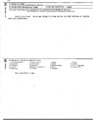
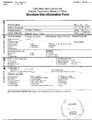
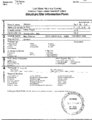
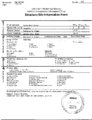
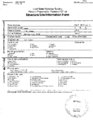
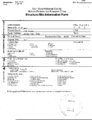
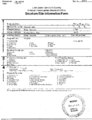
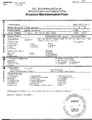
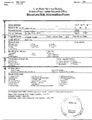
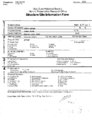
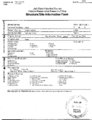
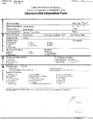
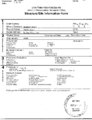
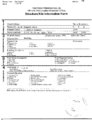
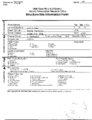
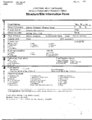
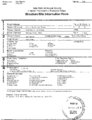
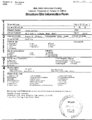
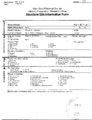
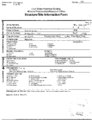
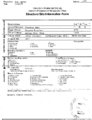
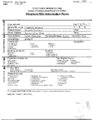
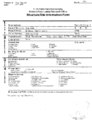
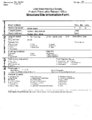
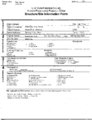
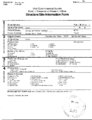
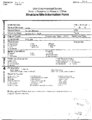
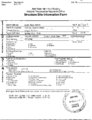
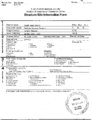
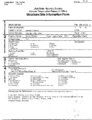
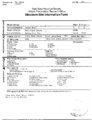
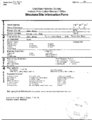
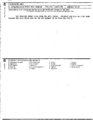
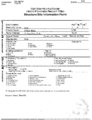
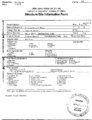
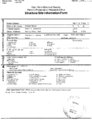
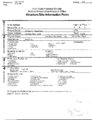
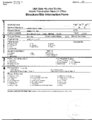
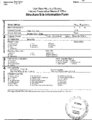
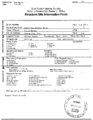
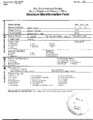
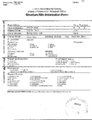
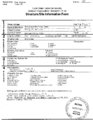
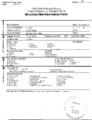
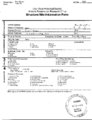
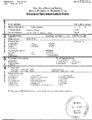
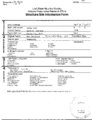
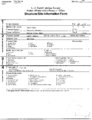
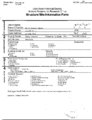
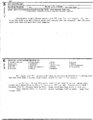
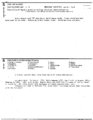
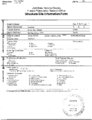
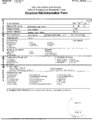
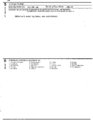
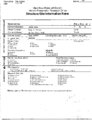
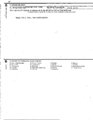
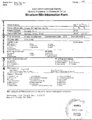
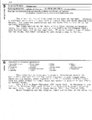
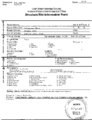
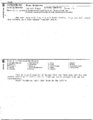
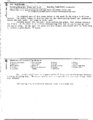
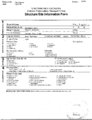
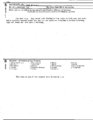
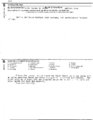
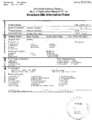
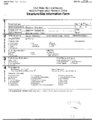
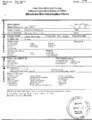
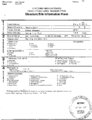
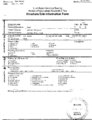
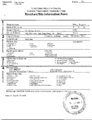
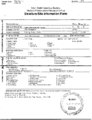
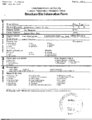
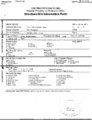
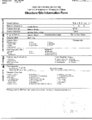
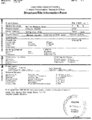
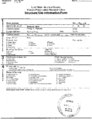
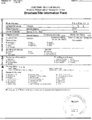
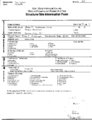
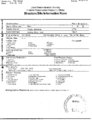
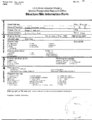
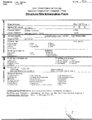
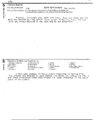
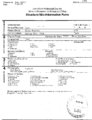
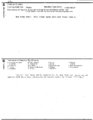
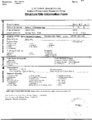
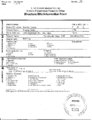
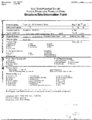
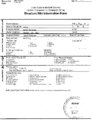
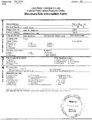
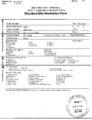
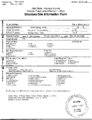
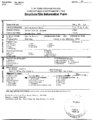
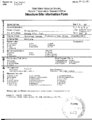
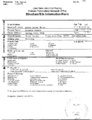
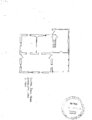
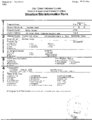
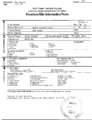
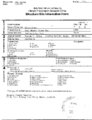
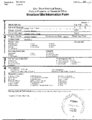
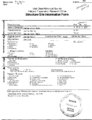
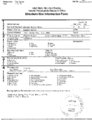
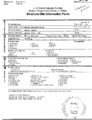
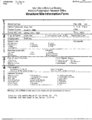
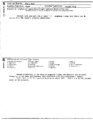
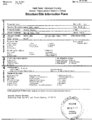
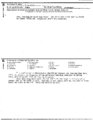
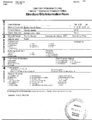
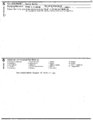
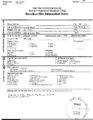
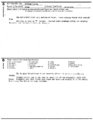
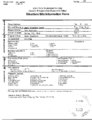
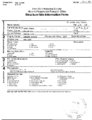
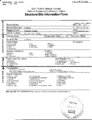
Show ' '•••' 109 '-. -'•'•*£-v'3&&^' • y^wvv:/^ : Architect/Builder: Paul E. Kofford gV Building Materials: adobe, stuccoed Building Type/Style: Vernacular j2 ' •' Description of physical appearance & significant architectural features: jj] t- .1 « o ;;; . < • ______ (Include additions, alterations, ancillary structures, and landscaping if applicable) -. ---.--.=•-' •':••:'. •'.. •'--'. "'' • - .;::^f : w-^"'- : ' - -- -••"•;- - -;- ' ;. -' . ---=\ •-:- : ',.-;,-. •---••' ' -•• •- -. \ -••••- ••- •• --r^. ^/--- - One room adobe house which remained unsheathed through the 1940's. Facade has two copenings, window and door somewhat asymmetrical allignment. Stove flue on the east. A frame shed has been attached to the east gable. New aluminum awnings. Statement of Historical Significance: D Aboriginal Americans DyAgriculture w Architecture D The Arts D Commerce D D D D D Communication Conservation Education Exploration/Settlement Industry D D D D D Military Mining Minority Groups Political Recreation o D D D Religion Science Socio-Humanitarian Transportation Historically significant as the smallest house on the scale of nineteenthcentury vernacular building? Pioneer settlers built homes according to their economic abilities. Some produced mansions, others less spectacular structures. This small house allows us to see the complete range of possibilities open to the Spring City population. Deeded to Paul F. Kofford in 1870. Kofford sells the northern portion of the lot to Spring City Young Mens Co-op. In 1890 he sold it for three-hundred dollars. The remaining section of the lot, with the house, goes to Charles G. Kofford in that same year for fifty dollars. Paul E. Kofford built the small adobe house. Little biographical data is available concerning Kofford's life. Esshom records that he migrated to Utah in 1853 in the John Forsgren Company. |