| OCR Text |
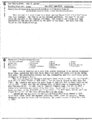
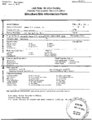
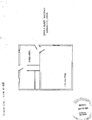
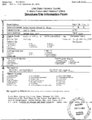
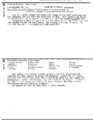
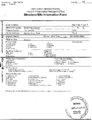
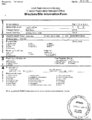
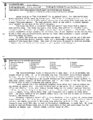
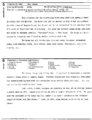
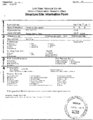
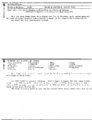
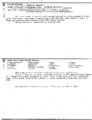
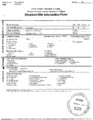
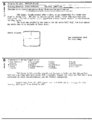
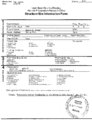
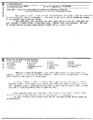
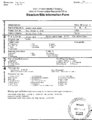
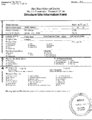
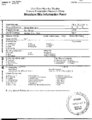
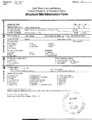
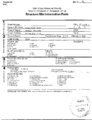
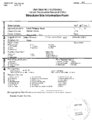
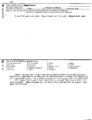
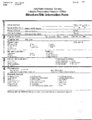
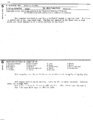
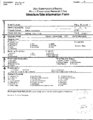
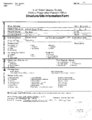
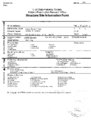
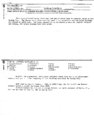
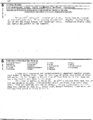
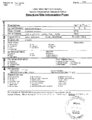
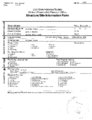
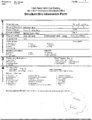
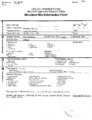
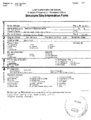
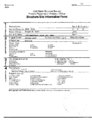
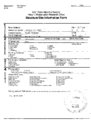
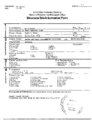
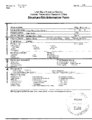
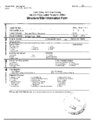
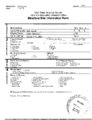
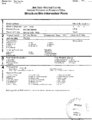
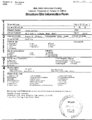
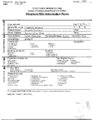
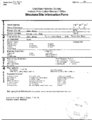
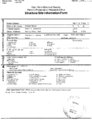
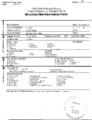
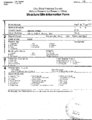
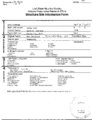
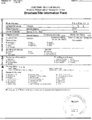
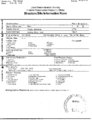
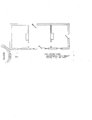
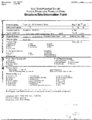
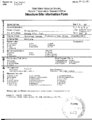
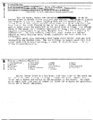
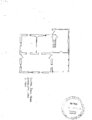
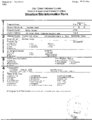
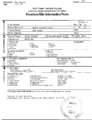
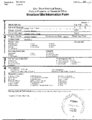
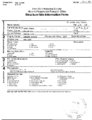
Show 5 £ {•] t» Architect/Builder: George Downard Building'Materials: oolite limestone Building Type/Style: vernacular Description of physical appearance & significant architectural features: . (Include additions, alterations, ancillary structures, and landscaping if applicable) ••.»..-.' < Q ^ O v> E This stone "I" house closely resembles Orson Hyde's Spring City home with its facade piercing arrangement of four upstairs windows over five lower openings. The floor plan is hall and parlor and the stove chimneys are on the gable ends. A new aluminum porch and frame section to the south are new additions.' Statement of Historical Significance: D Aboriginal Americans D Agriculture ^Architecture D The Arts D Commerce Q D D D D Communication Conservation Education Exploration/Settlement Industry D D D D D Military , Mining Minority Groups Political Recreation D D D D Religion Science Socio-Humanitarian Transportation George Downard house is an excellent example of nineteenth century architecture in Spring City. The four over five facade is highly unusual and mirrors the window . treatment found on the Orson Hyde house. Lot 1870 deed to George Downard, sold to Joseph Downard in 1882 for $300. Downard built the house in the 1870's. George George Downard was born in Kent, England, and joined the LDS Church in the late 1850's. The Downard family emigrated to Utah in 1862 and immediately located in Spring City. George was a carpenter and painter. The family moved to Richfield in the late 1860's but were forced to return to Spring City when the threat of Indian attack became too great. George Downard built this large stone house in the early 1870's and sold it to his son, Joseph, in 1882 when he moved his family to Emery County. Joseph Downard was born in England in 1855. Joseph was a farmer and member of the City Council. |