| OCR Text |
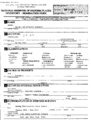
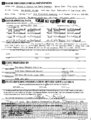
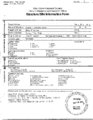
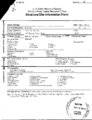
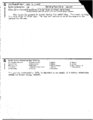
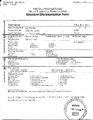
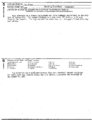
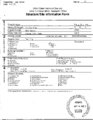
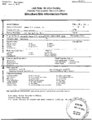
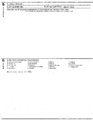
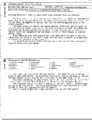
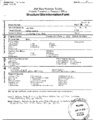
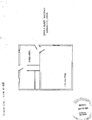
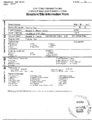
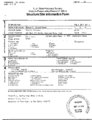
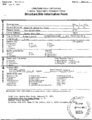
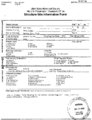
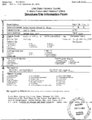
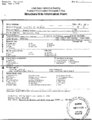
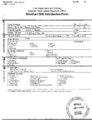
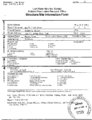
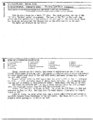
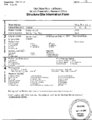
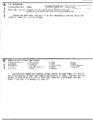
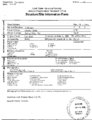
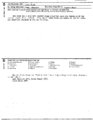
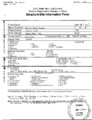
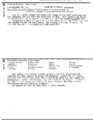
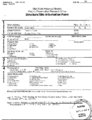
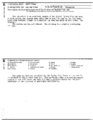
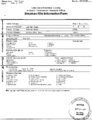
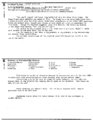
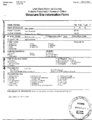
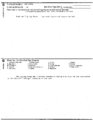
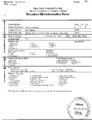
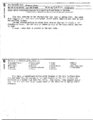
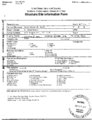
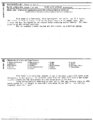
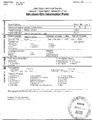
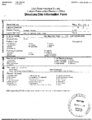
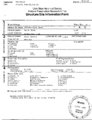
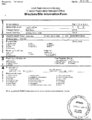
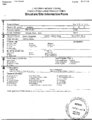
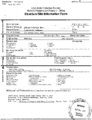
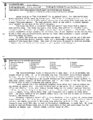
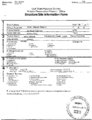
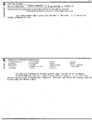
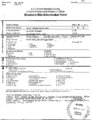
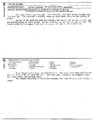
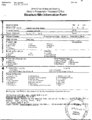
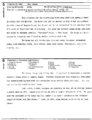
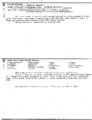
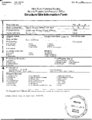
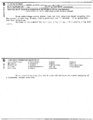
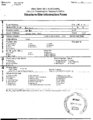
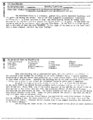
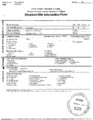
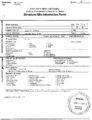
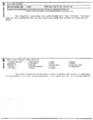
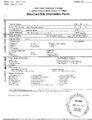
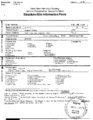
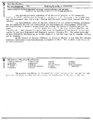
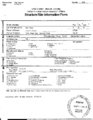
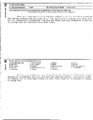
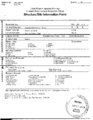
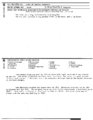
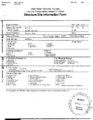
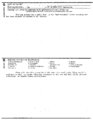
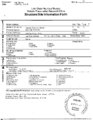
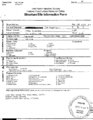
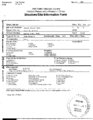
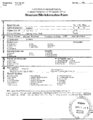
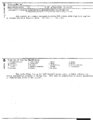
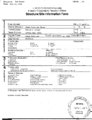
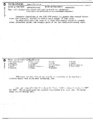
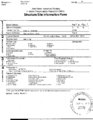
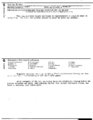
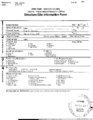
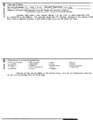
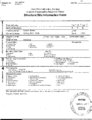
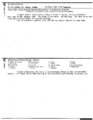
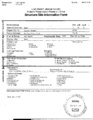
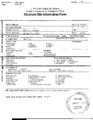
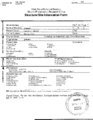
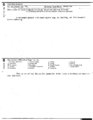
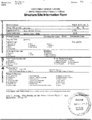
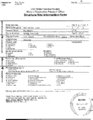
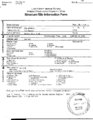
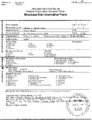
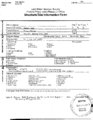
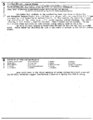
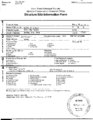
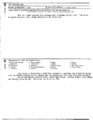
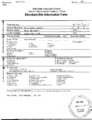
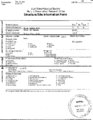
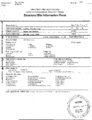
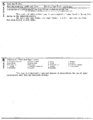
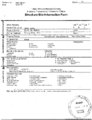
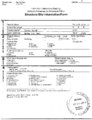
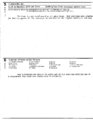
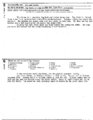
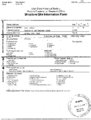
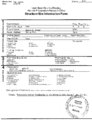
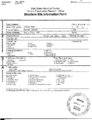
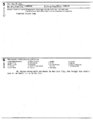
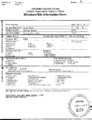
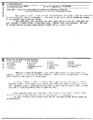
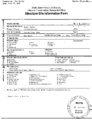
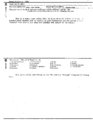
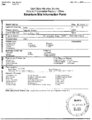
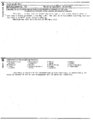
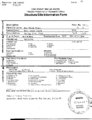
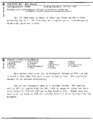
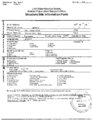
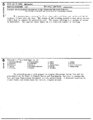
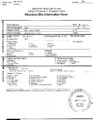
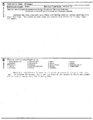
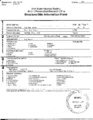
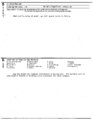
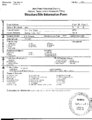
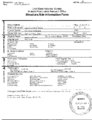
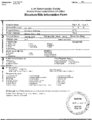
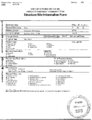
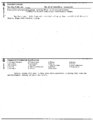
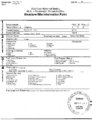
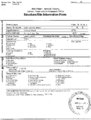
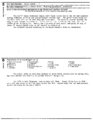
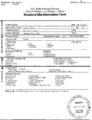
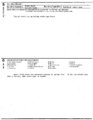
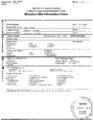
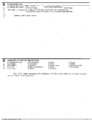
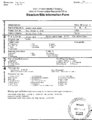
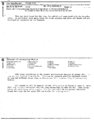
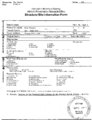
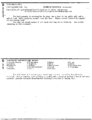
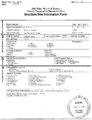
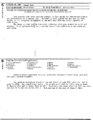
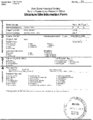
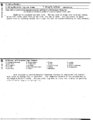
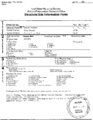
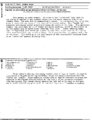
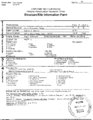
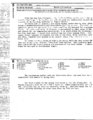
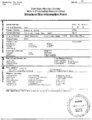
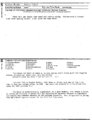
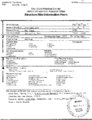
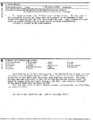
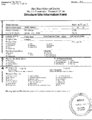
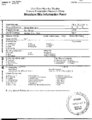
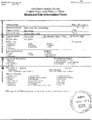
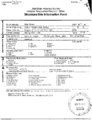
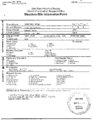
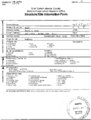
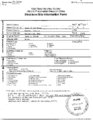
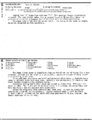
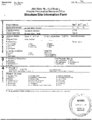
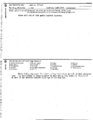
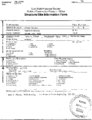
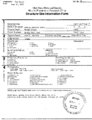
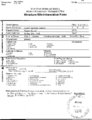
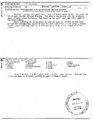
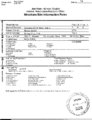
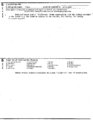
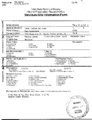
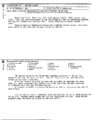
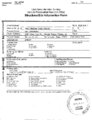
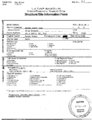
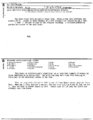
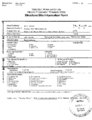
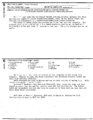
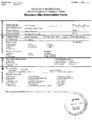
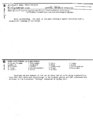
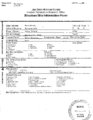
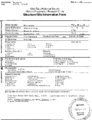
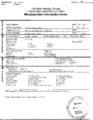
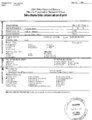
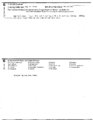
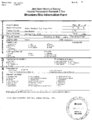
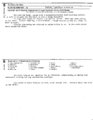
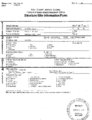
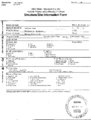
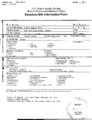
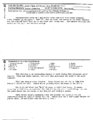
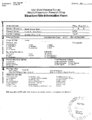
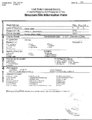
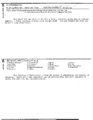
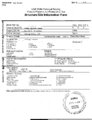
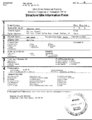
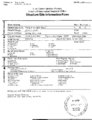
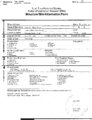
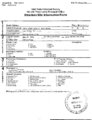
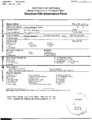
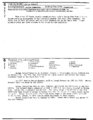
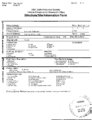
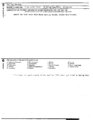
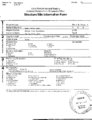
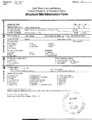
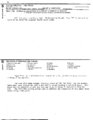
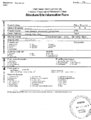
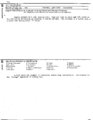
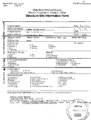
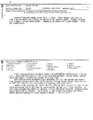
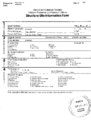
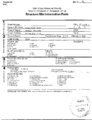
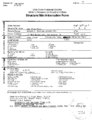
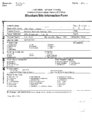
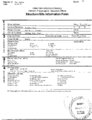
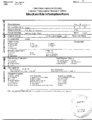
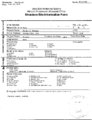
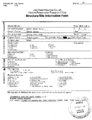
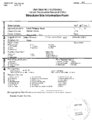
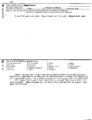
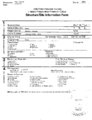
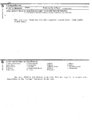
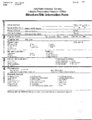
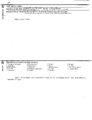
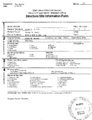
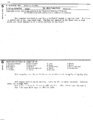
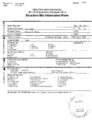
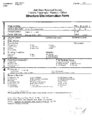
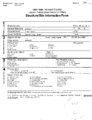
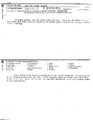
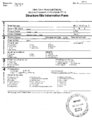
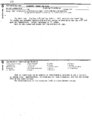
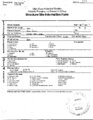
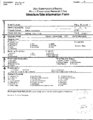
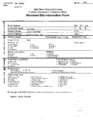
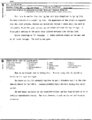
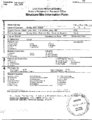
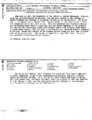
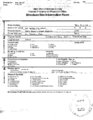
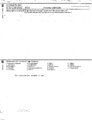
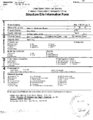
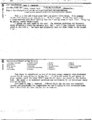
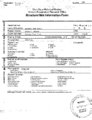
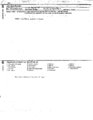
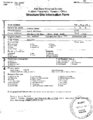
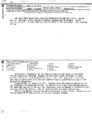
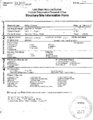
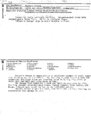
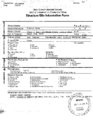
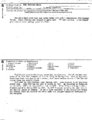
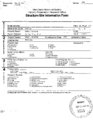
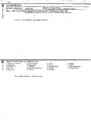
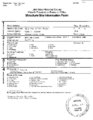
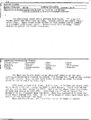
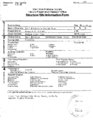
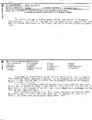
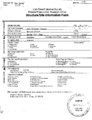
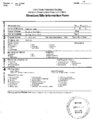
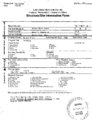
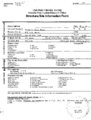
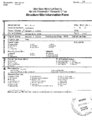
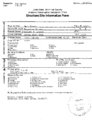
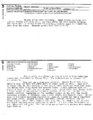
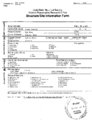
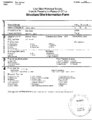
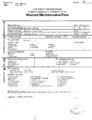
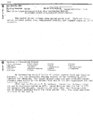
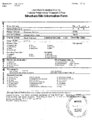
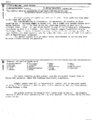
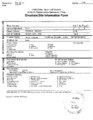
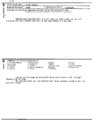
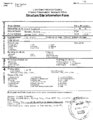
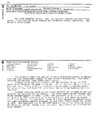
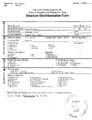
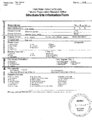
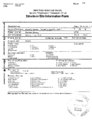
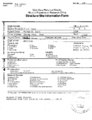
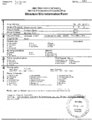
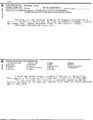
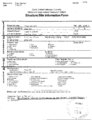
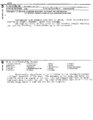
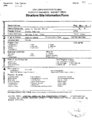
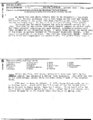
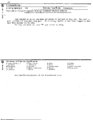
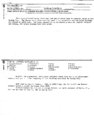
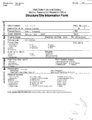
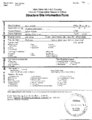
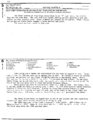
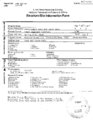
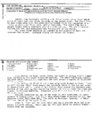
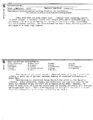
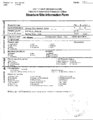
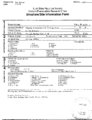
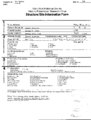
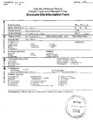
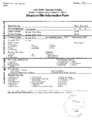
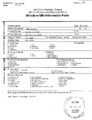
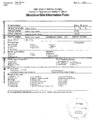
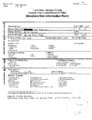
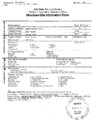
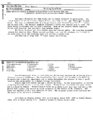
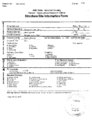
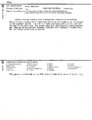
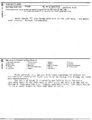
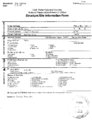
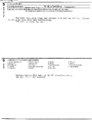
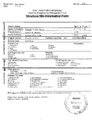
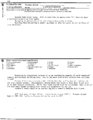
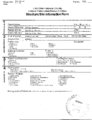
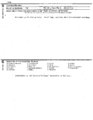
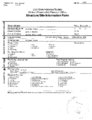
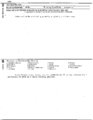
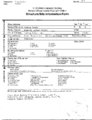
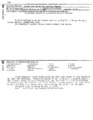
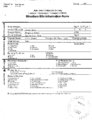
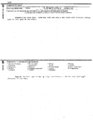
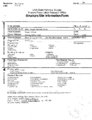
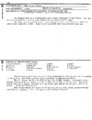
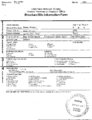
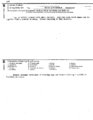
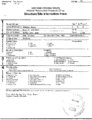
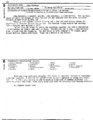
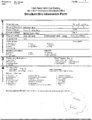
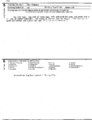
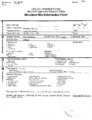
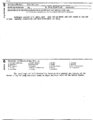
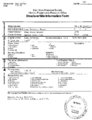
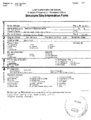
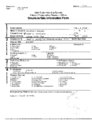
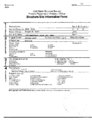
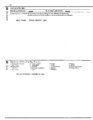
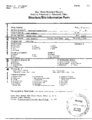
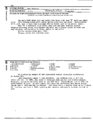
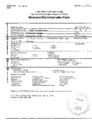
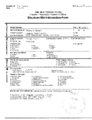
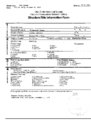
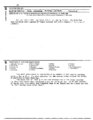
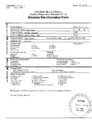
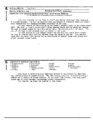
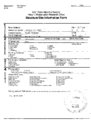
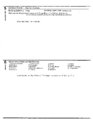
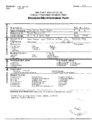
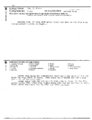
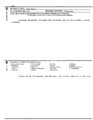
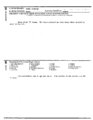
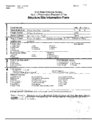
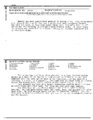
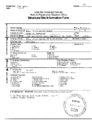
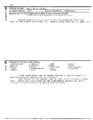
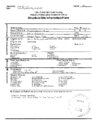
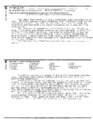
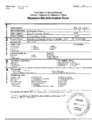
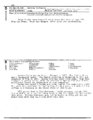
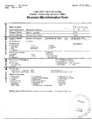
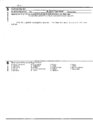
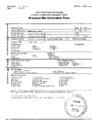
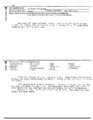
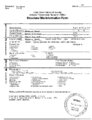
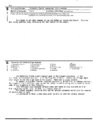
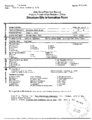
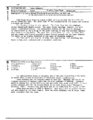
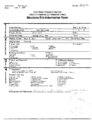
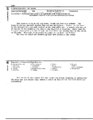
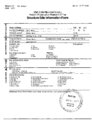
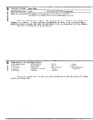
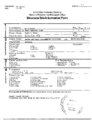
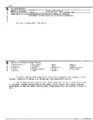
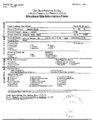
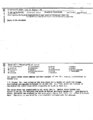
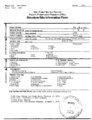
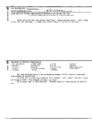
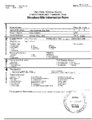
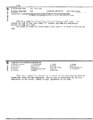
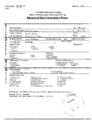
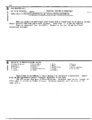
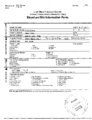
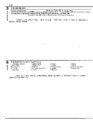
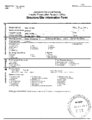
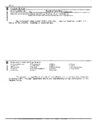
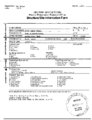
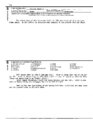
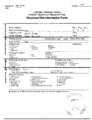
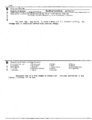
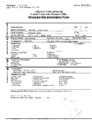
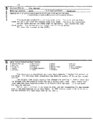
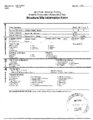
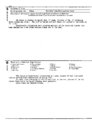
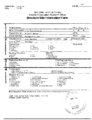
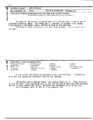
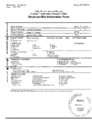
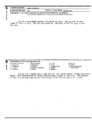
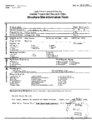
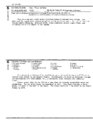
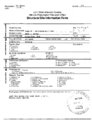
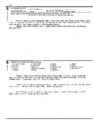
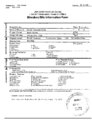
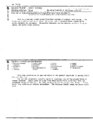
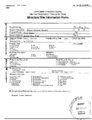
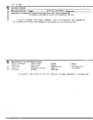
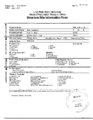
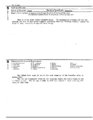
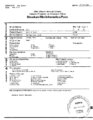
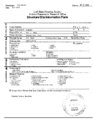
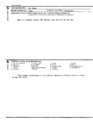
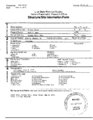
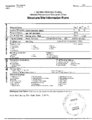
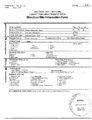
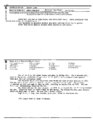
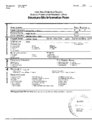
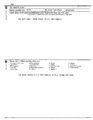
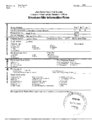
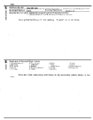
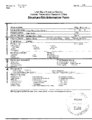
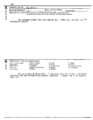
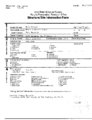
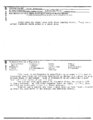
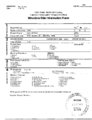
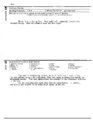
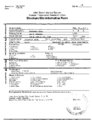
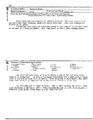
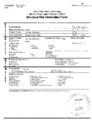
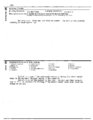
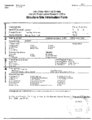
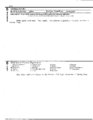
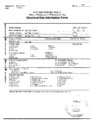
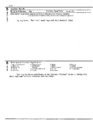
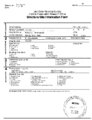
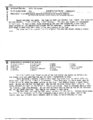
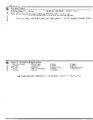
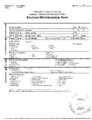
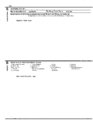
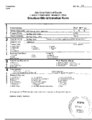
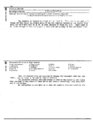
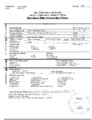
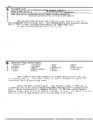
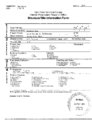
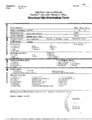
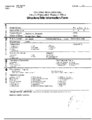
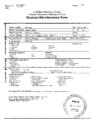
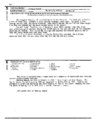
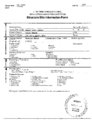
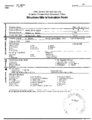
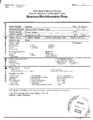
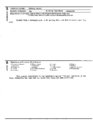
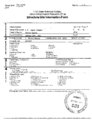
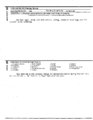
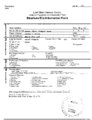
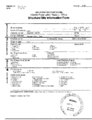
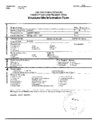
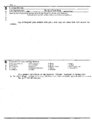
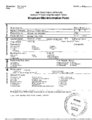
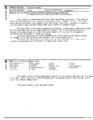
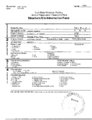
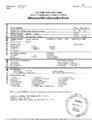
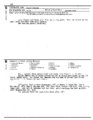
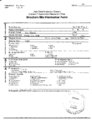
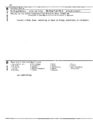
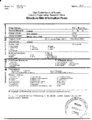
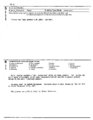
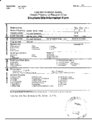
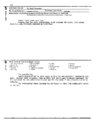
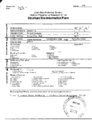
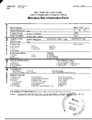
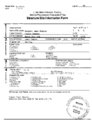
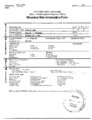
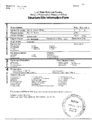
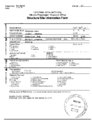
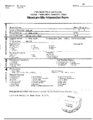
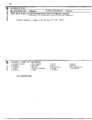
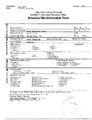
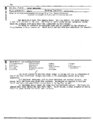
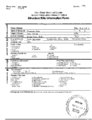
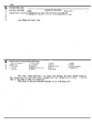
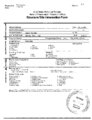
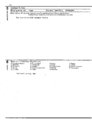
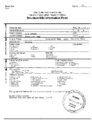
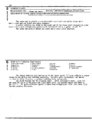
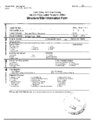
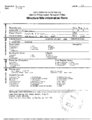
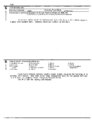
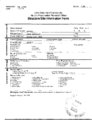
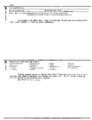
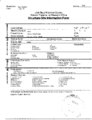
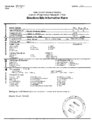
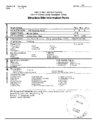
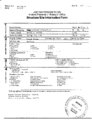
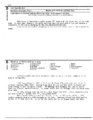
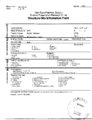
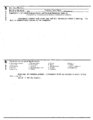
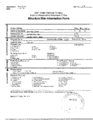
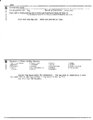
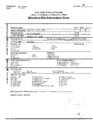
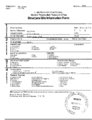
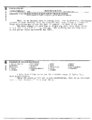
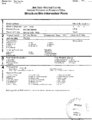
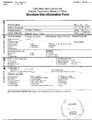
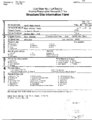
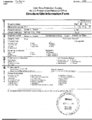
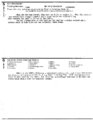
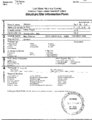
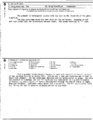
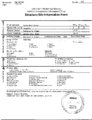
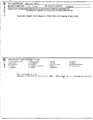
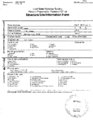
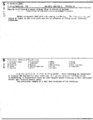
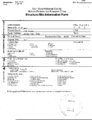
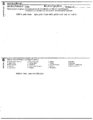
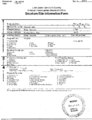
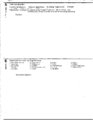
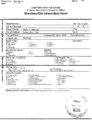
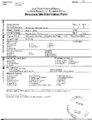
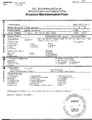
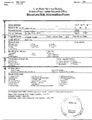
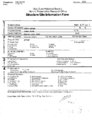
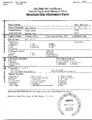
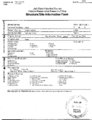
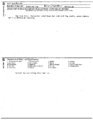
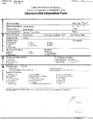
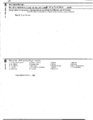
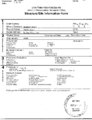
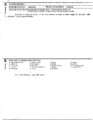
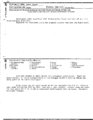
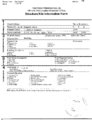
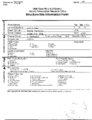
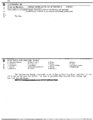
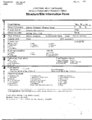
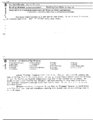
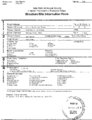
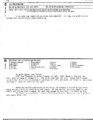
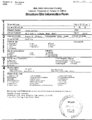
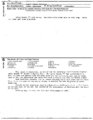
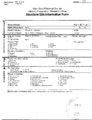
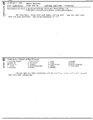
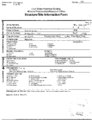
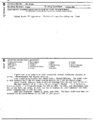
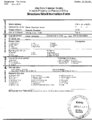
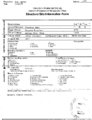
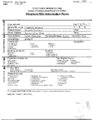
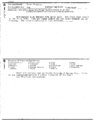
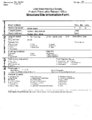
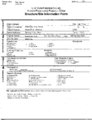
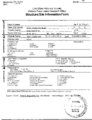
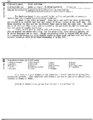
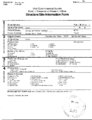
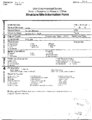
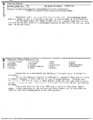
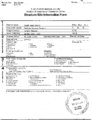
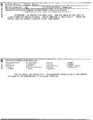
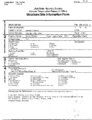
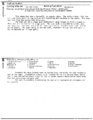
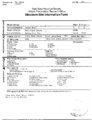
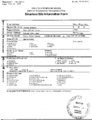
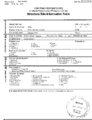
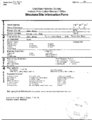
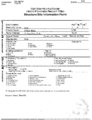
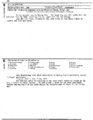
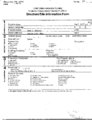
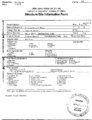
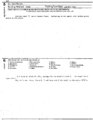
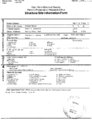
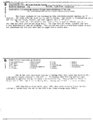
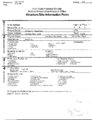
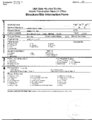
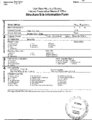
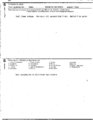
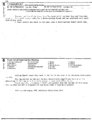
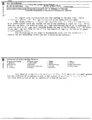
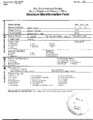
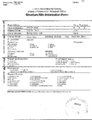
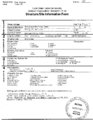
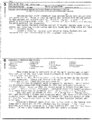
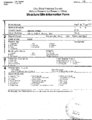
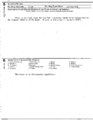
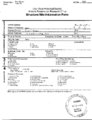
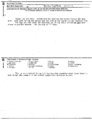
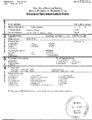
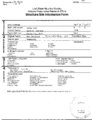
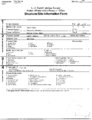
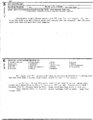
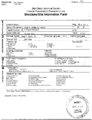
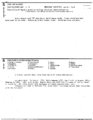
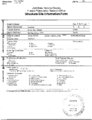
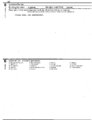
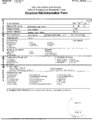
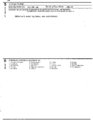
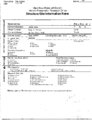
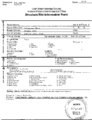
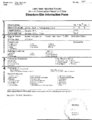
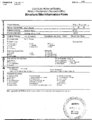
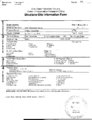
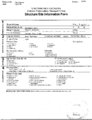
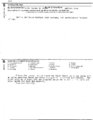
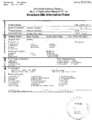
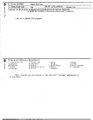
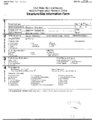
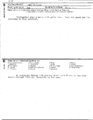
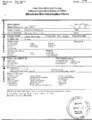
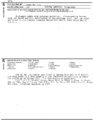
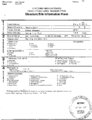
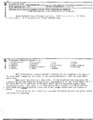
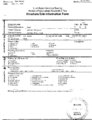
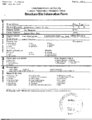
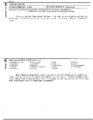
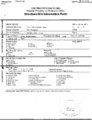
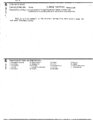
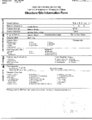
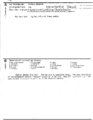
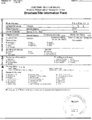
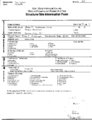
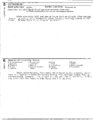
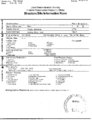
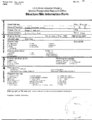
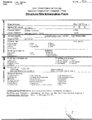
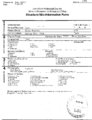
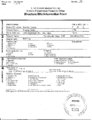
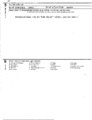
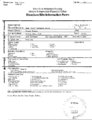
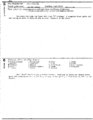
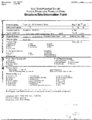
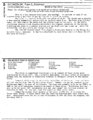
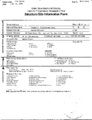
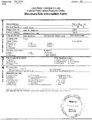
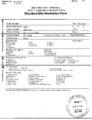
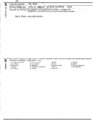
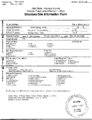
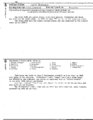
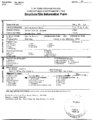
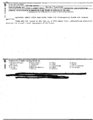
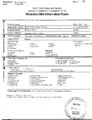
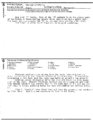
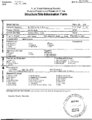
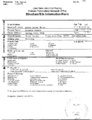
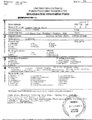
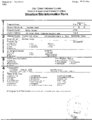
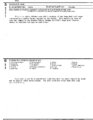
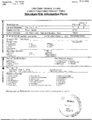
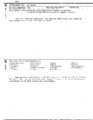
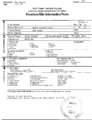
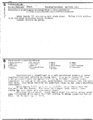
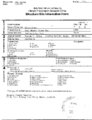
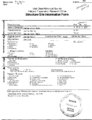
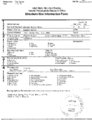
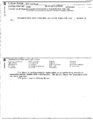
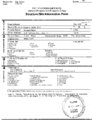
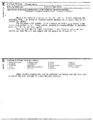
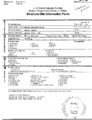
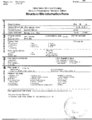
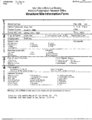
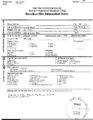
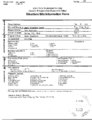
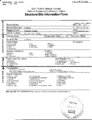
Show 136_________ Architect/Builder: oc {•J »- Building Materials: brick Building Type/Style: commercial Description of physical appearance & significant architectural features: ---------------------------------------------------------------•------- • (include additions, alterations, ancillary structures, and landscaping if applicable) r* o < ' Brick stone with two story square front. Corbelled brick bracketing supports the plain cornice. A centrally located brick stepped gable adds a decorative touch to the facade. The metal (tin?) banding for the sign successfully .divides the building into two horizontal sections. The front entrance has double doors, flanked by pillasters and topped by an eight light transom. Statement of Historical Significance: D D D D D Aboriginal Americans Agriculture Architecture The Arts Commerce D D D D D Communication Conservation Education Exploration/Settlement Industry D D D D D Military Mining Minority Groups Political Recreation D D D D Religion Science Socio-Humanitarian Transportation This section of main street served a commercial center of Spring City and this building is easily one of the best remaining examples of commercial architecture in Spring City. This building was constructed during the 1915-1920 period by John Baxter as a theater. School productions, dramas, and convocations were held here until the old school was remodeled during the 1940 T s and an auditorium was added. Recently, the Church of Jesus Christ of Latter-day Saints owned the building and used it as a "cultural and recreational" center. When the Meeting House was enlarged in the 1970 f s' to accomm odate all necessary church activities, the building was vacated. |