| OCR Text |
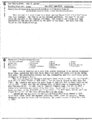
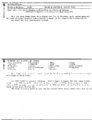
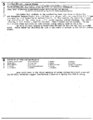
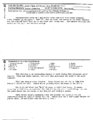
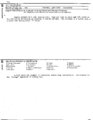
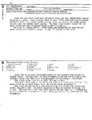
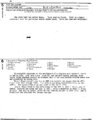
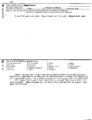
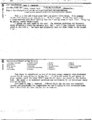
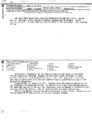
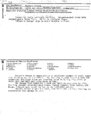
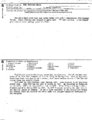
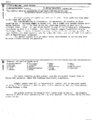
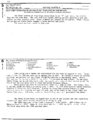
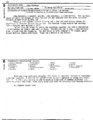
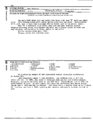
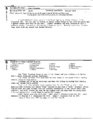
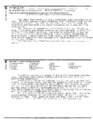
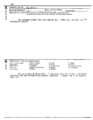
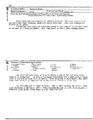
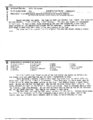
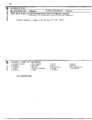
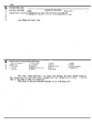
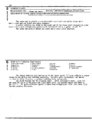
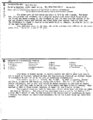
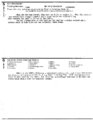
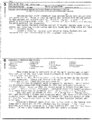
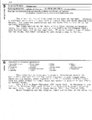
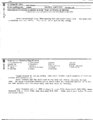
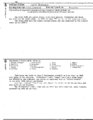
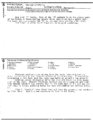
Show FHR-8-3QOA 011/78) UNITED STATES DEPARTMENT OF THE INTERIOR HERITAGE CONSERVATION AND RECREATION SERVICE NATIONAL REGISTER OF HISTORIC PLACES INVENTORY - NOMINATION FORM CONTI NU ATION SHEET / <* ITEM NUMBER 8 PAGE a settlement where he could locate with his numerous posterity and kindred and preside over them." 2 On March 22, 1852, James Allred examined the country lying along what is today Canal Creek (located in the southwest part of town). Four days later he returned with several of his sons and, together with a number of men from Fort Ephraim, began settling the town of Spring City. The first house, a log home, was situated on Block 4 of the present town. During the summer of 1852, two adobe houses were constructed one located on Block 4 near the original log house and the other near the spring on Block 20. Also that summer, one of James Allred's sons, James T. S. Allred, completed the first survey of the area. A tract of about one hundred acres was divided into five acre blocks. Some crops were planted and about twelve families spent the winter of 1852 in what was then called the "Allred Settlement." In July of 1853 open warfare broke out between the Mormon settlers and the native population. 3 Pleasant Creek (now Mt. Pleasant) was raided in mid-July an^residents fled to the Allred settlement for safety. People from bothJbown^lo^te^ a fort-like structure by dragging their log cabins together iillingiirffie gaps between houses with rock walls. This first "fort" was completed on July 28 and stood on Block 20. Indian attacks, resulting in considerable loss of livestock and horses, drove the defenders from the Allred settlement back to Manti on July 31. An attempt at resettlement was made during the fall of 1853, but again, threat of Indian attack caused a second abandonment of the community. Many of these settlers who vacated Spring City and went to Manti were among the founders of Ephraim in 1854. 4 At the request of President Brigham Young, William Black, J. T. Ellis, and the Allred family reestablished the settlement in the summer of 1859. Albert Petty, the county surveyor, accompanied this group and laid off a townsite and 640 acres of farmland surrounding it. Farm land was surveyed into five and ten acre lots and distributed among the settlers. A log meetinghouse was erected on the southwest corner of Block 29, This structure housed a variety of activities until an adobe meetinghouse was built in 1863-1864. The community also attracted a large number of Danish immigrant converts. The number of Danes in the town was large enough to warrant the naming of the community "Little Denmark." These Scandinavian converts transplanted many architectural forms and techniques into the area, and tradesmen blacksmiths, bakers, wheelrights, shoemakers, carpenters, and masons made valuable contributions to the life of the community. By 1860, the population of Spring City (then called Spring Town) was 243 people. Indian trouble continued through 1869, when treaties were signed ending hostilities. The towns people, with life more secure, turned full attention to agriculture, stock raising, |