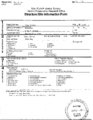
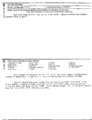
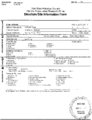
| OCR Text |
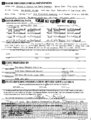
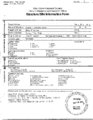
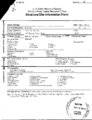
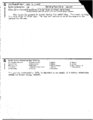
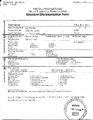
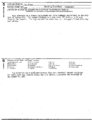
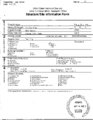
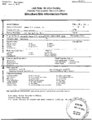
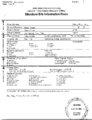
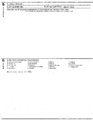
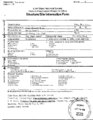
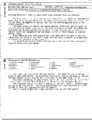
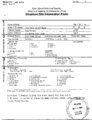
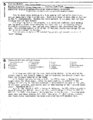
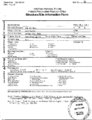
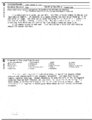
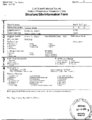
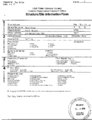
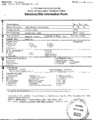
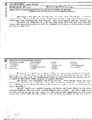
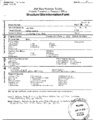
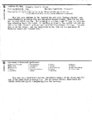
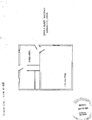
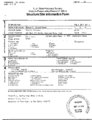
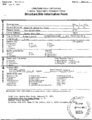
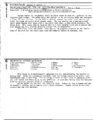
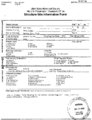
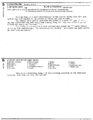
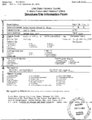
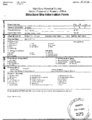
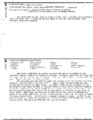
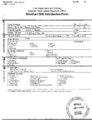
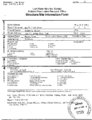
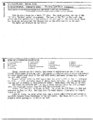
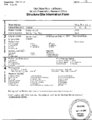
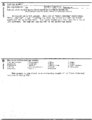
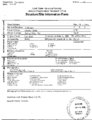
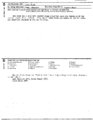
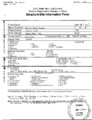
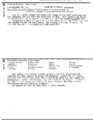
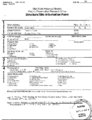
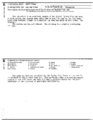
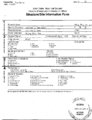
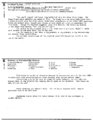
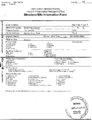
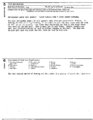
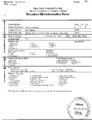
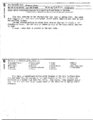
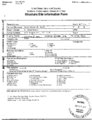
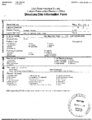
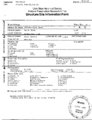
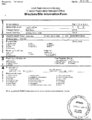
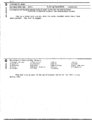
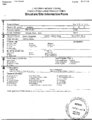
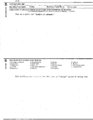
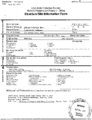
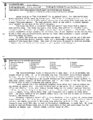
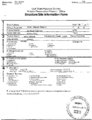
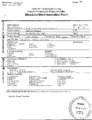
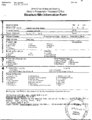
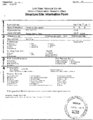
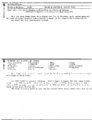
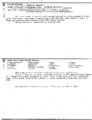
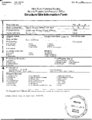
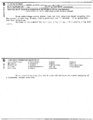
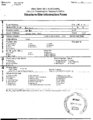
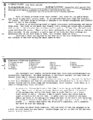
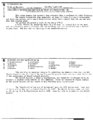
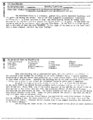
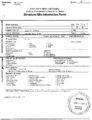
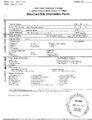
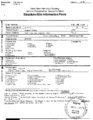
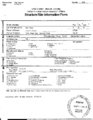
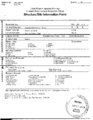
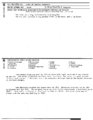
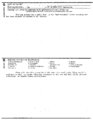
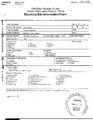
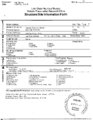
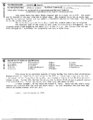
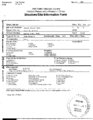
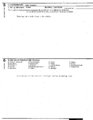
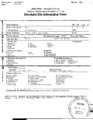
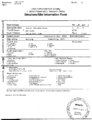
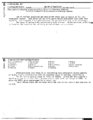
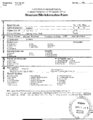
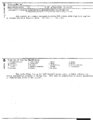
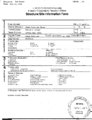
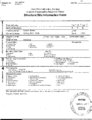
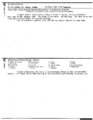
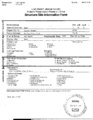
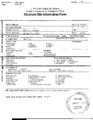
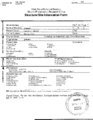
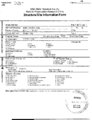
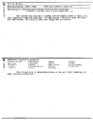
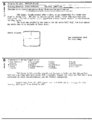
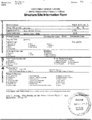
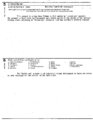
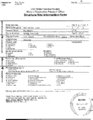
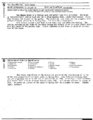
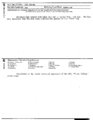
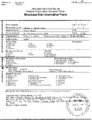
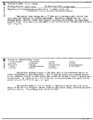
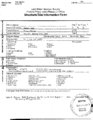
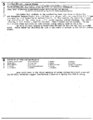
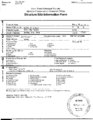
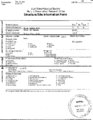
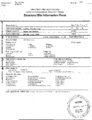
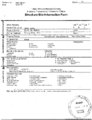
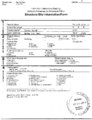
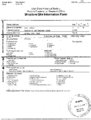
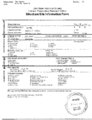
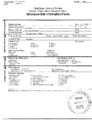
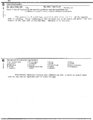
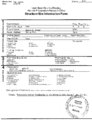
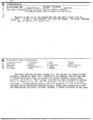
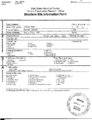
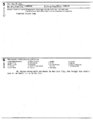
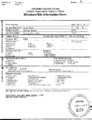
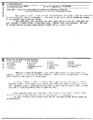
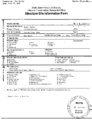
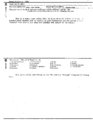
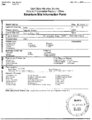
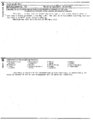
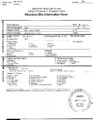
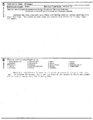
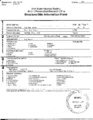
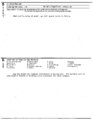
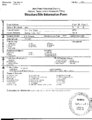
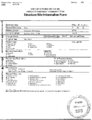
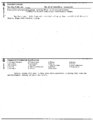
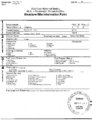
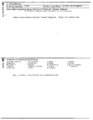
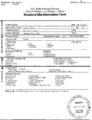
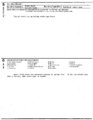
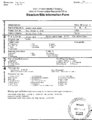
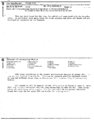
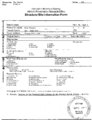
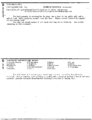
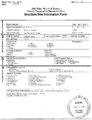
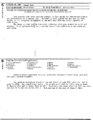
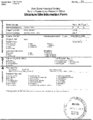
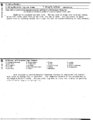
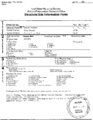
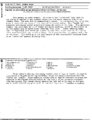
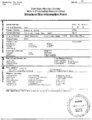
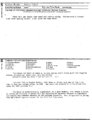
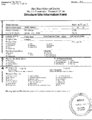
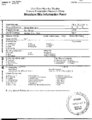
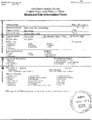
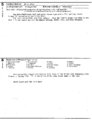
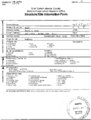
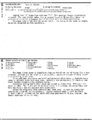
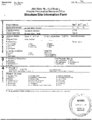
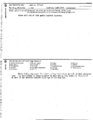
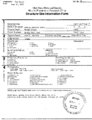
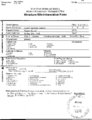
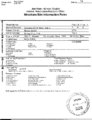
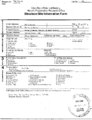
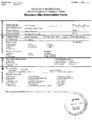
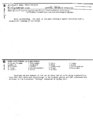
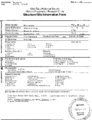
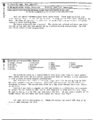
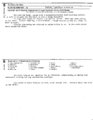
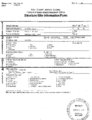
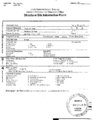
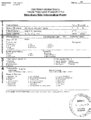
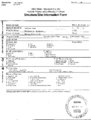
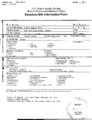
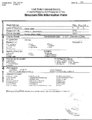
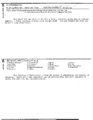
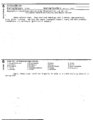
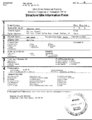
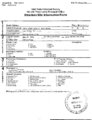
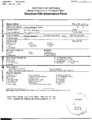
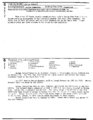
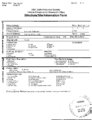
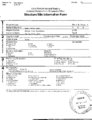
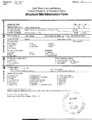
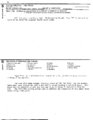
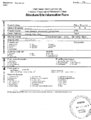
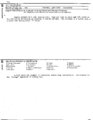
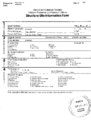
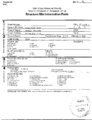
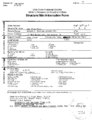
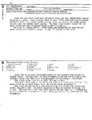
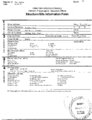
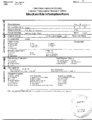
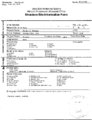
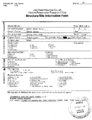
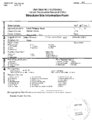
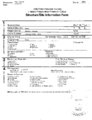
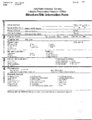
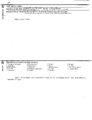
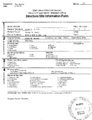
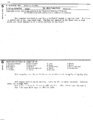
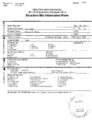
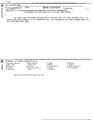
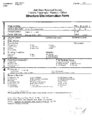
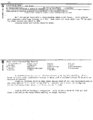
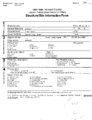
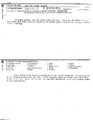
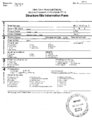
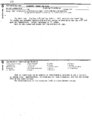
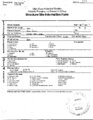
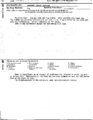
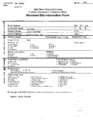
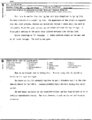
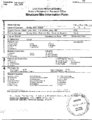
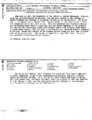
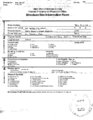
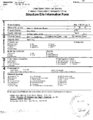
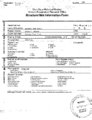
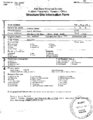
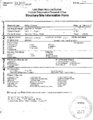
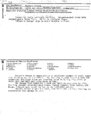
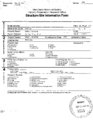
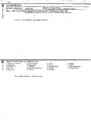
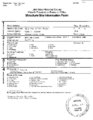
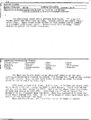
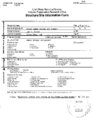
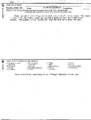
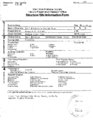
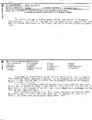
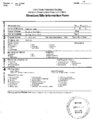
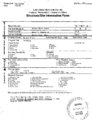
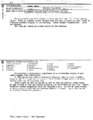
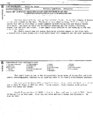
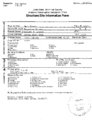
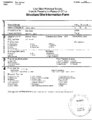
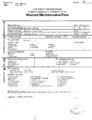
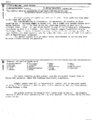
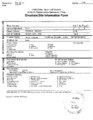
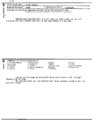
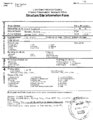
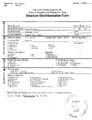
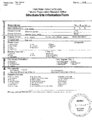
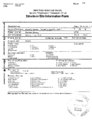
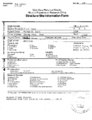
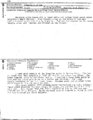
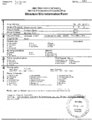
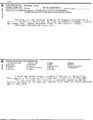
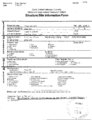
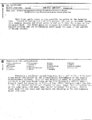
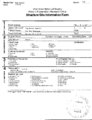
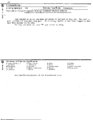
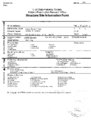
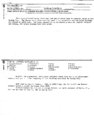
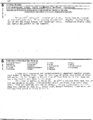
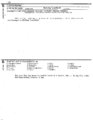
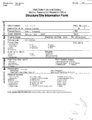
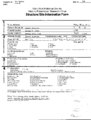
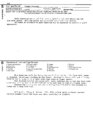
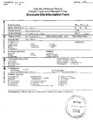
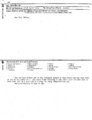
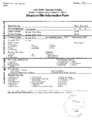
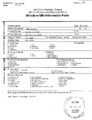
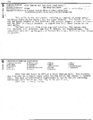
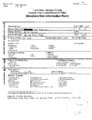
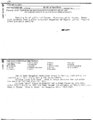
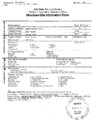
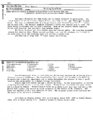
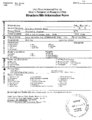
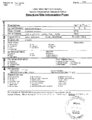
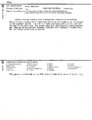
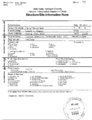
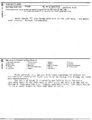
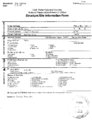
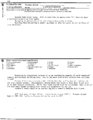
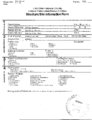
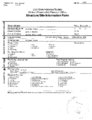
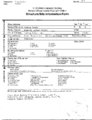
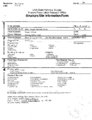
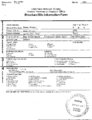
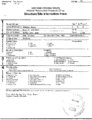
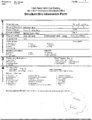
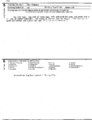
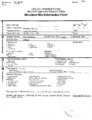
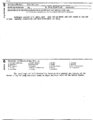
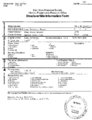
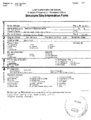
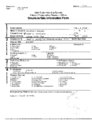
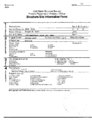
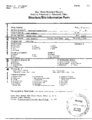
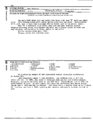
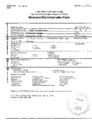
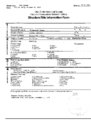
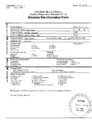
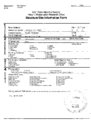
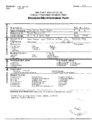
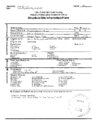
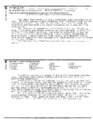
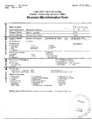
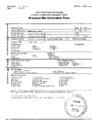
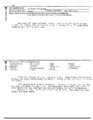
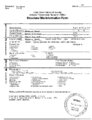
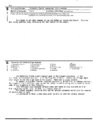
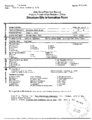
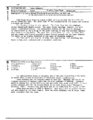
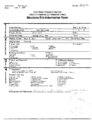
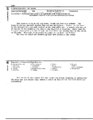
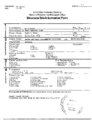
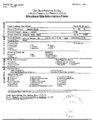
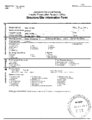
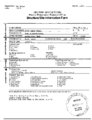
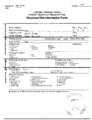
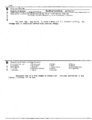
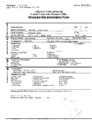
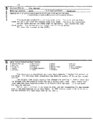
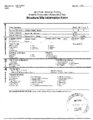
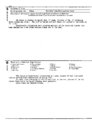
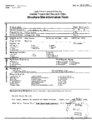
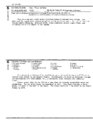
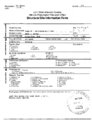
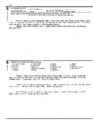
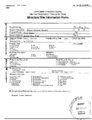
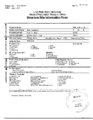
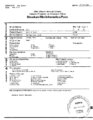
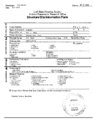
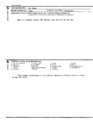
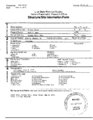
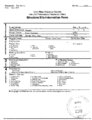
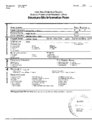
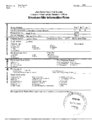
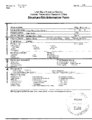
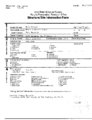
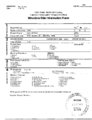
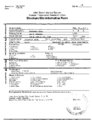
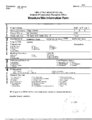
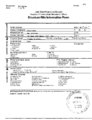
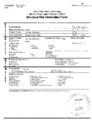
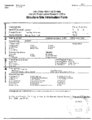
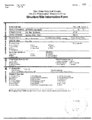
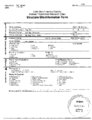
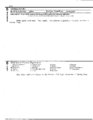
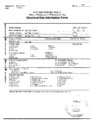
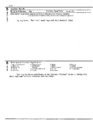
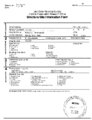
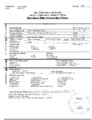
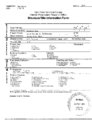
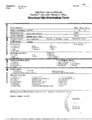
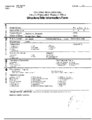
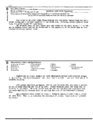
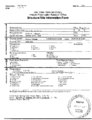
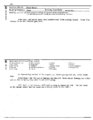
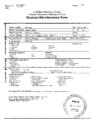
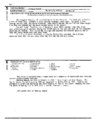
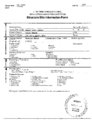
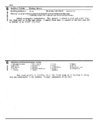
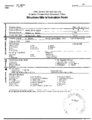
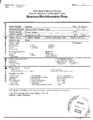
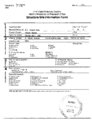
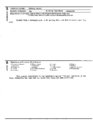
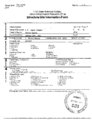
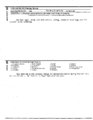
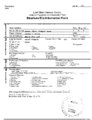
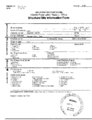
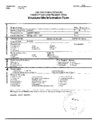
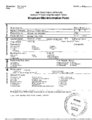
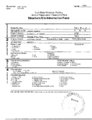
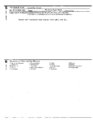
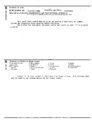
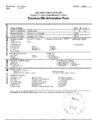
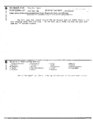
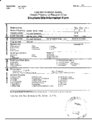
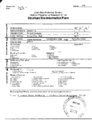
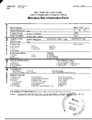
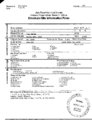
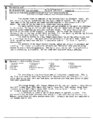
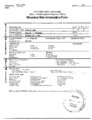
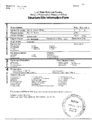
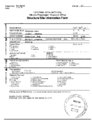
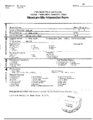
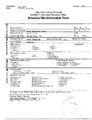
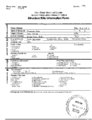
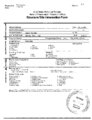
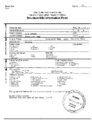
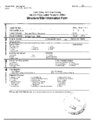
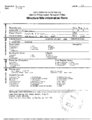
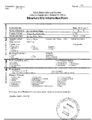
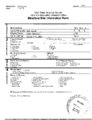
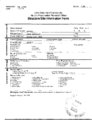
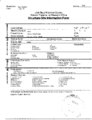
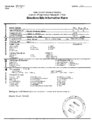
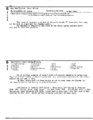
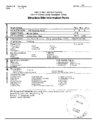
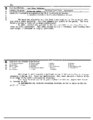
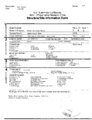
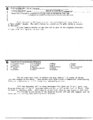
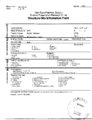
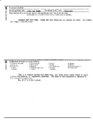
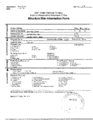
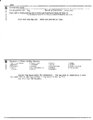
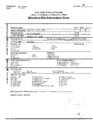
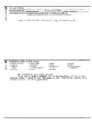
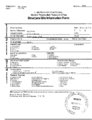
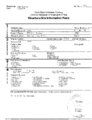
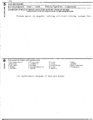
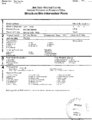
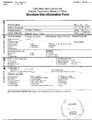
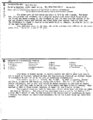
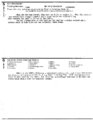
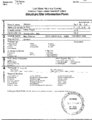
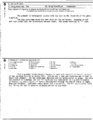
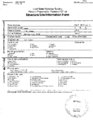
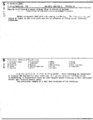
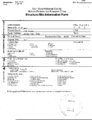
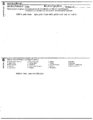
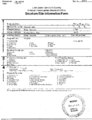
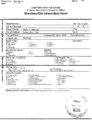
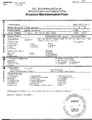
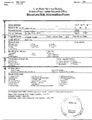
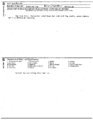
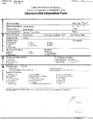
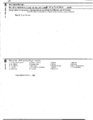
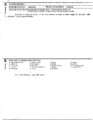
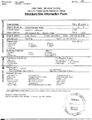
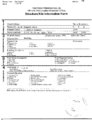
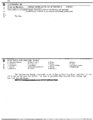
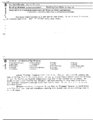
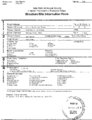
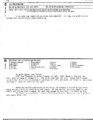
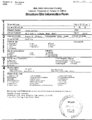
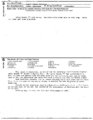
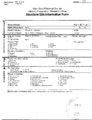
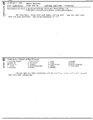
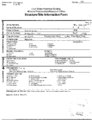
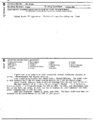
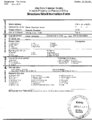
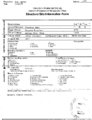
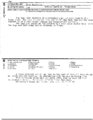
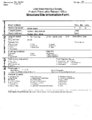
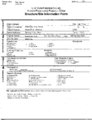
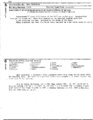
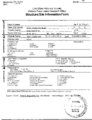
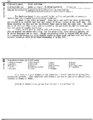
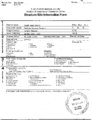
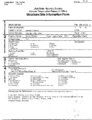
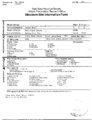
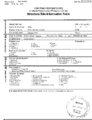
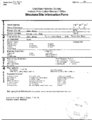
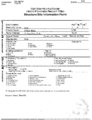
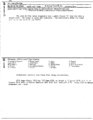
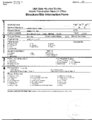
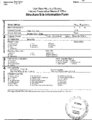
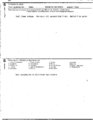
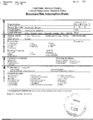
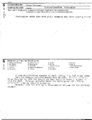
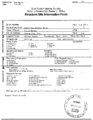
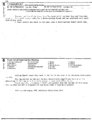
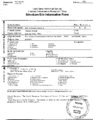
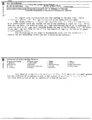
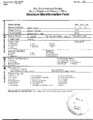
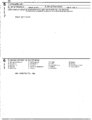
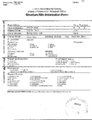
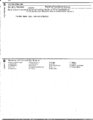
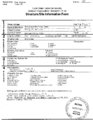
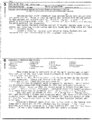
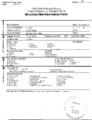
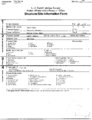
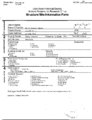
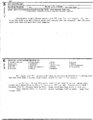
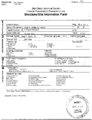
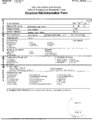
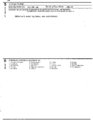
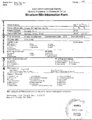
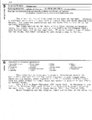
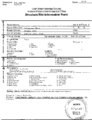
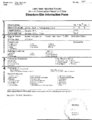
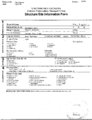
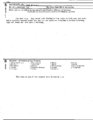
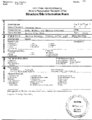
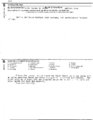
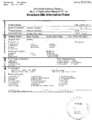
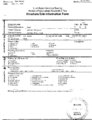
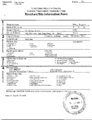
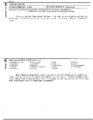
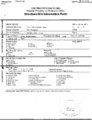
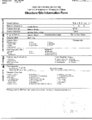
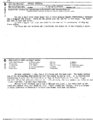
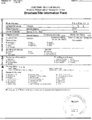
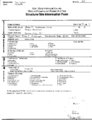
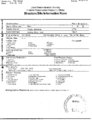
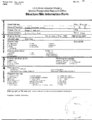
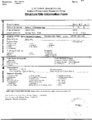
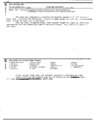
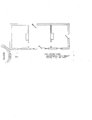
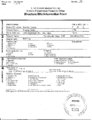
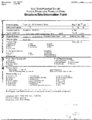
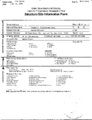
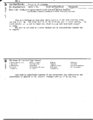
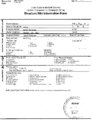
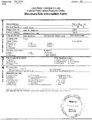
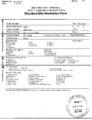
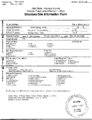
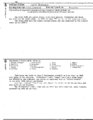
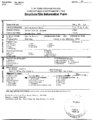
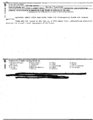
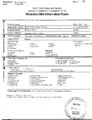
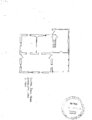
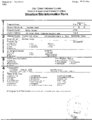
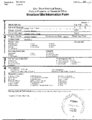
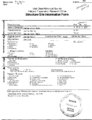
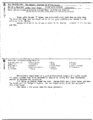
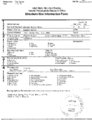
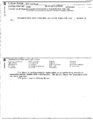
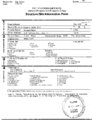
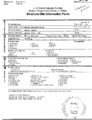
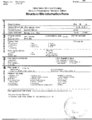
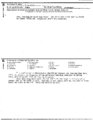
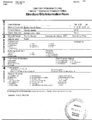
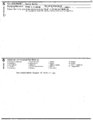
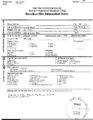
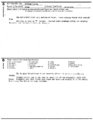
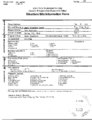
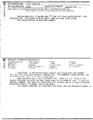
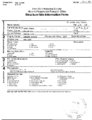
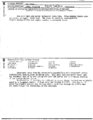
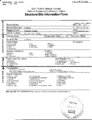
Show 5 Architect/Builder: Jens Peter carlson Building Materials: stone ____ Building Type/Style: vernacular with; pattern book Description of physical appearance & significant architectural features: influence. (include additions, alterations, ancillary structures, and landscaping if applicable) X O < Built of finely polished stone (hand rubbed) , this house has the gable-facade plan found in many early pattern books. It is one-and-a-half story high and basically "L"-shaped. The front gable is beveled to simulate a bay window arrangement and shingled above the line of the ceiling. The house is an interesting blend of superb traditional craftsmanship and popular house plan. The rocks on the house were dressed with a chisel and rubbed with a special tool to smooth them and give them an almost marble quality. Filings from the rocks were mixed with lime for mortar. There is only about one-eighth of an inch of mortar between stone courses. It was necessary to splice some of the rocks but these joinings are detectable only if you know where to look. All internal walls are stone. : There was a stone and log barn to the rear but it has been dismantled following the collapse of the roof during the heavy snows of 1949. Statement of Historical Significance: D D D a O Aboriginal Americans Agriculture Architecture The Arts Commerce • D D D D D Communication Conservation Education Exploration/Settlement Industry D D D D D Military Mining Minority Groups Political Recreation D D D D Religion Science Socio-Humanitarian Transportation ; The incredibly well Grafted stonework makes this house both architecturally and historically significant. No other residence in the valley exhibits the high level of masonry which Jens P. Carlson lavished on this house. Local tradition suggests that the house was something of a showcase for Carlson's talents as a stonemason and that its construction was precipitated by a certain rivalry between Carlson and the local judge and entrepreneur, Jacob Johnson. Cindy Rice, in a study of Spring City, tells the story: : It seems that Johnson had hired a Salt Lake firm to design and build his new home. Once construction was underway, Carlson was appalled at the quality of the workmanship, and he told Jacob that he would show him how a stone house should be built. Carlson, a man of meager means, had little time to spend in construction his own home. In early years he labored on the Manti Temple and later on the Spring City chapel 'and many of the town's rock buildings. For a time he worked in Salt Lake during the summer and on his home in the winter months. . . . Carlson died before the structure's completion, and a carpenter was ;hired to roof the building. The house was never fully completed, only one story of what was intended to be a full two story house was ever built. Carlson bought the lot in 1880 for $50 and work started shortly thereafter. |