| OCR Text |
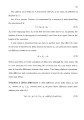
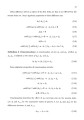
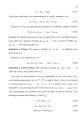
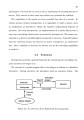
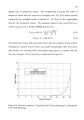
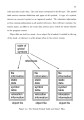
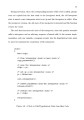
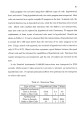
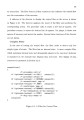
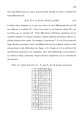
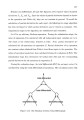
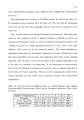
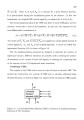
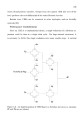
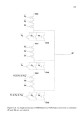
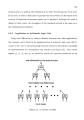
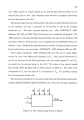
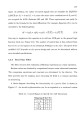
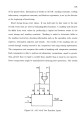
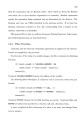
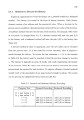
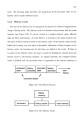
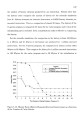
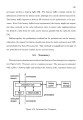
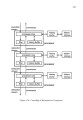
Show ALU. This number of control signals to the general logic function block can be reduced from four to two. This reduction saves two bits in machine instructions and two data lines in the ALU. The general logic function block performs all sixteen possible Boolean functions of two variables, but only a restricted set of functions is used in the machine instruction set. The most common functions are: ADD, SUBTRACT, AND, Exclusive-OR, OR, and NOT. These functions are not completely independent. The ADD operation of the general logic function block is the same as the Exclusive-OR operation, while the NOT operation can be implemented as SUBTRACT from zero without a carry. Taking these dependencies into account, the general logic function block performs four core operations: SUBTRACT, AND, Exclusive-OR, and OR. Three logical operations, AND, Exclusive-OR, and OR, can be easily implemented by their total differential (Equation (5.1)). Since partial derivatives Fx and Fy are the same for all three operations, only two control signals, Fx and Fxy, are needed as the external input to the ALU. The values of two control signals that specify AND, Exclusive-OR, or OR are shown in Table 5.1. The value of Fq corresponds to Fx and the value of F\ corresponds to Fxy. The problem remains how to incorporate subtraction. The operation, performed by the general logic function block during subtraction, is logical EQUIVALENCE. EQUIVALENCE is true when both its input signals are 126 Figure 5.5. The General Logic Function Block |