| OCR Text |
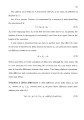
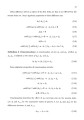
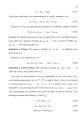
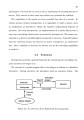
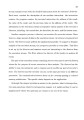
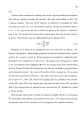
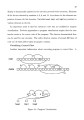
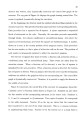
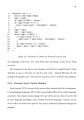
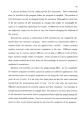
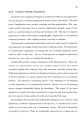
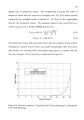
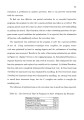
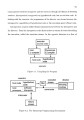
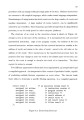
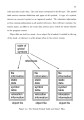
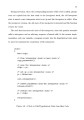
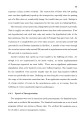
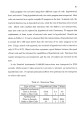
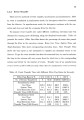
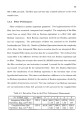
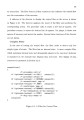
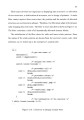
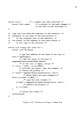
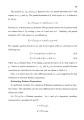
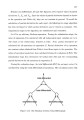
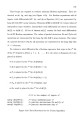
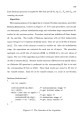
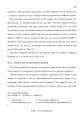
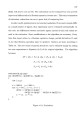
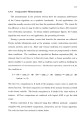
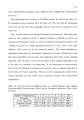
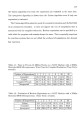
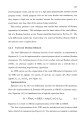
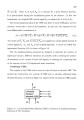
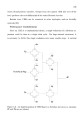
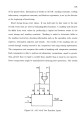
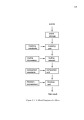
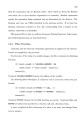
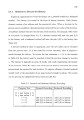
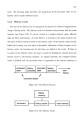
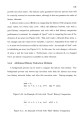
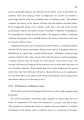
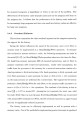
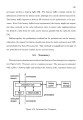
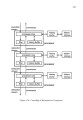
Show The total differentials of x and y, denoted by dG and dH, are used to evaluate the total differential dF: d.F(G, H) = Fx dG © Fy dH © Fxy dG dH. (4.4) It follows from Equation (4.4) that the values of total differentials dG and dH are sufficient to evaluate dF. There is no need to use function values G(xi,yi) and H(x2, 2/2) to calculate dF. Total differentials of Boolean operations can be combined together to evaluate arbitrary complex Boolean expressions without explicitly using function values. For example, if operations F, G, and H are parts of a larger Boolean expression, their total differentials can be evaluated, based on their suboperation's total differentials (see Figure 4.15). Equation (4.4) is performed for each Boolean operation in the expression. Since total differentials can be nested to an arbitrary depth, arbitrarily complex Boolean expressions can be evaluated by this method. Table 4.4. Partial derivatives Fx, Fy, and Fxy for all Boolean Operations F Fx Fr y FXy 0 0 0 0 xy y X 1 xy y X 1 X 1 0 0 xy y X 1 y 0 1 0 x © y 1 1 0 x + y y X 1 x y y X 1 x = y 1 1 0 y 0 1 0 x + y y X 1 X 1 0 0 x + y V X 1 x + y y X 1 1 0 0 0 |