| OCR Text |
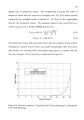
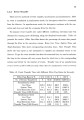
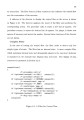
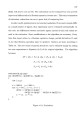
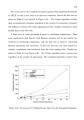
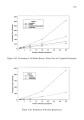
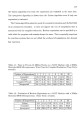
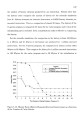
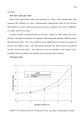
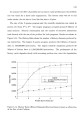
Show A specific case of the usefulness of reverse execution may be found in interaction with complex scientific applications. The application executes at a high speed until an interesting event is detected. Since there is usually a delay in the detection of the event, it is often too late to study the event in more detail. In that case, we want to return the application to a state before the event. Without reverse execution, the entire run must be repeated. Human-computer interaction without reverse execution is like a keyboard without a backspace. Measurements show that the execution of one million instructions produces around 30 Kbytes of history. A 50 MIPS processor would generate 1.5 Mbytes of history per second. The history of ten seconds of execution occupies 15 Mbytes of memory. The history of 100 seconds of execution can be saved on a 150 Mbytes of disk space. This amount of history is more than sufficient to provide a generic undo for erroneous user commands or to implement a generalized undo operation. 40 Percentage of Running Time Figure 3.3. The Prediction of Termination Time for 12 Queens |