| OCR Text |
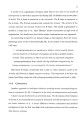
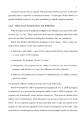
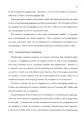
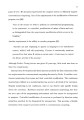
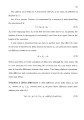
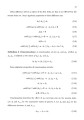
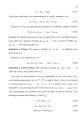
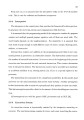
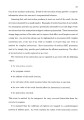
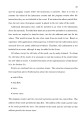
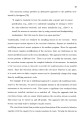
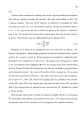
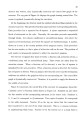
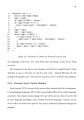
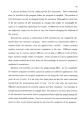
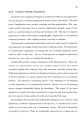
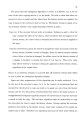
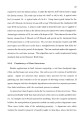
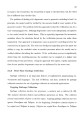
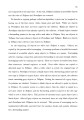
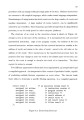
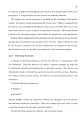
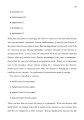
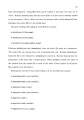
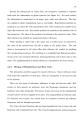
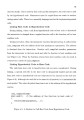
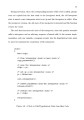
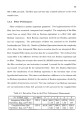
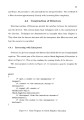
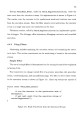
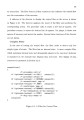
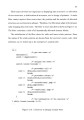
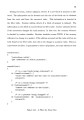
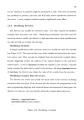
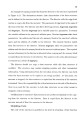
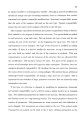
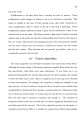
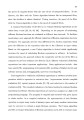
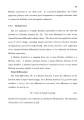
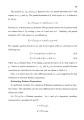
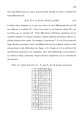
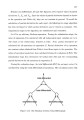
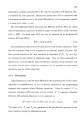
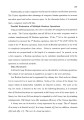
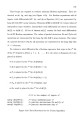
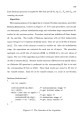
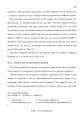
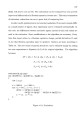
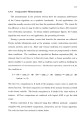
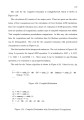
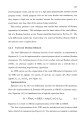
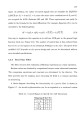
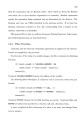
Show 18 Ai - Ai+i - A i+\. (2.17) Under these definitions, the concatenation of Ai and A* is equal to Ai+\: A i = A i+i - Ai => A i+i = Ai Ai (2.18) Equation 2.18 can be generalized by induction to an arbitrary number of deltas: Equation 2.19 shows that process A can be represented by two equivalent descriptions, either by a sequence of states Ao, A\, A 2, • • • or by a sequence of deltas Aq, A i , A 2, • • • and beginning state A q. De finition 4 (T ra ce ) The sequence of deltas A q, A i , A 2, ••• is called the trace o f the process A. Equation 2.19 is valid also for A -1 : D e finition 5 (Inverse Trace) The sequence of deltas A ^ , A 2 1, A 3 1, •••, is called the inverse trace of the process A. Any state Ai of the process A can be transformed to any other state Aj by by concatenating A,-, A,-+i, •••, A j_ i to Ai. If j is smaller than «, then Aj is obtained by concatenating the part of the inverse trace Aj-1, A^_\, • • •, A j^ x to Ai. The concatenation of the inverse trace gives the effect of reverse execution. The following relations hold between A,- and A ^ : A{ Ai Ai+i Aj^-2 ■ * * Ai+n A{+n+\. (2.19) ■t-n-!• (2.20) concatenating appropriate A or A 1. If j is greater than i, then Aj is obtained Ai Ai A -+\ = Ai (2.21) Ai+1 A Ai - Ai+i. addr(Ai) = addr(A~+1). (2.22) (2.23) |