| OCR Text |
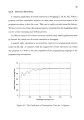
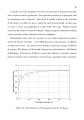
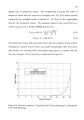
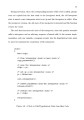
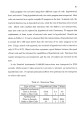
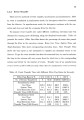
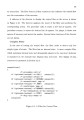
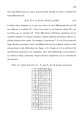
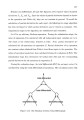
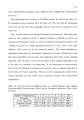
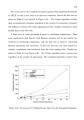
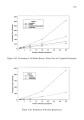
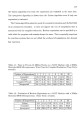
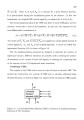
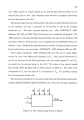
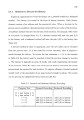
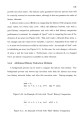
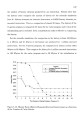
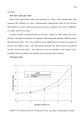
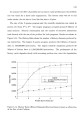
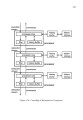
Show The worst case for the compiled evaluation happens when expression D evaluates to TRUE. In such a case, there is no short cut evaluation. Results for this case are shown in Table 4.7 and plotted in Figure 4.25. The Unison algorithm is faster than an interpreted evaluation regardless of the number of expressions evaluated. The difference between the Unison algorithm and the compiled evaluation is much smaller than in the best case. A large part of event processing is spent in calculating comparisons. Since some applications deal directly with Boolean variables and do not involve the overhead of calculating comparisons, only the time that is spent in calculating Boolean expressions was calculated. To find out this time, the time required to evaluate comparisons was subtracted from the total running time. Results are shown in Table 4.8 and Figure 4.26. The Unison algorithm takes constant time regardless of the number of expressions. The compiled algorithm is slower than Number of Boolean Expressions Figure 4.24. Processing of 10 Million Events, Best Case for Compiled Evaluation |