| OCR Text |
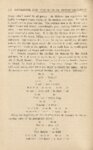
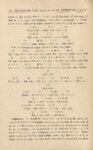
Show RHYTHM 117 jump from long waves to the short ones. The wave lengths are in an ever increasing or decreasing series. There seems also to be a rela tionship between the hopeless, the helpless emotions and the sequence of-to, ta ta, te te te, ti ti ti ti-while the sequence of-ti ti ti ti, te te te, ta ta, to-would appear in courageous, joyful, happy emotions. How to Teach Rhythm. One may be able to read lyrics well without ever knowing either prosody or wave rhythms. That is because the reader is in tune with the poet. On the other hand, many may be helped by the suggestions in this chapter. But this wave rhythm may and will make the lyric mechanical, unless emo tion motivates the reading, which is always indicated in oral ex pression. Then also, it would appear that the wave pattern of a lyric is manifested only through the interpretation, but not that the interpretation depends upon the wave pattern. So there may be as many variations in in the wave interpretation, by the patterns, as there may be differences different readers. the The better This one reads lyric, perfect patterns. pattern analysis should be made not the end, but a help in teaching a class to read lyrics. The first of such a study may be advanta geously spent in such rhythmic wave analysis in order to enable the student to get away from the hobby-horse, sing-song manner that most pupils bring to poetry. We have found such study very if followed the oral interpretation of the lyric after helpful always by it is analyzed. When the wave analysis has been studied for a few weeks, the attention of the class can be given entirely to the in terpretation of lyrics, and. the mechanics forgotten. Then also, if the teacher can rightly interpret the wave rhythms, the read ing becomes from the first less mechanical, and more spontaneous. Abandon. Lyrical reading demands more abandon than any other division of literary interpretation. The heart must be "worn on the sleeve"-not "for daws to peck at"-but that others may be moved and inspired. I t must have the same abandon as true dancing and singing demand. John Stuart Mill .says, "Poetry is feeling conjessing itself to' itself in moments o] solitude, and em bodying itself in symbols which are nearest possible representa tives oi feeling pouring itself out to' other minds, courting their sympathy, Dr endeavoring to' influence their belief, Dr moue them a more wave wave |