| OCR Text |
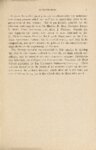
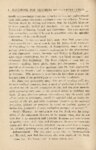
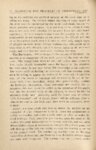
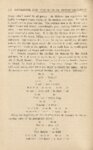
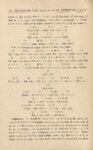
Show 112 HANDBOOK FOR TEACHERS OF INTERPRETATION theory which would fit all poetry-the Hebrew line repetition, the highly developed classic lyrics, or the modern vers libre. In fact it is found even in prose rhythm. The metrical foot is the design upon which longer and shorter wave-lengths play, making rhythmic pat terns. These wave-lengths have more or fewer beats, like the throb wave-length of a pulse beat. It is like the rhythm of the lengthen ing waves of the ocean, falling upon the shore- in sequences of three and seven. One wonders if it is not the rhythm underlying all wave motion, the rhythm upon which the universe is made, and exists; perhaps the "music of the spheres," if we could hear it, would quire in such sequence of longer and shorter wave-lengths. Mr. Duncan measured his rhythm for dancing by the Greek syllables, "ti ti ti ti,-te te te,-ta ta,-to" (pronounced te te te te, -ta ta ta,-ta ta,-to). These beats make the wave lengths shorter or longer, by their pulsations. They may change the pattern with each stanza, even when the meter is exactly the same. As for the example, take the perfect metrical plot of Poe's "Eldorado": ta ta to gaily .I bedight ta ta A gal ti ti ti ti In sun / to / lant knight/ te te te shine and / ta ta / / neyed long ta ta to Singing / In search to ow to Had jour ti ti ti ti ta ta in shad a song / te te te ta ta to of EI dora do / / / / (Note the beginning of the receding wave in contrast to the ad vancing wave of the paragraph above.) to ta ta But he / grew old ta 'ta to This ti ti ti ti knight / so bold te te te And o'er / his heart ta ta to / a shad / ow |