| OCR Text |
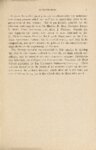
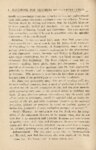
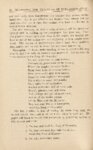
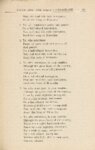
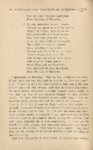
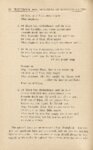
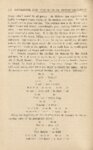
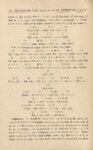
Show HANDBOOK FOR TEACHERS OF INTERPRETATION 114 ing or meaning. You should have noted by this time that the rhythmic wave pattern is varied because of the meaning, not the pattern fixed by the rules of prosody which would interfere with the meaning. The length and beat of the metric foot varies also instead of being always the same length as in sing-song reading or scanning. With the voice the reader should dance with a rhythmi cal pattern for music, as truly as a good dancer tells her story with body and feet to the musical patterns of the composers. Notice in the following poem the cradle rock-out and back which is always to be found in the lullaby because the poet has that cradle pattern singing within him: ti ti ti ti ta ta te te te / en, Blyn Wynk / ta ta te te te Sailed off to ken and Nod / one night to / in a wood / en shoe . ti ti ti ti Sailed on Into "Where / / you go The old ' / to of dew ta ta te te te / / do you wish?" to / moon asked / of the three te te te "We have come / to te te te That live ti ti ti ti to ing, and what ta ta ti ti ti ti Nets ta ta a sea te te te are to / a riv / er of crys / tal light te te te ti ti ti ti ta ta te te te ta ta / ring-fish ta ta to / in this beau / tiful te te te / of sil to fish / for the her ta ta sea; to / ver and 'gold / have we." te te te Said Wyn / ken ta ta Blyn I ken to And Nod The refrain read with this wave, culminating into sleep. rhythm is exactly the sleepy nod The other paragraphs of Field's |