| OCR Text |
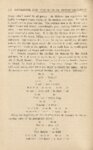
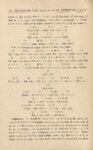
Show 106 HANDBOOK FOR TEACHERS OF INTERPRETATION 'Art thou the king?' The passion of his woe Burst from him in resistless overflow, And, lifting high his forehead he would fling The haughty answer back, 'I am, I am the king.' " scarcely more quoted words than in the other ex ample. And yet how important they are! Why, the whole message of this allegory depends on how you read the words of the Angel and how you interpret King Robert's answer. Also, see how the mood of the indirect discourse is svyept right along in strong harmony with, and in the same value as, the direct discourse. So much in sympathy with the. few quoted words is the indirect lan guage that the body almost impersonates (an impersonation in sympathy not in reality) as it does on the quoted words. The Refrain. The study of poems with a refrain can well be used for development under this step. Pupils are so prone to read in the same way all things that look alike. The refrains, which The are the key notes of such poems, are very different in meaning. refrain is illumined, or modified by the paragraph which precedes it and the two should be read in the same value. Shake the pupil at once out of accepting the idea that words that look alike neces sarily have the same meaning. N ever allow yourself or your pupils Note how exactly the reading to take a printed page for granted. can tell the story of the paragraph, and then see how different the refrains become when read in the light of that which preceded it. Interruptions. Difficulty is found in expressing an idea which is suddenly broken, the value thereby being suddenly changed. Such things are apt to be real jumping off places. They are carried right along in the same value, without even being noticed. The only way to read well such breaks is actually to finish the sentence in your mind, (never get so far advanced that you are too lazy to do this), piece it out for the author, and never let the conception of the break come into your mind until the moment you are at it; then just as suddenly let the new thought all at once pop into your mind. In other words, do what we all do when we extemporize and interrupt our thought. You will find plenty of such examples, as in Browning's "Incident of the French Camp": Here we have |