| OCR Text |
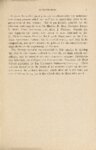
Show SOMEWHAT HISTORICAL 3 every school and master, but added more than he took. He was quick to discern the character of every occasion, and able to bring out its greatest possibilities. Longinus says, "One might as soon face with steady eyes a descending thunder-bolt as to oppose a calm front to the storm of passion which Demosthenes can arouse." Aristotle collected the teachings and writings of the Rome. Greek orators, from Empedocles, "The Father of Speech," to De mosthenes; Quintilian added the writings and practice of the Roman masters of speech to the body of Greek literature and practice. The writings of Aristotle, Cicero, and Quintilian are today accepted as basic standards for public address. But, although the Greeksrecited Homer and their classics; although the Roman youths were tr<l:ined to interpret Virgil and the Latin writers; although the glory of the theatre in both Athens and Rome must have necessitated the train ing of actors, yet little is left us of the methods which were used to train their .actors, readers, and declaimers. England. After the rise and decline of pulpit oratory, with the spread of Christianity, and the artificial, overstrained, grotesque eloquence of the Middle Ages, we find oratory reviving and flourish ing from the time of the reformation, and culminating in the genius of the parliamentary orators, the Pitts, Burke, Sheridan, Fox, and Mansfield. Interpretation, during the Middle Ages, was confined to the miracle drama, a very crude affair from the standpoint of acting. The most sacred events of Christian history, were presented in the rough rustic spirit of the time. The ,art of interpretation must have been better understood in the Elizabethan age. Shakespeare has left us in Anthony's funeral ora tion, a fine example of effective speech, while he has demonstrated, by antithesis, the faults of a poor, ineffective speech, in the address of well-meaning but impractical Brutus. Shakespeare was his own director, and has shown his ideals and knowledge of good interpre tation, by su.ch succinct, comprehensive' bits as Hamlet's advice to the players. With such ideals and with such a director, his actors should have been well trained, although nothing' of his modus operandi has come down to us. In. the eighteenth century-a-the age of Garrick-John Walker, Thomas Sheridan, father of Richard Brinsley, Steele, and others- |